Mosquito Control in Bay Area
Mosquito Control for Bay Area homes - local conditions, a clear process, and one call to get it started.
Homes here share more than a ZIP: they share soil, water, weather and the pests all three produce.
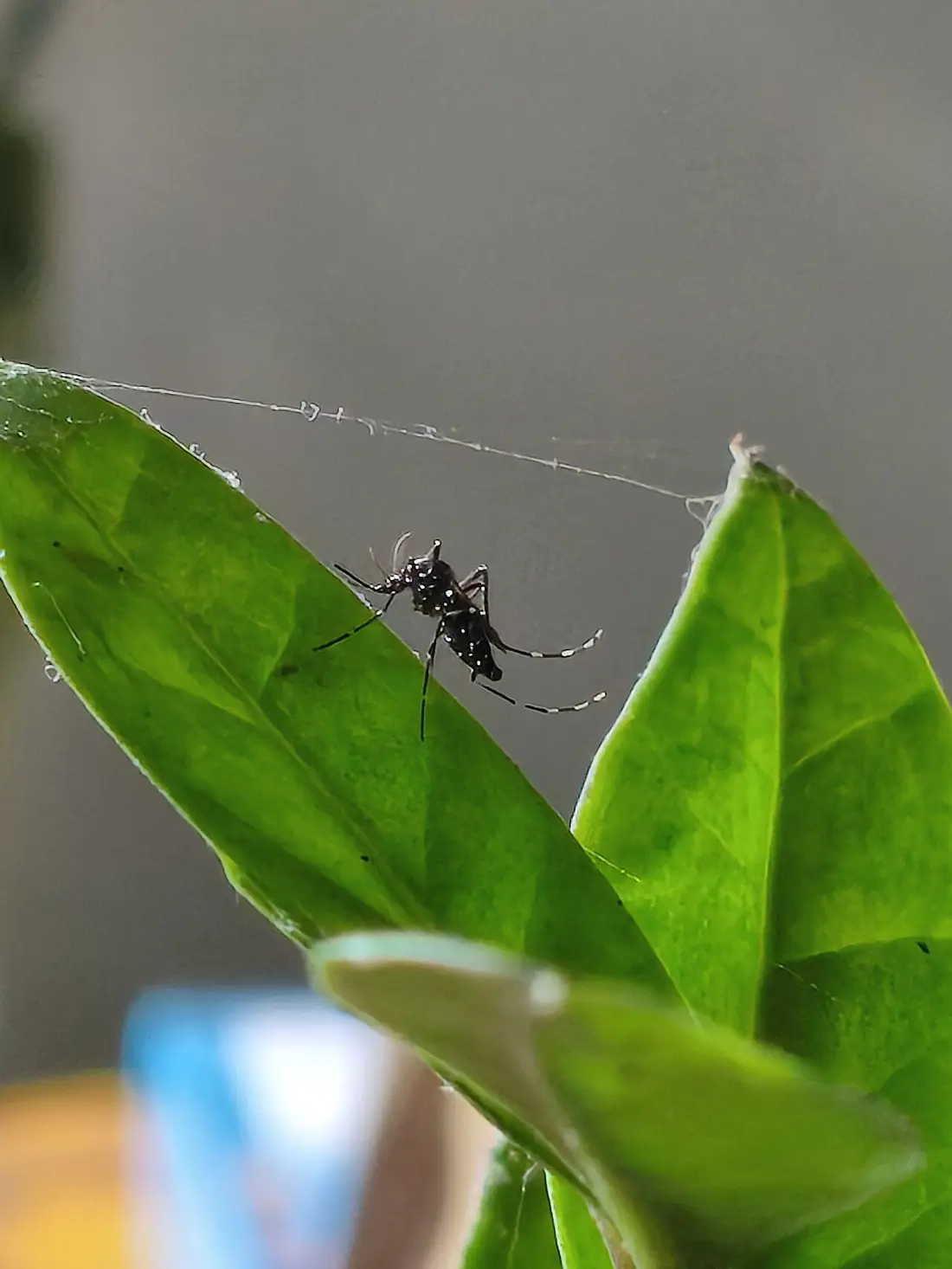
Mosquitoes in Bay Area come in shifts. The salt-marsh species hatch off the flats and marshes after every high tide and tropical rain and can darken a yard miles from the water; the day-biting Aedes lives its whole life within a few hundred feet of your patio, breeding in your containers.
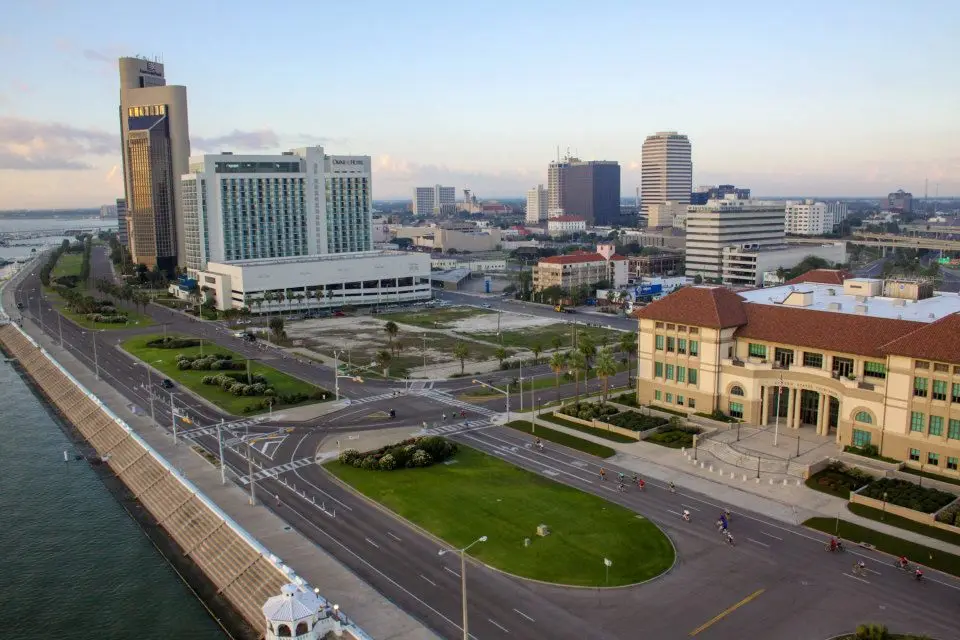
The Bay Area district wraps the SPID corridor around La Palmera and Moore Plaza - the city's main retail spine, ringed by 1970s-to-90s subdivisions between Alameda and the Oso.
No two Corpus Christi neighborhoods run the same pest pattern. Single-family subdivisions from the 1970s-90s with attached garages, block fencing and heavy retail and restaurant frontage nearby - and that shapes the pest work directly. Restaurant and retail corridors keep rodent and roach pressure high, and the subdivisions run the standard south-side list: fire ants after rain, roof rats in the fences and trees, wasps under the eaves every summer. For mosquito control in Bay Area, a yard-level source walk here finds breeding spots a drive-by never would.
Signs Bay Area Homes Need Mosquito Control
Clouds at dusk near the coast
Waves of biting mosquitoes arriving on still evenings, days after a high tide or heavy rain, are salt-marsh broods on the move.
Mosquitoes indoors
Mosquitoes in the house point to torn screens and a breeding source close to the structure.
Bites after yard work
Getting eaten while gardening in long sleeves means adults are resting in your foliage, not just passing through.
Why This Problem Runs in Bay Area
The local Culex species breed in drains, ditches and organically rich standing water, bite at night, and are the mosquitoes Texas health officials watch for West Nile virus. Nueces County runs surveillance and truck spraying on the public side; the yard side is the homeowner's.
Restaurant and retail corridors keep rodent and roach pressure high, and the subdivisions run the standard south-side list: fire ants after rain, roof rats in the fences and trees, wasps under the eaves every summer.
In Bay Area, that plays out street by street - and the weekly container walk on the homeowner's side carries half the result. The Bay Area file, in one line: know the water, know the gaps, and the pest list shortens itself.
Fall's second wave arrives with the late-season storms. Flooded low ground sends ants floating, roaches climbing and rodents looking for high, dry harborage - garages, attics and wall voids. As the fronts cool the nights, spiders move to sheltered walls and window frames and stored summer gear carries hitchhikers in both directions. The fall habit that pays most is the fifteen-minute walk - vents, gaps, woodpiles, stored boxes - done before the first norther rather than after the first scratching sound.
What a good visit looks like: the technician arrives with the right equipment for the pest you described, inspects before treating, and treats the source - the colony, the nest, the void, the entry - rather than the symptom you happened to see. Anything that needs a follow-up is scheduled before they leave.
Right now the calendar favors the pests that breed fastest; in Bay Area that means the blocks with standing water and unsealed garages carry the heaviest load.
Homeowners in Bay Area ask what they should do before the visit. The answer is access, not cleaning: clear the sink cabinets, the attic hatch and the garage corners, and secure the pets. The evidence should stay exactly where it is.
How Mosquito Control Works in Bay Area
The main Mosquito Control page carries the complete method for this service, step by step. What changes in Bay Area is the map it runs on: the water and entries around South Padre Island Drive and La Palmera, the construction era of the blocks involved, and the pressure the neighborhood's edges keep supplying between visits. The service overview is at the Mosquito Control page.
The Bay Area Angle
Ask anyone who services Bay Area and they will tell you the pattern repeats: pressure builds at the edges, then follows water and shelter toward the houses. Construction here decides the entry map. Single-family subdivisions from the 1970s-90s with attached garages, block fencing and heavy retail and restaurant frontage nearby.
The pest side of the equation is just as local. Restaurant and retail corridors keep rodent and roach pressure high, and the subdivisions run the standard south-side list: fire ants after rain, roof rats in the fences and trees, wasps under the eaves every summer. A proper mosquito control call in Bay Area therefore starts with reading - the water, the entries, the evidence - and only then moves to treatment.
Bay Area does not sit alone on the map. It trades pest pressure daily with South Side, Lamar Park and Saratoga Area - the same creeks, corridors and commutes connect them, and the same seasonal pushes move through all of them within the same few weeks. The borders on the map are postal, not biological - the pests commute freely, so the control has to think in neighborhoods, not addresses.
On the route map, Bay Area sits in the corpus christi district group, ZIP 78411 - close enough to South Side, Lamar Park that crews work them on the same runs. That loop is why a single call on this route often answers the neighbors' unasked questions too: the pattern rarely belongs to one house. For mosquito control, that grouping matters - pressure, timing and treatment windows are read at the route level, not guessed address by address.
On paper Bay Area is ZIP 78411; on the ground it is the blocks around South Padre Island Drive and La Palmera, shading into South Side, Lamar Park, Saratoga Area, Midtown, with the habits of a corpus christi district neighborhood - its own attic profile, its own irrigation rhythm, its own repeat addresses. That is the level this work is planned at.
Prevention That Helps in Bay Area
- Keep gutters and French drains flowing; standing drain water is a brood factory.
- Dump and scrub every container weekly - saucers, buckets, toys, tarps, pet bowls.
- Repair torn screens - day-biters hunt indoors too.
Single-family subdivisions from the 1970s-90s with attached garages, block fencing and heavy retail and restaurant frontage nearby.
Keep Exploring
Mosquito Control nearby:
- Mosquito Control in South Side
- Mosquito Control in Lamar Park
- Mosquito Control in Saratoga Area
- Mosquito Control in Midtown
More services in Bay Area:
- Termite Control in Bay Area
- Rodent Control in Bay Area
- Wasp Removal in Bay Area
- Bee Removal in Bay Area
See the full pest control page for Bay Area and the Mosquito Control overview for Corpus Christi.
Mosquito Control in Bay Area - Questions
Is yard mosquito treatment in Bay Area safe around kids and pets?
Applied to label and allowed to dry, barrier products are the standard residential program across the Gulf Coast. Your technician will give you the re-entry timing for the products used and the common-sense rules - cover the fish pond, keep the bees' forage out of the spray line.
Why are mosquitoes in Bay Area worst a week after rain?
Eggs hatch when flooded, larvae take about a week in warm water to become biting adults, and salt-marsh broods then move inland on the wind. The lag between the storm and the swarm is the biology - and why treatment timed to the rain beats treatment timed to the bites.
What should Bay Area homeowners have ready before a Mosquito Control visit?
Access and information. Clear the way to the attic hatch, the water heater, the meter boxes and both sides of the foundation, secure pets, and have the pattern written down - when it started, where it concentrates, and what changed. That five minutes of prep is worth a second visit.
Palmetto Bugs After the Rain, Scratches in the Attic or Bites in the Night?
One call connects you with a pest control professional serving Corpus Christi and the Coastal Bend - inspection, treatment, exclusion and prevention.
📞 Call Now