Mosquito Control in Robstown
Robstown is the Nueces County farm town west of Calallen - the Cotton Picker hometown, an old railroad and cotton-gin center ringed by some of the richest farm land in South Texas.
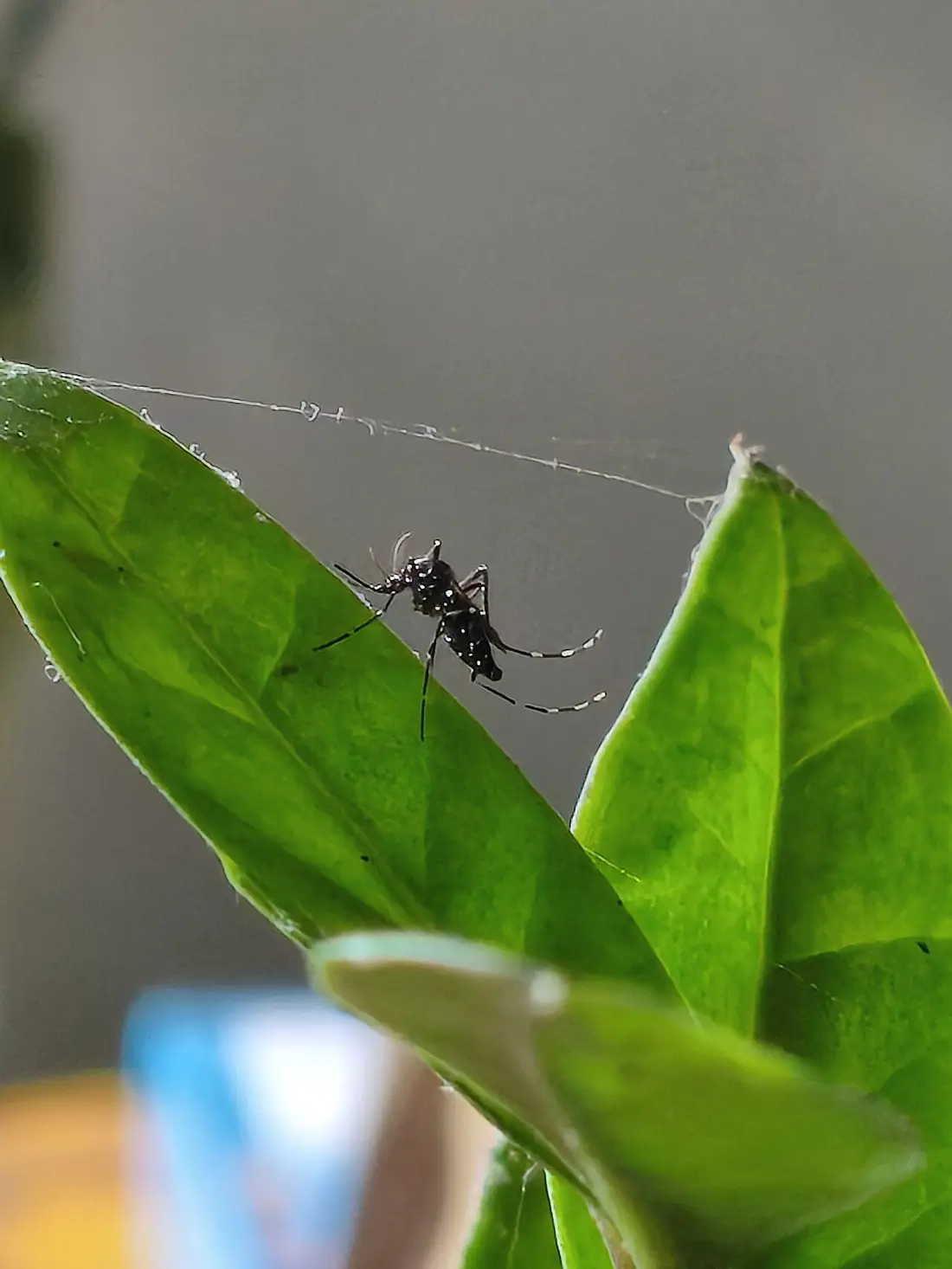
Mosquito control for Corpus Christi yards - salt-marsh broods after rain and tides, day-biting Aedes in the containers, and a source-first program that gives you the patio back.
Corpus Christi homeowners learn the pattern fast: palmetto bugs after a rain, fire ant mounds the morning after a storm, mosquitoes whenever the wind drops, and roof rats in the palms and oaks all year. Pest control here is not a one-time event; it is a rhythm matched to the Gulf Coast year.
The city itself adds pressure. Corpus Christi is the Nueces County seat and the Coastal Bend's hub, with neighborhoods that range from 1900s blocks near the bayfront to subdivisions still being framed at the brush-country edge - and every era of housing has its own pest profile, from drywood termites in old eaves to field rodents at the construction frontier.
Waves of biting mosquitoes arriving on still evenings, days after a high tide or heavy rain, are salt-marsh broods on the move.
Aggressive small black mosquitoes biting ankles in the shade at midday are Aedes - breeding within a stone's throw of where you stand.
Larvae tumbling in rain barrels, saucers, gutters and low spots confirm breeding on your own lot.
Getting eaten while gardening in long sleeves means adults are resting in your foliage, not just passing through.
Mosquitoes in the house point to torn screens and a breeding source close to the structure.
One neglected pool or pond in the neighborhood out-breeds a street of tidy yards - a district-level problem worth reporting.
Salt-marsh mosquitoes - Aedes taeniorhynchus and its relatives - lay eggs on wet marsh soil that hatch when tides or rain flood them. A single flooding can release a brood that flies miles on the wind, which is why a yard nowhere near standing water can be unlivable a week after a storm tide.
Aedes aegypti, the day-biter, is the opposite: a homebody that breeds in bottle caps, saucers, buckets, toys, tarps and clogged gutters within a few hundred feet of where it bites. Its eggs survive drying for months and hatch on refill - which is why dumping without scrubbing fails.
The local Culex species breed in drains, ditches and organically rich standing water, bite at night, and are the mosquitoes Texas health officials watch for West Nile virus. Nueces County runs surveillance and truck spraying on the public side; the yard side is the homeowner's.
Spring on the Gulf Coast is termite season first: warm nights after rain send subterranean swarmers into the air, fire ant colonies push up fresh mounds, and wasp queens start thumb-sized nests under the eaves. Mosquito season starts with the first standing water. It is the inspection season - the month to find problems while they are small.
Summer is peak pest season on the Coastal Bend. Salt-marsh mosquitoes hatch by the millions after high tides and rains, palmetto bugs ride the drains into ground floors, German roaches breed at top speed in hot kitchens, and fire ants forage around the clock. Exterior service in summer is what holds the line.
Fall keeps the pressure on and adds the hurricane-season tail: late storms drop the year's heaviest rain, flooding pushes rodents, ants and wildlife out of low ground and into structures, and the first cool fronts send roof rats shopping for attic space. Fall is sealing season - the work done before the holidays is the work that holds through winter.
Corpus Christi mosquito control runs on two tracks that homeowners often confuse. The county manages the public system - marsh, basins, neglected pools, public drainage - with surveillance setting the treatment map. The homeowner manages the private system: the containers, drains and foliage within the property line where the biting actually happens. Neither track substitutes for the other.
The Aedes era changed what 'mosquito problem' means here. The old dusk-biter model let people defend an evening; a day-biting, container-breeding mosquito that lives its whole life within a few hundred feet makes the yard itself the battleground. Homes that win that battleground - weekly source control, larvicide discipline, barrier on the resting foliage, screens and fans - get their patios back in a way no fogging schedule ever delivered.
Choose the program that starts at your water, not at its sprayer. A provider who lists your breeding sources, assigns each one a fix, and times visits to the brood calendar is selling control; anyone selling only a fog is selling an evening.
The Coastal Bend rewards households that think in rhythms rather than emergencies. Every pest on this page runs a calendar - swarm season, brood cycles, storm season, the fall move indoors - and a service rhythm set against those calendars intercepts problems at their smallest, earliest moment. The alternative is the emergency pattern: nothing for a year, then a colony, a colony-sized bill and a hard month. Same house, same pests, same total attention - the rhythm simply spends it early, in small amounts, on your schedule instead of the pest's.
Corpus Christi sits on the western Gulf of Mexico where the bay meets the brush country, and its climate writes the pest calendar: long, hot, humid summers, winters so mild that most pests never fully stop, and rain that arrives in tropical downpours instead of gentle weeks. Nothing here gets a killing freeze most years, so pest populations build on each other season after season.
Water is the engine, and this city runs on it. Corpus Christi Bay, Oso Creek, the Nueces River, the Laguna Madre and thousands of irrigated lawns keep moisture in every neighborhood, and where there is constant water and constant warmth there are constant pests - mosquitoes off every low spot, roaches in every warm drain, termites in every damp foundation line.
The visit starts with every standing-water source on the lot - containers, drains, gutters, low spots, features - listed and assigned: dump, drain, treat or fix.
Water that cannot be drained - fountains, troughs, rain barrels, ornamental ponds - gets larvicide on a calendar, so broods die before they fly.
A residual treatment on the shaded foliage, fences and under-deck spaces where adult mosquitoes rest cuts the biting population in the yard itself.
Visits and your own weekly container walk run on the brood calendar - after rains and tides, not after the bites pile up.
The county handles the marsh; these are the yard-side habits that handle the rest. Weekly, they take less time than one bitten evening costs.
The communities around Corpus Christi share its pest calendar - with their own twists.
Robstown is the Nueces County farm town west of Calallen - the Cotton Picker hometown, an old railroad and cotton-gin center ringed by some of the richest farm land in South Texas.
Gregory is the small San Patricio County town between Portland and Ingleside, sitting above the bay's north shore next to some of the Gulf Coast's biggest industrial plants.
Portland is the fast-growing bayfront city across the harbor from downtown - subdivisions and schools on the bluff above Corpus Christi Bay, with Sunset Lake Park on its shore and wide-open views across the bay.
Ingleside is the San Patricio County bay town under the live oaks - a small-city mix of older neighborhoods, new subdivisions and plant-corridor growth between Portland and Aransas Pass.
Across the bayfront and the north side - Downtown Corpus Christi, North Beach, Uptown Corpus Christi, Midtown, Bayside and Central Corpus Christi, Westside, Bay Area, Lamar Park, South Side - the housing runs from historic bayfront blocks to established family neighborhoods, and mosquito control follows the construction: older wood, mature palms and creek-corridor greenery in the established districts, marsh-edge pressure toward the bay.
The south and west of the city - Saratoga Area, King's Crossing, Southeast Corpus Christi, London Area, Flour Bluff, Padre Island and Mustang Island, Calallen, Annaville, Tuloso-Midway, Northwest Corpus Christi - hold the city's fastest-growing subdivisions, its apartment corridors and the island communities, which together make this the steadiest mosquito control territory in Corpus Christi.
Beyond the city line, the same work runs in Robstown, Gregory, Portland, Ingleside, Aransas Pass, Rockport, Fulton - Coastal Bend communities wrapped in marsh, brush country and working waterfront, where the water and the weather drive pest pressure as much as the housing does. Every one of these area pages carries the local detail for mosquito control in that community.
Every area we serve has its own Mosquito Control page with local detail.
 Downtown Corpus Christi
 North Beach
 Uptown Corpus Christi
 Midtown
 Bayside
 Central Corpus Christi
 Westside
 Bay Area
Mosquito Control runs across the whole service map: the bayfront districts of Downtown Corpus Christi, North Beach, Uptown and Bayside; Midtown, Lamar Park and the Bay Area; the South Side, Saratoga and Kings Crossing corridors; Flour Bluff, Padre Island and Mustang Island; Calallen, Annaville, Tuloso-Midway and the Northwest; and the Coastal Bend communities of Robstown, Gregory, Portland, Ingleside, Aransas Pass, Rockport and Fulton. One call covers all of it - the local pages above carry the detail for each. If your street is not named here, call anyway: routes grow with demand, and most Coastal Bend addresses are already within reach of a scheduled run.
Rain hatches dormant marsh eggs and fills every container in the yard; biting peaks about a week after the storm. Run the 7-day brood plan: tip and toss on a schedule, larvicide what cannot drain, treat the resting foliage.
Read the GuideDifferent termites sign their work differently: mud for subterraneans, pellets for drywoods, blisters and carton for Formosans. Read sign by species and freshness, photograph and preserve it, and let the map - not the scare - set the response.
Read the GuidePalmetto bug floods after rain, in drains and at porch lights all summer. Keep the population outside: control the yard harborage, screen the crossings, service the drains.
Read the GuideThe county runs vector control - surveillance trapping, larviciding of public water and truck-mounted spraying when counts and virus activity call for it. That system manages public breeding; the containers and foliage inside your fence are the private half of the problem.
Effectively March through November, with peaks after the late-spring and fall rain events and whenever storm tides flood the marsh. Warm winters shorten the off-season to a few quiet weeks.
Installed misting systems and regular barrier programs both work when maintained - the failures are calendar failures: empty tanks, skipped cycles, and yards whose container breeding out-produces the treatment. Source discipline is what makes any of them look good.
Carbon dioxide output, body heat, sweat chemistry and dark clothing all raise your profile, and Aedes preferentially bite ankles in shade. Repellent on skin and a fan at the gathering are the personal half of control.
Eggs hatch when flooded, larvae take about a week in warm water to become biting adults, and salt-marsh broods then move inland on the wind. The lag between the storm and the swarm is the biology - and why treatment timed to the rain beats treatment timed to the bites.
It can cut them hard at the yard level - barrier treatment kills the adults that arrive and rest in your foliage - but no yard program stops a marsh brood at the source; that is the county's aerial and truck work. The honest promise is a usable yard, not a mosquito-free coastline.
Almost certainly Aedes aegypti - small, black, ankle-focused, active in shade at midday. It breeds in containers within a few hundred feet, so your yard's water discipline decides its population. It is also the species Texas watches for dengue and Zika transmission elsewhere in its range.
Applied to label and allowed to dry, barrier products are the standard residential program across the Gulf Coast. Your technician will give you the re-entry timing for the products used and the common-sense rules - cover the fish pond, keep the bees' forage out of the spray line.
One call connects you with a pest control professional serving Corpus Christi and the Coastal Bend - inspection, treatment, exclusion and prevention.
📞 Call Now