Rodent Control in Robstown
Robstown is the Nueces County farm town west of Calallen - the Cotton Picker hometown, an old railroad and cotton-gin center ringed by some of the richest farm land in South Texas.
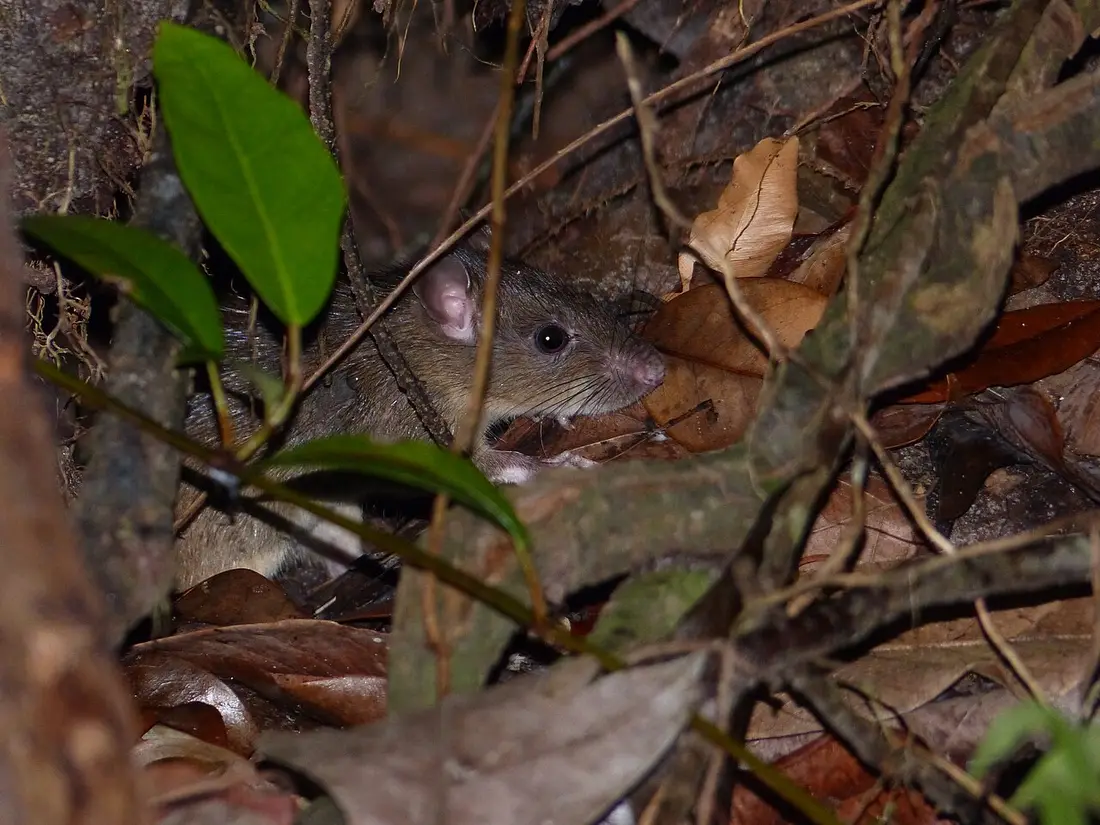
Rodent control for Corpus Christi homes - roof rats in the palms and oaks, Norway rats near the water and restaurants, and exclusion that makes removal permanent.
Corpus Christi homeowners learn the pattern fast: palmetto bugs after a rain, fire ant mounds the morning after a storm, mosquitoes whenever the wind drops, and roof rats in the palms and oaks all year. Pest control here is not a one-time event; it is a rhythm matched to the Gulf Coast year.
The city itself adds pressure. Corpus Christi is the Nueces County seat and the Coastal Bend's hub, with neighborhoods that range from 1900s blocks near the bayfront to subdivisions still being framed at the brush-country edge - and every era of housing has its own pest profile, from drywood termites in old eaves to field rodents at the construction frontier.
Roof rats are nocturnal and loud - scampering in the attic and walls between dusk and dawn is the classic first report.
Capsule-shaped droppings scattered along beams, pipes and stored items map the nightly routes.
Dark rub marks where rat bodies polish the same travel lines night after night.
Rodents chew constantly - damaged wiring is a fire hazard, chewed pipe a flood waiting, and both escalate the job.
Roof rats hollow oranges and grapefruit on the branch and raid fruit trees nightly in the older neighborhoods.
Shredded material nests in attic insulation, and rat activity pouring out of palm crowns at dusk, mark established populations.
Roof rats live high: palm crowns, oak canopies, ivy, attic insulation and the roofline itself. They travel wires and branches and need only a gap the size of a thumb at a vent, eave or pipe to move in. A palm frond touching the roof is a bridge with a welcome mat.
Norway rats live low: burrows along harbor bulkheads, creek banks, restaurant dumpsters and older sewer lines. They are the rat of the working waterfront and the commercial corridor, and they enter at ground level - broken vents, slab gaps, open drains.
Food decides the map. Citrus, pet food, bird seed, unsealed garbage and restaurant grease feed the populations that the shelter houses. Corpus Christi's mild winters let both species breed nearly year-round, so a small fall population is a large spring one.
A Corpus Christi winter is a pause, not a reset. A hard freeze is a rare guest, so roaches keep breeding in heated buildings, rodents that got in stay in, and garage black widows stay active. Winter is project season: exclusion, moisture fixes, termite inspections and the prep that sets up spring.
Fall keeps the pressure on and adds the hurricane-season tail: late storms drop the year's heaviest rain, flooding pushes rodents, ants and wildlife out of low ground and into structures, and the first cool fronts send roof rats shopping for attic space. Fall is sealing season - the work done before the holidays is the work that holds through winter.
Spring on the Gulf Coast is termite season first: warm nights after rain send subterranean swarmers into the air, fire ant colonies push up fresh mounds, and wasp queens start thumb-sized nests under the eaves. Mosquito season starts with the first standing water. It is the inspection season - the month to find problems while they are small.
Rodent control in Corpus Christi is a fencing problem disguised as an animal problem. The city offers roof rats everything: palms and oaks for highways and housing, citrus in the older yards, creeks and harbor corridors for reservoir populations, and a storm calendar that periodically floods the low ground and evicts every rat in it into the nearest attic. Trapping addresses the individuals; exclusion addresses the system - and only the system stays addressed.
The craft is in the details of the seal. Rodents test edges with their teeth; vents need hardware cloth, not window screen; gaps need metal and backer, not foam alone; and the palm fronds and branches that bridge to the roof need an air gap that pruning crews must maintain. A rodent job is finished when the house is a harder target than the neighbor's - unromantic, but that is how pressure redistributes.
Choose the service that talks about your roofline more than its traps. Removal is the visible week; exclusion is the invisible five years - and the written exclusion list is how you know you bought the second one.
What the rhythm looks like in practice is unglamorous: visits that arrive before the season they protect against, notes that compare this inspection to the last one, small seals and small corrections made while they are still small. Corpus Christi homes on that rhythm rarely meet the dramatic version of any pest on this page. They meet the early version - a tube, a trail, a single wasp paper umbrella in April - and the early version is always the smaller, unremarkable one.
Corpus Christi sits on the western Gulf of Mexico where the bay meets the brush country, and its climate writes the pest calendar: long, hot, humid summers, winters so mild that most pests never fully stop, and rain that arrives in tropical downpours instead of gentle weeks. Nothing here gets a killing freeze most years, so pest populations build on each other season after season.
Water is the engine, and this city runs on it. Corpus Christi Bay, Oso Creek, the Nueces River, the Laguna Madre and thousands of irrigated lawns keep moisture in every neighborhood, and where there is constant water and constant warmth there are constant pests - mosquitoes off every low spot, roaches in every warm drain, termites in every damp foundation line.
Inspection maps droppings, rub marks, nests and gnawing - and identifies which rat you have, because roof and Norway rats are different jobs.
Vents, eaves, pipe penetrations, roof joints and ground-level gaps go on a written exclusion list.
Trapping on the mapped runs removes the current population - checked and serviced on a schedule until the monitors stay quiet.
Exclusion closes the logged entries with metal, hardware cloth and backer - the part of the job still working five years later.
Trapping and sealing close the current case. These habits decide whether the neighborhood's rats shop your roofline next - the canopy gap and the food map are the whole game.
The communities around Corpus Christi share its pest calendar - with their own twists.
Robstown is the Nueces County farm town west of Calallen - the Cotton Picker hometown, an old railroad and cotton-gin center ringed by some of the richest farm land in South Texas.
Gregory is the small San Patricio County town between Portland and Ingleside, sitting above the bay's north shore next to some of the Gulf Coast's biggest industrial plants.
Portland is the fast-growing bayfront city across the harbor from downtown - subdivisions and schools on the bluff above Corpus Christi Bay, with Sunset Lake Park on its shore and wide-open views across the bay.
Ingleside is the San Patricio County bay town under the live oaks - a small-city mix of older neighborhoods, new subdivisions and plant-corridor growth between Portland and Aransas Pass.
Across the bayfront and the north side - Downtown Corpus Christi, North Beach, Uptown Corpus Christi, Midtown, Bayside and Central Corpus Christi, Westside, Bay Area, Lamar Park, South Side - the housing runs from historic bayfront blocks to established family neighborhoods, and rodent control follows the construction: older wood, mature palms and creek-corridor greenery in the established districts, marsh-edge pressure toward the bay.
The south and west of the city - Saratoga Area, King's Crossing, Southeast Corpus Christi, London Area, Flour Bluff, Padre Island and Mustang Island, Calallen, Annaville, Tuloso-Midway, Northwest Corpus Christi - hold the city's fastest-growing subdivisions, its apartment corridors and the island communities, which together make this the steadiest rodent control territory in Corpus Christi.
Beyond the city line, the same work runs in Robstown, Gregory, Portland, Ingleside, Aransas Pass, Rockport, Fulton - Coastal Bend communities wrapped in marsh, brush country and working waterfront, where the water and the weather drive pest pressure as much as the housing does. Every one of these area pages carries the local detail for rodent control in that community.
Every area we serve has its own Rodent Control page with local detail.
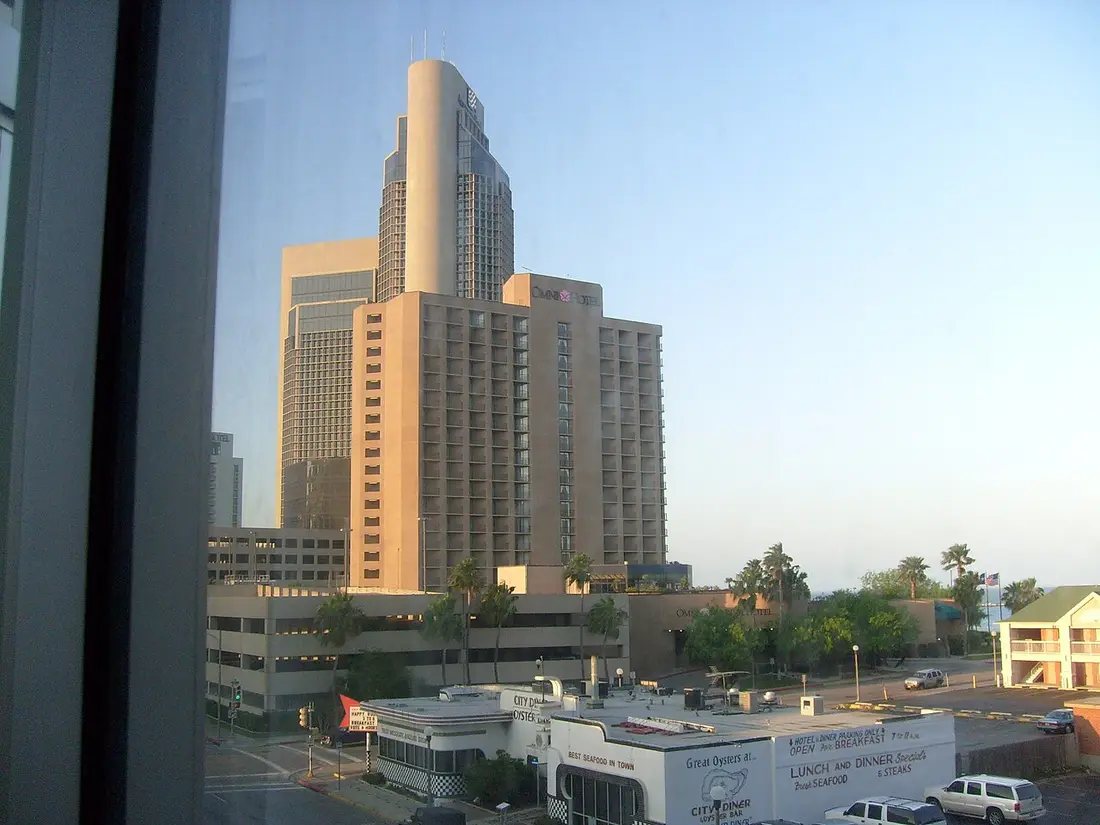 Downtown Corpus Christi
 North Beach
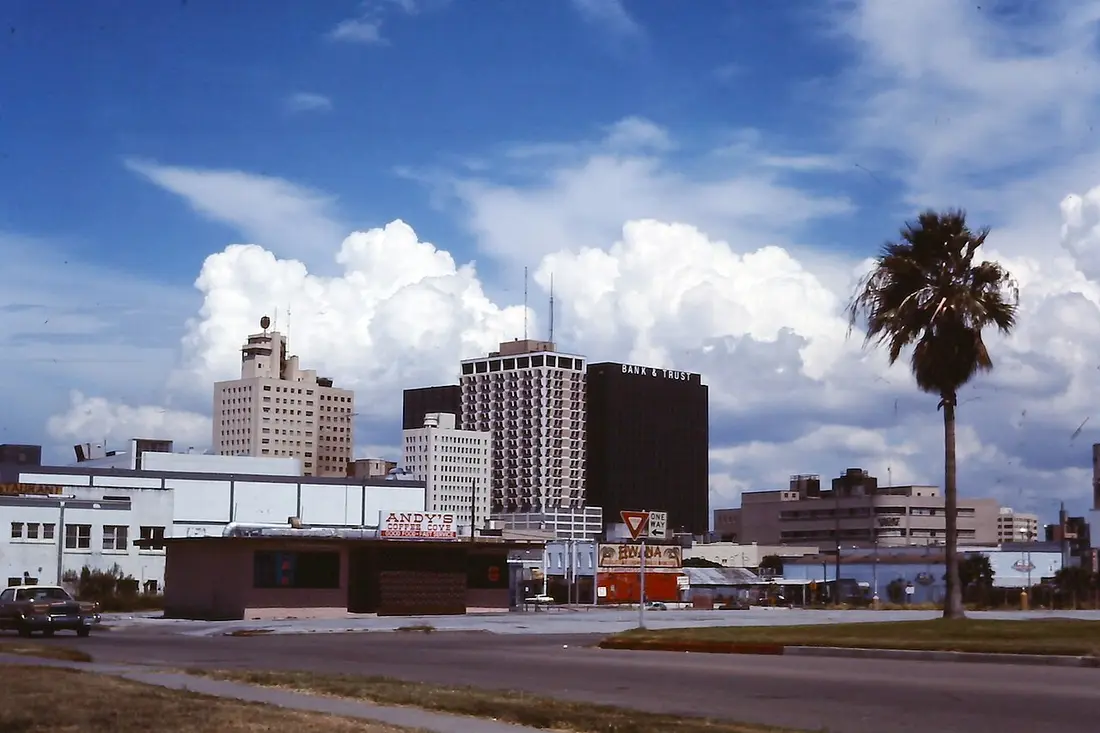 Uptown Corpus Christi
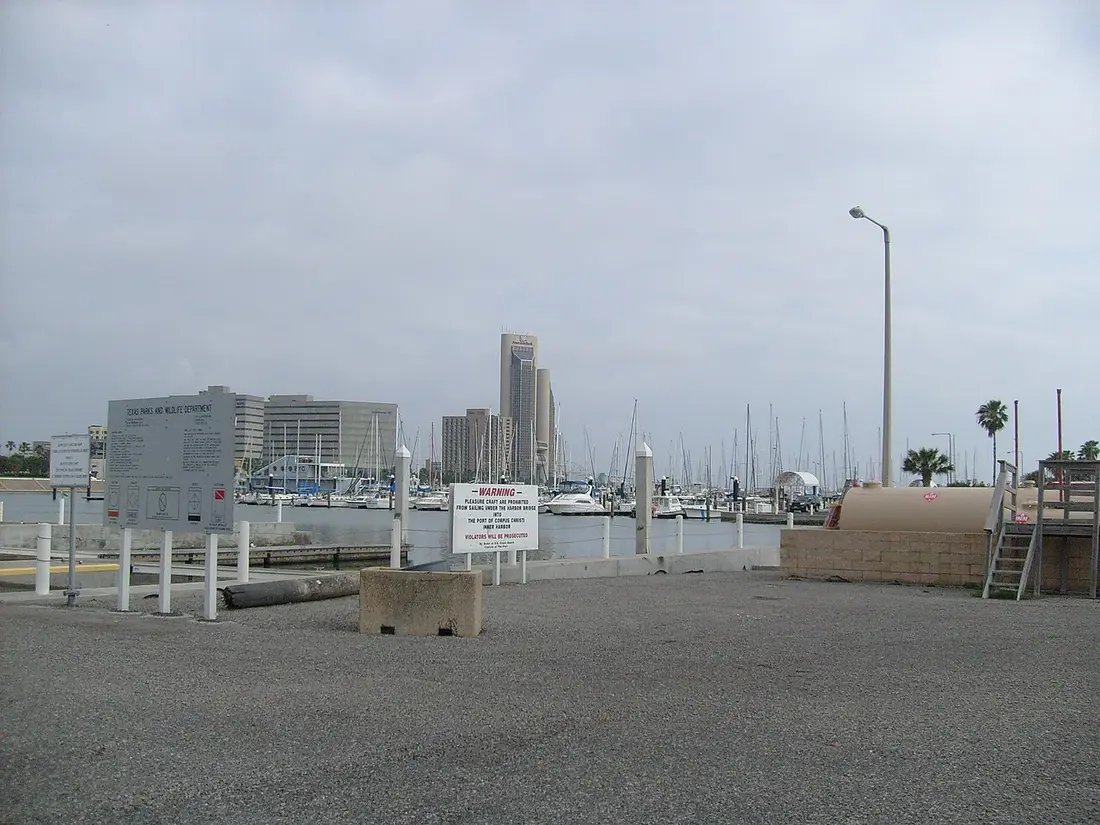 Midtown
 Bayside
 Central Corpus Christi
 Westside
 Bay Area
Rodent Control runs across the whole service map: the bayfront districts of Downtown Corpus Christi, North Beach, Uptown and Bayside; Midtown, Lamar Park and the Bay Area; the South Side, Saratoga and Kings Crossing corridors; Flour Bluff, Padre Island and Mustang Island; Calallen, Annaville, Tuloso-Midway and the Northwest; and the Coastal Bend communities of Robstown, Gregory, Portland, Ingleside, Aransas Pass, Rockport and Fulton. One call covers all of it - the local pages above carry the detail for each. If your street is not named here, call anyway: routes grow with demand, and most Coastal Bend addresses are already within reach of a scheduled run.
Roof rats commute from palms and oaks into attics along branches, wires and fences - an aerial problem with an aerial solution. Cut the bridges, clear the canopy food, then trap inside and seal the entries in that order.
Read the GuideFormosan colonies run into the millions, nest inside walls, and damage wood far faster than native termites. Inspect for the coastal signatures - carton nests, spring swarms, blistered paint - and treat both the soil and the wall nests.
Read the GuideRain hatches dormant marsh eggs and fills every container in the yard; biting peaks about a week after the storm. Run the 7-day brood plan: tip and toss on a schedule, larvicide what cannot drain, treat the resting foliage.
Read the GuideThe city grows their infrastructure: palm crowns and oak canopies for shelter and highways, citrus for food, and mild winters for year-round breeding. Homes that manage the canopy gap and the roofline gaps mostly opt out of the problem.
Yes - gnawed wiring is a documented fire cause, chewed PEX and supply lines cause floods, and contaminated insulation is a sanitation job. Rodent work is property protection, not just pest removal.
The evidence for ultrasonic repellers is consistently poor - rats habituate within days. Sealing, sanitation and trapping are what the data and the trade both support.
Fruit on the tree or the ground, pet food outdoors, bird feeders, unsealed garbage, dense ivy and palms touching the house. Remove the food and the bridges and most yards stop being rat habitat.
Most homes here get roof rats - the climbing species in the palms, oaks and attics. Norway rats appear near the harbor, creeks and commercial corridors and work at ground level. The inspection tells them apart by droppings, routes and entry height, and the plan follows the species.
High water floods burrows, sewers and ground harborage, and displaced rats take the nearest dry high ground - your attic. Post-storm weeks are the busiest rodent weeks on the coast, and the entries they find then stay open for the next ones.
Poison has a place in some commercial and outdoor programs, but inside homes it creates odor and secondary-poisoning problems while leaving the entries open. Trapping plus exclusion is the standard residential answer - it removes the animals and closes the door behind them.
Removal runs days to a few weeks depending on population size, and exclusion is scheduled work on the logged list. The honest endpoint is monitors staying quiet and every logged entry sealed - not a date on the calendar.
One call connects you with a pest control professional serving Corpus Christi and the Coastal Bend - inspection, treatment, exclusion and prevention.
📞 Call Now