Palmetto Bugs in Corpus Christi: What They Are and How to Keep Them Out
Palmetto bug floods after rain, in drains and at porch lights all summer.
Read the Guide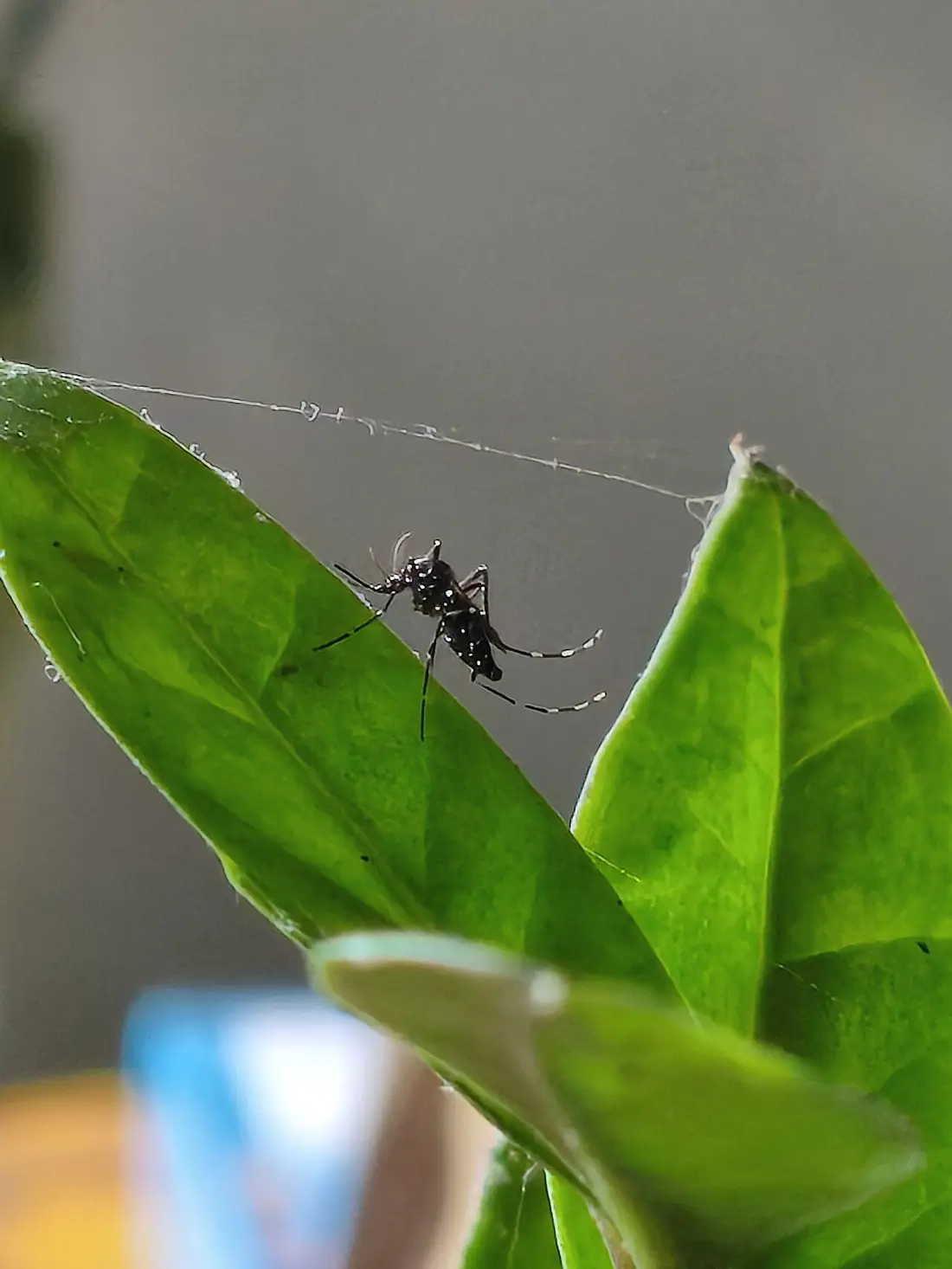
Rain hatches dormant marsh eggs and fills every container in the yard; biting peaks about a week after the storm.
Problem: Rain hatches dormant marsh eggs and fills every container in the yard; biting peaks about a week after the storm.
Solution: Run the 7-day brood plan: tip and toss on a schedule, larvicide what cannot drain, treat the resting foliage.
When to call: Call when the yard stays unusable despite the routine, or biting runs day and night after every rain.
Corpus Christi rain comes with a sequel. About a week after a good downpour - sooner in high summer - the mosquitoes arrive in a wave that feels personal: the patio empties, the dog walk shortens, the evening is surrendered. The wave is not a mystery and it is not weather. It is a brood, on a schedule set by biology, and once you can read the schedule you can break it.
The post-rain surge is really three surges wearing one name. Salt-marsh mosquitoes hatch from eggs that waited dry in the marsh soil for the tide or rain to wake them. Aedes aegypti hatches from the containers in your own yard. Culex builds more slowly in the drains and standing water that linger. Each has its own clock, its own address and its own counter-move.
Corpus Christi sits on the western Gulf of Mexico where the bay meets the brush country, and its climate writes the pest calendar: long, hot, humid summers, winters so mild that most pests never fully stop, and rain that arrives in tropical downpours instead of gentle weeks. Nothing here gets a killing freeze most years, so pest populations build on each other season after season.
Salt-marsh mosquitoes - Aedes taeniorhynchus and its cousins - lay eggs in the damp soil of the Laguna Madre margins and the marsh flats, where they can wait dry for months. Sheet water from a storm or a spring tide hatches them by the acre, synchronously. The brood develops in about a week and the adults fly - miles, on the wind, in numbers that can turn a Flour Bluff evening into an endurance event.
Your yard work cannot unhatch a marsh, and that is what county vector control is for: surveillance drives the fogging map, and the county's work genuinely reduces the traveling wave. What you control is how hospitable your property is when the wave arrives - resting foliage, shade and blood meals - and the private broods hatching within your own fence line at the same time.
Aedes aegypti eggs wait somewhere ruder: glued above the waterline of your plant saucers, buckets, toys, tarps and gutters, dry and patient for months. Rain fills the container, the eggs hatch, and five to seven days later the day's biters emerge - yards from where you sit. Aegypti barely travels; a biting aegypti was almost certainly born within a few houses of the bite.
This is the brood your effort controls completely, and its schedule is the plan's spine. Every rain restarts the clock. The containers that held water at the storm must be emptied before their brood matures - in summer heat, inside a week. Miss the window and the yard releases its own weather system, timed exactly with the marsh wave so the two feel like one plague.


Culex quinquefasciatus prefers the water that stays: storm drains with holding sumps, clogged gutters, catch basins, neglected pools and the organic soup in drainage ditches. Its broods build more slowly and peak later, biting at night, and Culex is the local West Nile vector - the species that turns mosquito control from comfort into health policy, especially for older residents.
The counters are structural. Keep gutters flowing, screens on drain outlets where your system has them, larvicide in the standing water you cannot drain, and report the green pool and the clogged public drain to the county rather than suffering them. Culex pressure is a neighborhood condition; it improves when the street treats its standing water as shared infrastructure.
Day zero is the rain. Within two days, walk the property with a list: every container tipped, scrubbed at the waterline where eggs glue, and stored dry or inverted; every drain and low spot checked; larvicide refreshed in the water that must stay - bird baths get dumped and refilled instead, which also runs on the cycle. The scrub matters: tipping alone leaves the egg ring armed for the next rain.
Days three to seven: rest the yard's defenses - resting foliage treated or on a service rhythm, fans staged at the patio, screens checked, and the second container pass at day five to catch what the rain's runoff refilled. After the first full cycle, the plan becomes a rhythm: a container walk after every rain, folded into the same habit as bringing in the cushions. It is unfancy work. It is also the entire difference between a yard that grows its own wave and one that merely endures the marsh's.
Three mosquito economies share Corpus Christi. The salt-marsh Aedes breeds in the marsh soil and travels - aggressive daytime and dusk biter, nuisance on an epic scale, low disease risk. Aedes aegypti breeds in your containers and stays home - the daytime ankle biter of the patio, capable of carrying dengue and Zika where those viruses circulate. Culex breeds in the drains and standing water - the night biter, and the West Nile vector that makes it a health species. Three species, three addresses, three plans - which is why one-size mosquito advice fails so completely here.
Identification from the bite alone is unreliable, but behavior tells: biting at midday in the yard points to aegypti and your containers; clouds at dusk after a marsh-side wind points to the travelers; bites appearing overnight indoors point to Culex finding its way in. Match the counter to the behavior and you are already ahead of most spray schedules.
Source control first, and it is not close: the container walk after rain removes more mosquitoes per dollar than any other act available to a homeowner, because it deletes broods before they exist. Larvicide second, for the water that cannot be removed. Barrier treatment of resting foliage third - real, useful, and the backbone of professional service - because it taxes every adult that lands. Everything else is garnish: traps catch a tithe, zappers mostly catch bystanders, and citronella defends a very small circle for a very short while.
Fans deserve promotion from garnish to the main list for patios specifically. Mosquitoes are feeble fliers and worse navigators; a steady oscillating breeze over the seating area breaks up their approach and disperses the carbon dioxide plume they navigate by. For a Corpus Christi patio, a fan is not comfort equipment. It is pest control equipment that also happens to cool you.
Corpus Christi mosquito control runs on two tracks that homeowners often confuse. The county manages the public system - marsh, basins, neglected pools, public drainage - with surveillance setting the treatment map. The homeowner manages the private system: the containers, drains and foliage within the property line where the biting actually happens. Neither track substitutes for the other.
That is the service side of this guide's problem. When you are ready, the Mosquito Control page carries the process, the coverage by neighborhood and the number to call.
Tip, scrub and store every container; check drains and low spots.
Dump and refill bird baths.
Second pass - catch refilled containers before their brood matures.
The walk after every rain, fans and screens at the patio.
Every saucer, bucket, toy, tarp and tray listed and on the tip-and-scrub rhythm?
Gutters, drain extensions and AC pans checked this month?
What cannot drain is larvicided on schedule - and the map is written down?
Shrubs at doors and patio on a barrier rhythm or a service program?
Fans staged, screens sound, repellent at the door for the dusk hours?
Mosquito programs scope by the yard's water and foliage: lot size and container load, standing-water features that need standing larvicide, the density of resting shrubs around the living areas, and how much of the pressure is homegrown Aedes versus imported marsh brood. A tight suburban yard is a rhythm program; a waterfront acre with ditch frontage is a standing campaign with the county's work as one of its layers.
A mosquito service brings the two things households struggle to sustain: the rhythm and the reach. Barrier applications land on the resting foliage through the whole season on schedule, larvicide programs cover the standing water you cannot drain, and the technician's brood-eye walk catches the container and drain problems in their first week - when a finding is still a chore instead of a population.
You have treated adults while the brood hatches untouched. Source control after rain, barrier on schedule - not the reverse.
Zappers harvest moths and beetles by the pound and mosquitoes by the anecdote. Fans outperform them at the table for a tenth of the romance.
The egg ring glued above the waterline survives the tip and hatches at the next rain. The scrub is the step that counts.
The brood does not care which side of the house the camera sees. Saucers and drains at the front bite the same.
Corpus Christi rain will keep scheduling mosquitoes a week out, every time, for as long as this coast has weather. The households that get their evenings back are not the ones with the strongest spray - they are the ones running the brood clock as a household rhythm: walk after rain, scrub the rings, larvicide the keepers, fan the patio. Seven days of biology can be beaten by twenty minutes of routine. That is the whole secret, and it survives every forecast.
Palmetto bug floods after rain, in drains and at porch lights all summer.
Read the GuideDifferent termites sign their work differently: mud for subterraneans, pellets for drywoods, blisters and carton for Formosans.
Read the GuideBecause a week is the brood clock: eggs hatch in the new water, larvae feed for several days, pupae follow, and adults emerge around day five to seven in Gulf heat. The marsh brood and your container brood run the same clock, so the waves land together.
County fogging knocks down traveling adults - the marsh wave - on a surveillance-driven schedule. It does nothing to the eggs and larvae in your yard's containers, which is why a fogged neighborhood can still bite at one un-walked address. The systems complement each other; neither substitutes.
Aedes aegypti, almost always - the container species. Day biting plus a short flight range means the source is near: your containers or a close neighbor's. That is good news; it is the one brood fully under homeowner control.
Mostly they are salt-marsh biters - miserable but low-risk for disease. The health species is Culex, quieter and nocturnal, which is why the drain and standing-water work matters beyond comfort. Use repellent, mind the dawn and dusk hours, and take fevers after heavy mosquito seasons seriously with a doctor.
It will genuinely help that evening - a fresh barrier application plus fans makes a real difference for an event. It does not break broods, so the following week re-bites on schedule. Events get sprays; seasons get the plan.
One call connects you with a pest control professional serving Corpus Christi and the Coastal Bend - inspection, treatment, exclusion and prevention.
📞 Call Now