Termite Control in Robstown
Robstown is the Nueces County farm town west of Calallen - the Cotton Picker hometown, an old railroad and cotton-gin center ringed by some of the richest farm land in South Texas.
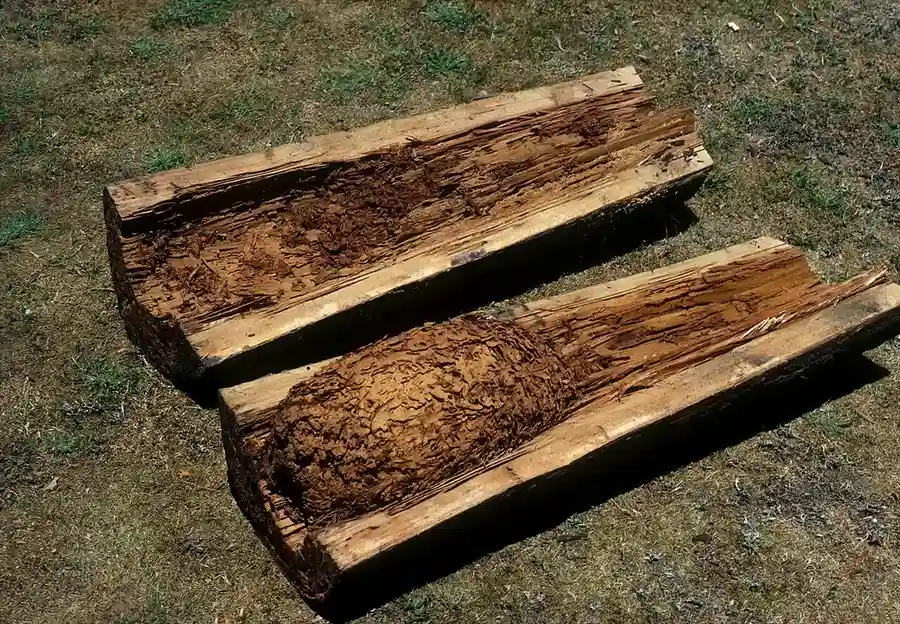
Termite control for Corpus Christi homes - subterranean, Formosan and drywood termites are a year-round threat on the Texas Gulf Coast, and treatment starts with a real inspection.
Corpus Christi homeowners learn the pattern fast: palmetto bugs after a rain, fire ant mounds the morning after a storm, mosquitoes whenever the wind drops, and roof rats in the palms and oaks all year. Pest control here is not a one-time event; it is a rhythm matched to the Gulf Coast year.
The city itself adds pressure. Corpus Christi is the Nueces County seat and the Coastal Bend's hub, with neighborhoods that range from 1900s blocks near the bayfront to subdivisions still being framed at the brush-country edge - and every era of housing has its own pest profile, from drywood termites in old eaves to field rodents at the construction frontier.
Subterranean termites build pencil-thin mud tubes up concrete, piers and stucco to reach wood while staying moist.
Formosan termites build spongy carton nests inside walls and attics - a sign of a large, established colony that may not touch the soil at all.
Drywood termites push out frass - small pellet piles under kick-out holes in eaves, window frames and attic wood.
Clouds of small winged insects around porch lights after a spring rain are termite colonies sending out new kings and queens - Formosans famously swarm at dusk in late spring.
Paint that blisters on window frames or baseboards can hide feeding just underneath.
Baseboards, door frames or beams that sound papery when tapped may already be eaten from the inside.
Subterranean termites live in the soil and need moisture - Corpus Christi's humidity, irrigation overspray and leaky hose bibs keep the ground at the foundation line damp enough for colonies year-round. Wood-to-soil contact, like a fence post or a form board left in the ground, is an open invitation.
Formosan termites raise the stakes. Their colonies run into the millions, they build carton nests in walls and attics that hold moisture for them, and they can damage a structure far faster than native subterraneans. The Gulf Coast is their established Texas foothold, and this city is inside it.
Drywood termites need no soil at all. They fly in during warm-evening swarms and start colonies inside dry wood - attic framing, eaves, fascia, window frames and even furniture. Coastal neighborhoods with big attic vents give them easy landings.
Summer is peak pest season on the Coastal Bend. Salt-marsh mosquitoes hatch by the millions after high tides and rains, palmetto bugs ride the drains into ground floors, German roaches breed at top speed in hot kitchens, and fire ants forage around the clock. Exterior service in summer is what holds the line.
Spring on the Gulf Coast is termite season first: warm nights after rain send subterranean swarmers into the air, fire ant colonies push up fresh mounds, and wasp queens start thumb-sized nests under the eaves. Mosquito season starts with the first standing water. It is the inspection season - the month to find problems while they are small.
A Corpus Christi winter is a pause, not a reset. A hard freeze is a rare guest, so roaches keep breeding in heated buildings, rodents that got in stay in, and garage black widows stay active. Winter is project season: exclusion, moisture fixes, termite inspections and the prep that sets up spring.
Corpus Christi sits in one of the most active subterranean termite zones in Texas, and the Gulf adds two more acts: Formosan colonies that nest in walls and out-eat the natives, and drywood colonies in the framing itself. The three problems behave differently enough that treating one while missing the others is a classic local failure. Subterranean work is about the soil and the moisture that lets colonies reach the house; Formosan work adds the hunt for carton nests overhead; drywood work is about locating galleries in wood that may be twenty feet from the nearest soil.
The economics argue for sequence. Inspection maps all three risks; treatment addresses what is active; and the boring annual rhythm of moisture control and re-inspection keeps the finding small next time. Corpus Christi homeowners who treat termites as a one-time purchase relearn the lesson at resale. Homeowners who treat them as a standing condition of Gulf Coast homeownership mostly stop thinking about termites at all.
Choose the company that inspects like it expects to be checked: species named, map drawn, evidence shown. Termite work is bought on the quality of its documentation as much as its treatment, because the document is what the next decade of decisions stands on.
The last thing the rhythm buys is proof. Visit by visit, the record shows what was found, what was done and what changed - the document a buyer asks for at resale, a landlord leans on at turnover, a homeowner uses to decide what the house needs next. In a city where pest pressure is a permanent feature of the address, that paper trail is not bureaucracy. It is the difference between a house with a managed condition and a house with a recurring surprise.
Corpus Christi sits on the western Gulf of Mexico where the bay meets the brush country, and its climate writes the pest calendar: long, hot, humid summers, winters so mild that most pests never fully stop, and rain that arrives in tropical downpours instead of gentle weeks. Nothing here gets a killing freeze most years, so pest populations build on each other season after season.
Water is the engine, and this city runs on it. Corpus Christi Bay, Oso Creek, the Nueces River, the Laguna Madre and thousands of irrigated lawns keep moisture in every neighborhood, and where there is constant water and constant warmth there are constant pests - mosquitoes off every low spot, roaches in every warm drain, termites in every damp foundation line.
A trained inspector checks the foundation line, crawl space, attic, eaves and interior wood, and maps exactly where activity and damage are.
Subterranean, Formosan and drywood termites are treated very differently, so the plan names the species and the evidence before any work is quoted.
Subterranean work targets the soil colony and its routes into the structure; Formosan work addresses wall nests as well as soil; drywood work targets the infested wood itself, locally or across the structure as the evidence demands.
You get a clear record of findings, treatment and the moisture and wood-to-soil fixes that keep the next colony out.
Treatment handles the colony that is present. Prevention is the standing work that makes the next colony somebody else's problem - mostly moisture discipline and keeping the foundation line readable.
The communities around Corpus Christi share its pest calendar - with their own twists.
Robstown is the Nueces County farm town west of Calallen - the Cotton Picker hometown, an old railroad and cotton-gin center ringed by some of the richest farm land in South Texas.
Gregory is the small San Patricio County town between Portland and Ingleside, sitting above the bay's north shore next to some of the Gulf Coast's biggest industrial plants.
Portland is the fast-growing bayfront city across the harbor from downtown - subdivisions and schools on the bluff above Corpus Christi Bay, with Sunset Lake Park on its shore and wide-open views across the bay.
Ingleside is the San Patricio County bay town under the live oaks - a small-city mix of older neighborhoods, new subdivisions and plant-corridor growth between Portland and Aransas Pass.
Across the bayfront and the north side - Downtown Corpus Christi, North Beach, Uptown Corpus Christi, Midtown, Bayside and Central Corpus Christi, Westside, Bay Area, Lamar Park, South Side - the housing runs from historic bayfront blocks to established family neighborhoods, and termite control follows the construction: older wood, mature palms and creek-corridor greenery in the established districts, marsh-edge pressure toward the bay.
The south and west of the city - Saratoga Area, King's Crossing, Southeast Corpus Christi, London Area, Flour Bluff, Padre Island and Mustang Island, Calallen, Annaville, Tuloso-Midway, Northwest Corpus Christi - hold the city's fastest-growing subdivisions, its apartment corridors and the island communities, which together make this the steadiest termite control territory in Corpus Christi.
Beyond the city line, the same work runs in Robstown, Gregory, Portland, Ingleside, Aransas Pass, Rockport, Fulton - Coastal Bend communities wrapped in marsh, brush country and working waterfront, where the water and the weather drive pest pressure as much as the housing does. Every one of these area pages carries the local detail for termite control in that community.
Every area we serve has its own Termite Control page with local detail.
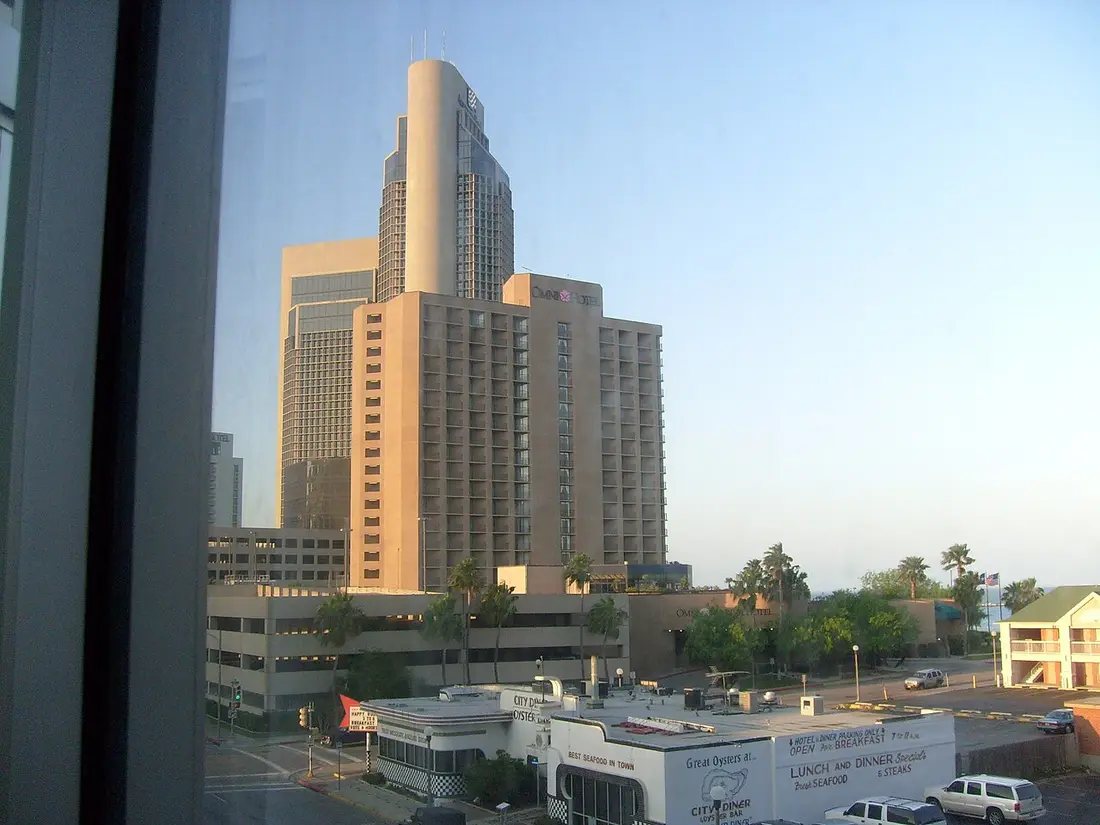 Downtown Corpus Christi
 North Beach
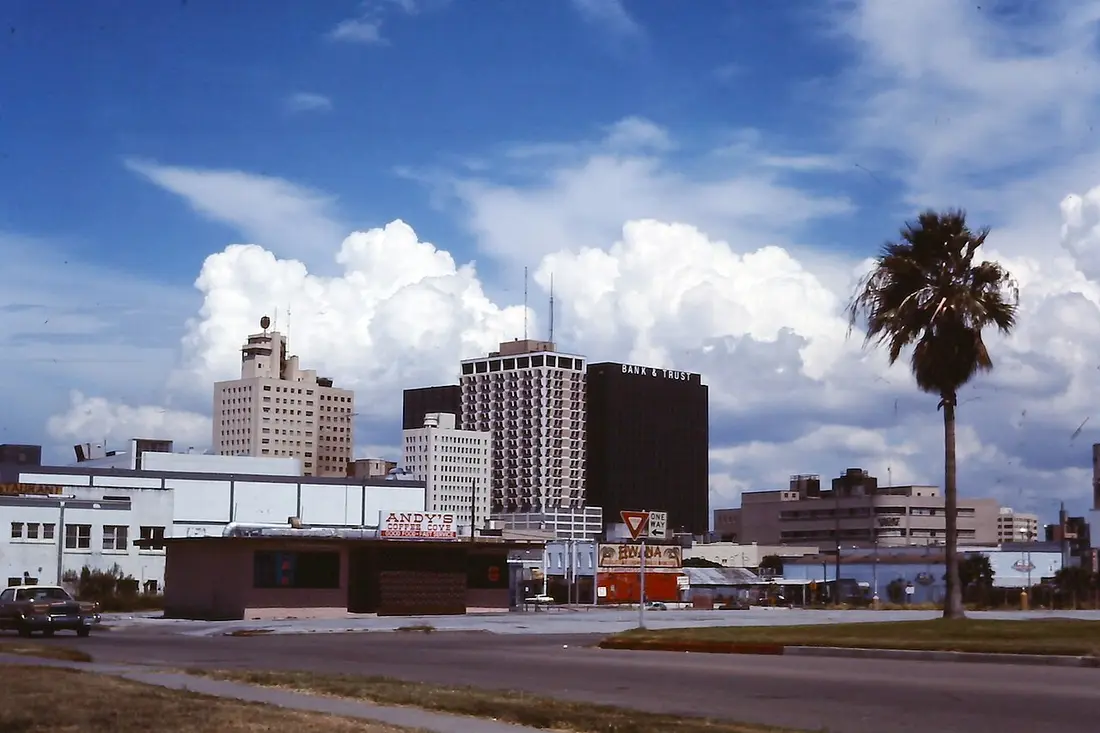 Uptown Corpus Christi
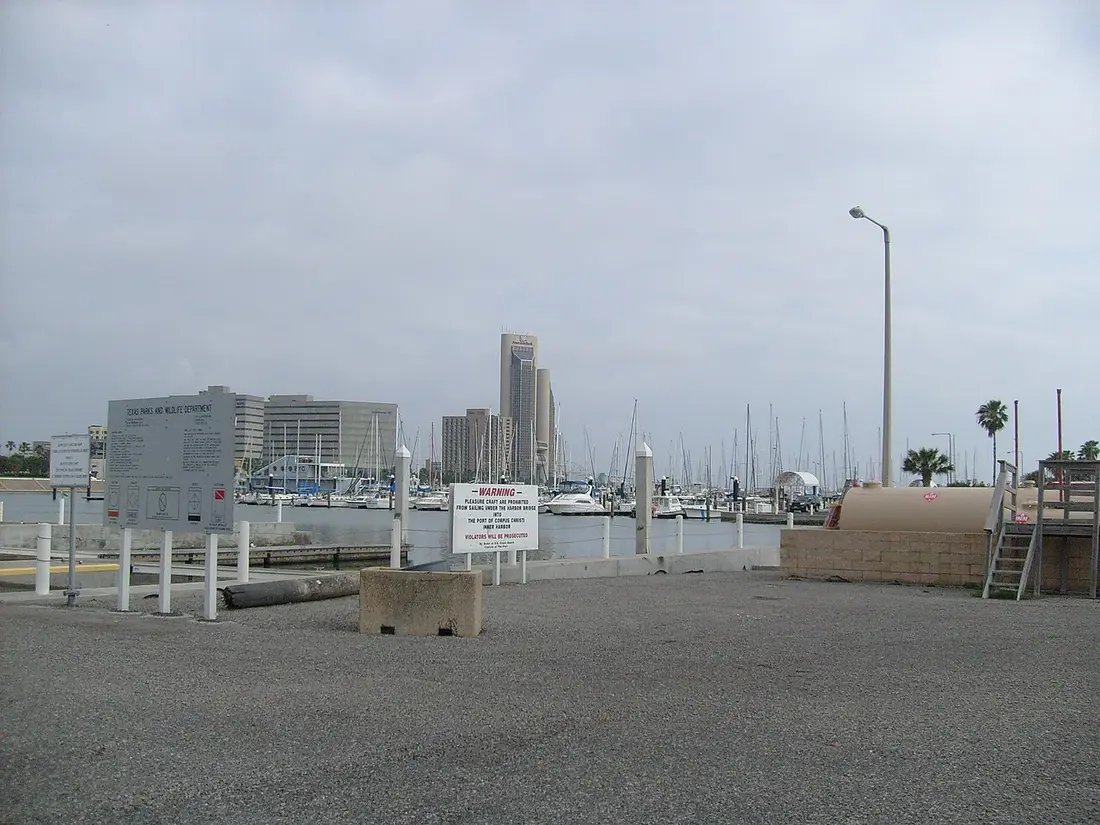 Midtown
 Bayside
 Central Corpus Christi
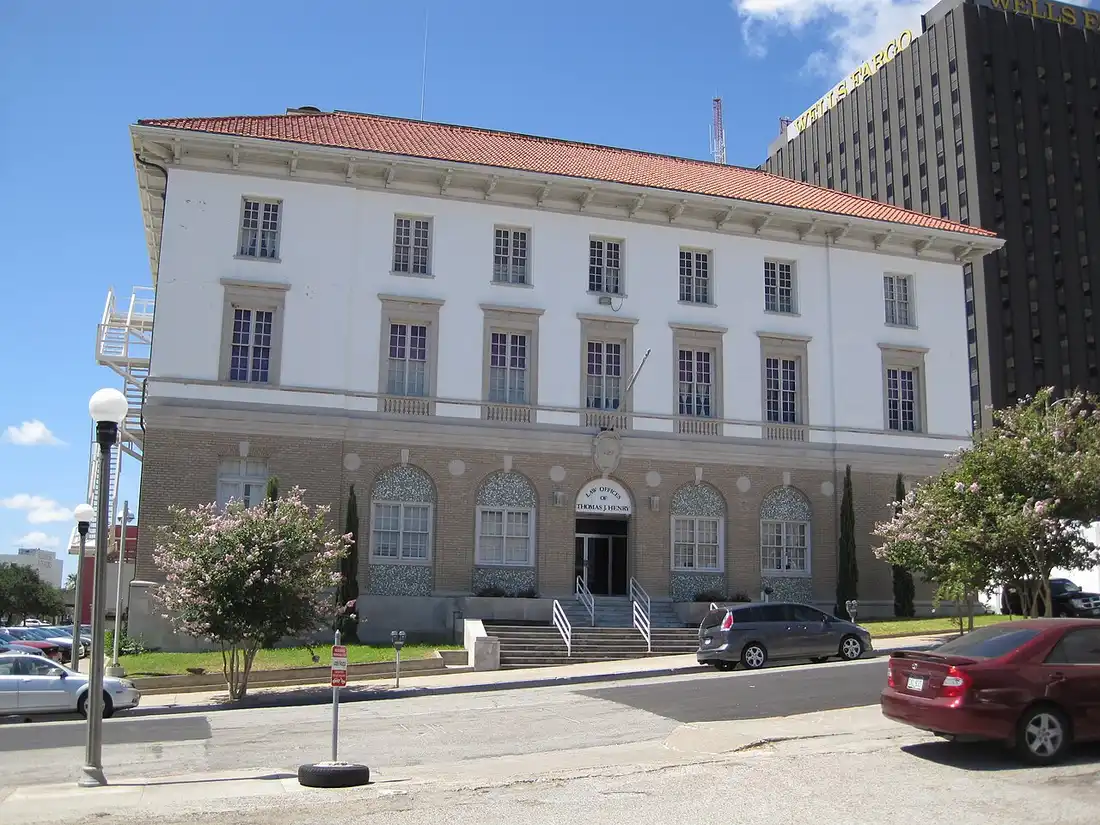 Westside
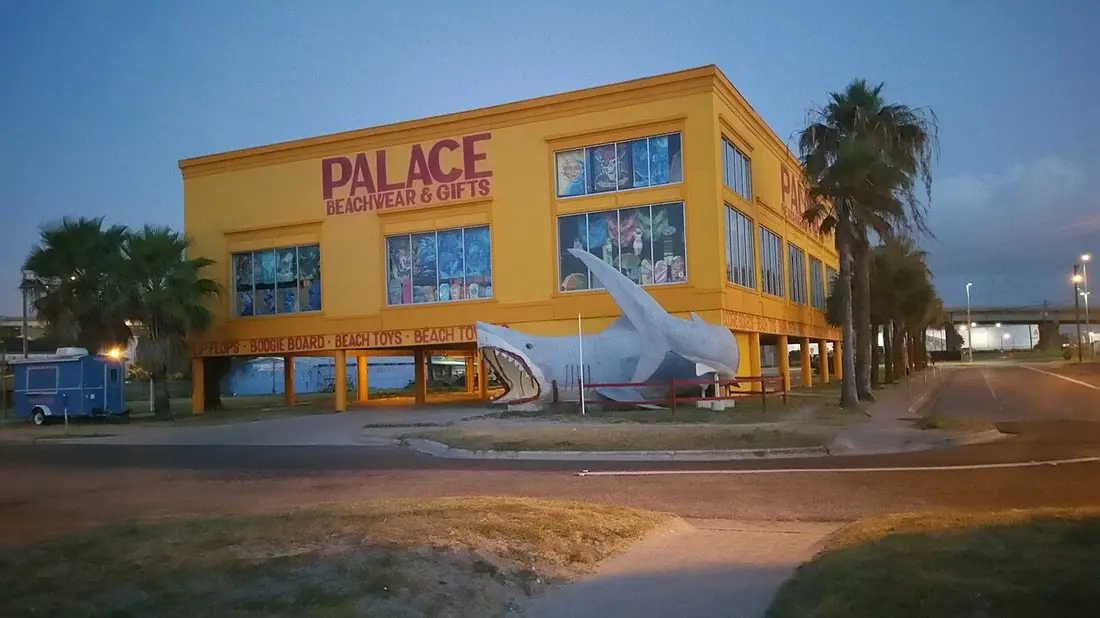 Bay Area
Termite Control runs across the whole service map: the bayfront districts of Downtown Corpus Christi, North Beach, Uptown and Bayside; Midtown, Lamar Park and the Bay Area; the South Side, Saratoga and Kings Crossing corridors; Flour Bluff, Padre Island and Mustang Island; Calallen, Annaville, Tuloso-Midway and the Northwest; and the Coastal Bend communities of Robstown, Gregory, Portland, Ingleside, Aransas Pass, Rockport and Fulton. One call covers all of it - the local pages above carry the detail for each. If your street is not named here, call anyway: routes grow with demand, and most Coastal Bend addresses are already within reach of a scheduled run.
Formosan colonies run into the millions, nest inside walls, and damage wood far faster than native termites. Inspect for the coastal signatures - carton nests, spring swarms, blistered paint - and treat both the soil and the wall nests.
Read the GuideStorms relocate pests wholesale: upward, inward and into the driest structure on the street - yours. Proof before the season, seal before the storm, and run the brood-and-damage plan in the first week after.
Read the GuideRoof rats commute from palms and oaks into attics along branches, wires and fences - an aerial problem with an aerial solution. Cut the bridges, clear the canopy food, then trap inside and seal the entries in that order.
Read the GuideYes. The Texas Gulf Coast is the Formosan termite's established range in the state, and Corpus Christi's warm, humid, irrigated neighborhoods are exactly its habitat. Late-spring evening swarms around lights are their signature.
Annually is the standard advice on this coast - colonies grow year-round here, and the cost curve of termite damage punishes every skipped year.
Treatment plans vary - some include re-treatment provisions if activity returns in treated zones. What any plan actually covers is spelled out in writing before work begins; ask for the specifics rather than assuming.
They do not eat concrete, but they travel through the hairline cracks, expansion joints and plumbing penetrations every slab has. Slab homes are inspected at those points - and flooded or settling slabs open new ones.
All three Texas problems: eastern subterranean termites from the soil, Formosan subterranean termites - the aggressive Gulf Coast species that also nests in walls - and drywood termites inside the wood itself. The inspection identifies which you have, because the treatments differ.
Faster than the native species - Formosan colonies are far larger and feed more aggressively, and their in-wall carton nests let them work hidden for a long time. That is why a Formosan finding moves a home to the front of the treatment queue.
Swarmers outside mean colonies nearby, not necessarily in your framing - but they earn an inspection. Swarmers emerging indoors, or wings collected inside, usually mean the colony is already in the structure.
Cost follows the map: which species, how many locations, how much damaged wood, and whether the job is a perimeter program, wall-nest work, localized drywood treatment or fumigation. The inspection builds that map before any number is quoted.
One call connects you with a pest control professional serving Corpus Christi and the Coastal Bend - inspection, treatment, exclusion and prevention.
📞 Call Now