Pest Control in Robstown
Robstown is the Nueces County farm town west of Calallen - the Cotton Picker hometown, an old railroad and cotton-gin center ringed by some of the richest farm land in South Texas.

General pest control for Corpus Christi homes - inspection, treatment and prevention for the roaches, ants, spiders and rodents that ride the Gulf Coast seasons.
Corpus Christi homeowners learn the pattern fast: palmetto bugs after a rain, fire ant mounds the morning after a storm, mosquitoes whenever the wind drops, and roof rats in the palms and oaks all year. Pest control here is not a one-time event; it is a rhythm matched to the Gulf Coast year.
The city itself adds pressure. Corpus Christi is the Nueces County seat and the Coastal Bend's hub, with neighborhoods that range from 1900s blocks near the bayfront to subdivisions still being framed at the brush-country edge - and every era of housing has its own pest profile, from drywood termites in old eaves to field rodents at the construction frontier.
Big American cockroaches appearing in tubs, sinks and garages usually mean drain and outdoor harborage populations are pressing in.
Pepper-like droppings in cabinets or shed skins in corners point to German cockroaches living close by.
New fire ant mounds in the lawn a day after a storm mean colonies are active and expanding under the yard.
Noise in the attic or walls after dark is most often roof rats moving along pipes, wires and joists.
Pencil-thin mud lines on concrete or piers are subterranean termites traveling between soil and wood.
Piles of small discarded wings on a warm spring evening often mean a termite swarm happened inside or just outside the home.
Corpus Christi's humidity is the engine. Sea air, irrigation, AC condensate and tropical downpours keep soil and voids damp all summer, and damp is where ant colonies, subterranean termites and roach harborage all start. The service visit focuses on those wet zones first.
The second engine is food and shelter. Fruit trees, pet food, unsealed pantry goods and cluttered garages feed the pests that the water brings in, which is why a general service always pairs treatment with sanitation and sealing notes.
Heat ties it together. When afternoons sit in the nineties with Gulf humidity - a normal Corpus Christi summer week - ground pests move up and in, toward wall voids, under slabs and into the cool of the house. Entry points at plumbing and AC lines are where they get in.
Spring on the Gulf Coast is termite season first: warm nights after rain send subterranean swarmers into the air, fire ant colonies push up fresh mounds, and wasp queens start thumb-sized nests under the eaves. Mosquito season starts with the first standing water. It is the inspection season - the month to find problems while they are small.
A Corpus Christi winter is a pause, not a reset. A hard freeze is a rare guest, so roaches keep breeding in heated buildings, rodents that got in stay in, and garage black widows stay active. Winter is project season: exclusion, moisture fixes, termite inspections and the prep that sets up spring.
Summer is peak pest season on the Coastal Bend. Salt-marsh mosquitoes hatch by the millions after high tides and rains, palmetto bugs ride the drains into ground floors, German roaches breed at top speed in hot kitchens, and fire ants forage around the clock. Exterior service in summer is what holds the line.
General pest control in Corpus Christi is really water management with a sprayer attached. The coastal moisture map - bay humidity, irrigation, condensate drains, tropical downpours that pond against the slab - surrounds every house, and the pest population simply follows that map. Ants queue at the leaks, roaches colonize the wet voids, spiders hunt the insects the moisture feeds and rodents drink at the same sources. A general service that ignores the water map treats the audience; one that reads it treats the cause.
The other Corpus Christi constant is the edge. Almost every home in the city backs onto something wet, wild or watered - a creek corridor, a marsh edge, a golf course, a brush lot, a neighbor's overgrown yard. Pest pressure flows from those edges inward, which is why perimeter work matters more here than in drier cities. The technician's exterior pass is not a formality before the 'real' indoor work; on the Gulf Coast, the exterior IS the real work, and the interior is the backup.
Choose on the inspection, not the advertisement. A general service worth paying for names the pests it found, shows you the entry points and the water map, and writes the prevention rhythm down. If the visit is a spray looking for a problem, the problem will keep the appointment instead.
The last thing the rhythm buys is proof. Visit by visit, the record shows what was found, what was done and what changed - the document a buyer asks for at resale, a landlord leans on at turnover, a homeowner uses to decide what the house needs next. In a city where pest pressure is a permanent feature of the address, that paper trail is not bureaucracy. It is the difference between a house with a managed condition and a house with a recurring surprise.
Corpus Christi sits on the western Gulf of Mexico where the bay meets the brush country, and its climate writes the pest calendar: long, hot, humid summers, winters so mild that most pests never fully stop, and rain that arrives in tropical downpours instead of gentle weeks. Nothing here gets a killing freeze most years, so pest populations build on each other season after season.
Water is the engine, and this city runs on it. Corpus Christi Bay, Oso Creek, the Nueces River, the Laguna Madre and thousands of irrigated lawns keep moisture in every neighborhood, and where there is constant water and constant warmth there are constant pests - mosquitoes off every low spot, roaches in every warm drain, termites in every damp foundation line.
The visit starts with a full inspection - kitchen, baths, attic access, garage, foundation line and yard - to identify each active pest and its entry points.
Treatment goes to the colonies, nests and travel routes found in inspection: exterior nesting sites, wall voids, cracks and the foundation perimeter.
Gaps at pipes, vents, weep holes and door sweeps are noted or sealed so the treated pests cannot simply walk back in.
You get a plain-English summary of what was found, what was treated, and the seasonal timing that keeps pressure down in this climate.
None of this asks for a weekend of work. It asks for a rhythm - a few minutes a week in the wet season, a walk-around each time the seasons turn - because in Corpus Christi the conditions that invite pests reassemble themselves constantly, and prevention is just disassembling them on schedule.
The communities around Corpus Christi share its pest calendar - with their own twists.
Robstown is the Nueces County farm town west of Calallen - the Cotton Picker hometown, an old railroad and cotton-gin center ringed by some of the richest farm land in South Texas.
Gregory is the small San Patricio County town between Portland and Ingleside, sitting above the bay's north shore next to some of the Gulf Coast's biggest industrial plants.
Portland is the fast-growing bayfront city across the harbor from downtown - subdivisions and schools on the bluff above Corpus Christi Bay, with Sunset Lake Park on its shore and wide-open views across the bay.
Ingleside is the San Patricio County bay town under the live oaks - a small-city mix of older neighborhoods, new subdivisions and plant-corridor growth between Portland and Aransas Pass.
Across the bayfront and the north side - Downtown Corpus Christi, North Beach, Uptown Corpus Christi, Midtown, Bayside and Central Corpus Christi, Westside, Bay Area, Lamar Park, South Side - the housing runs from historic bayfront blocks to established family neighborhoods, and pest control follows the construction: older wood, mature palms and creek-corridor greenery in the established districts, marsh-edge pressure toward the bay.
The south and west of the city - Saratoga Area, King's Crossing, Southeast Corpus Christi, London Area, Flour Bluff, Padre Island and Mustang Island, Calallen, Annaville, Tuloso-Midway, Northwest Corpus Christi - hold the city's fastest-growing subdivisions, its apartment corridors and the island communities, which together make this the steadiest pest control territory in Corpus Christi.
Beyond the city line, the same work runs in Robstown, Gregory, Portland, Ingleside, Aransas Pass, Rockport, Fulton - Coastal Bend communities wrapped in marsh, brush country and working waterfront, where the water and the weather drive pest pressure as much as the housing does. Every one of these area pages carries the local detail for pest control in that community.
Every area we serve has its own Pest Control page with local detail.
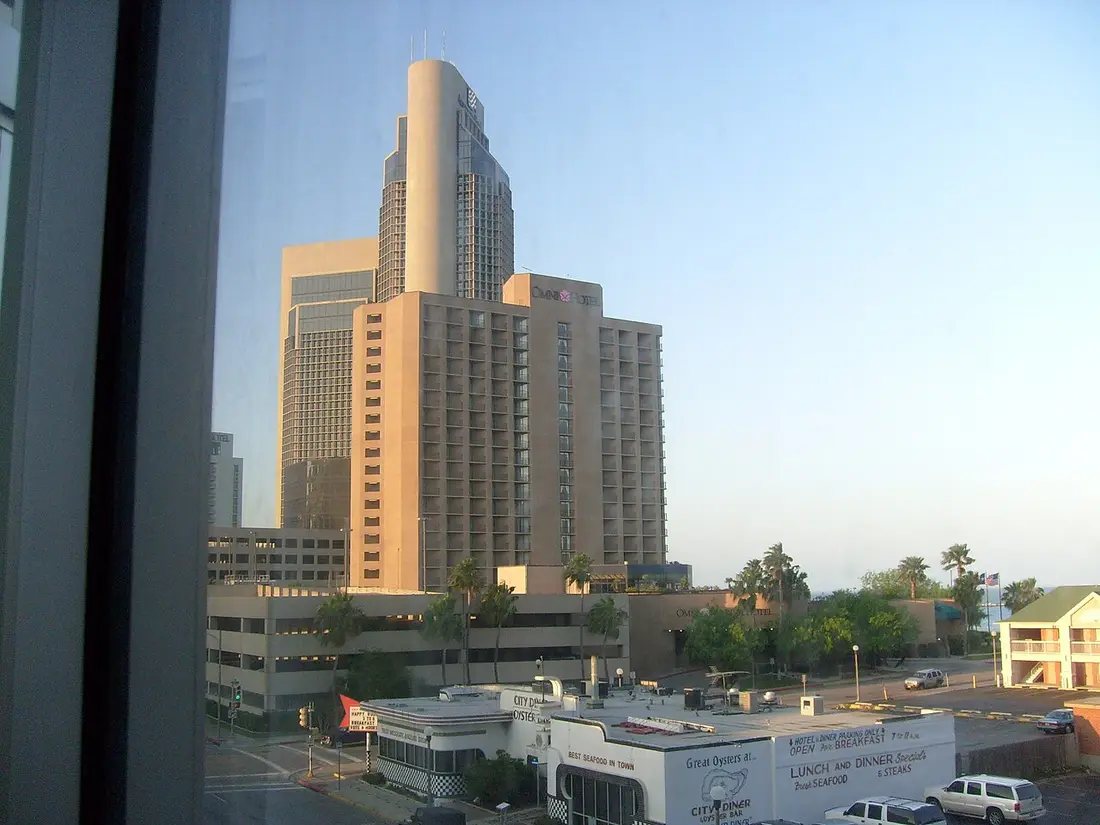 Downtown Corpus Christi
 North Beach
 Uptown Corpus Christi
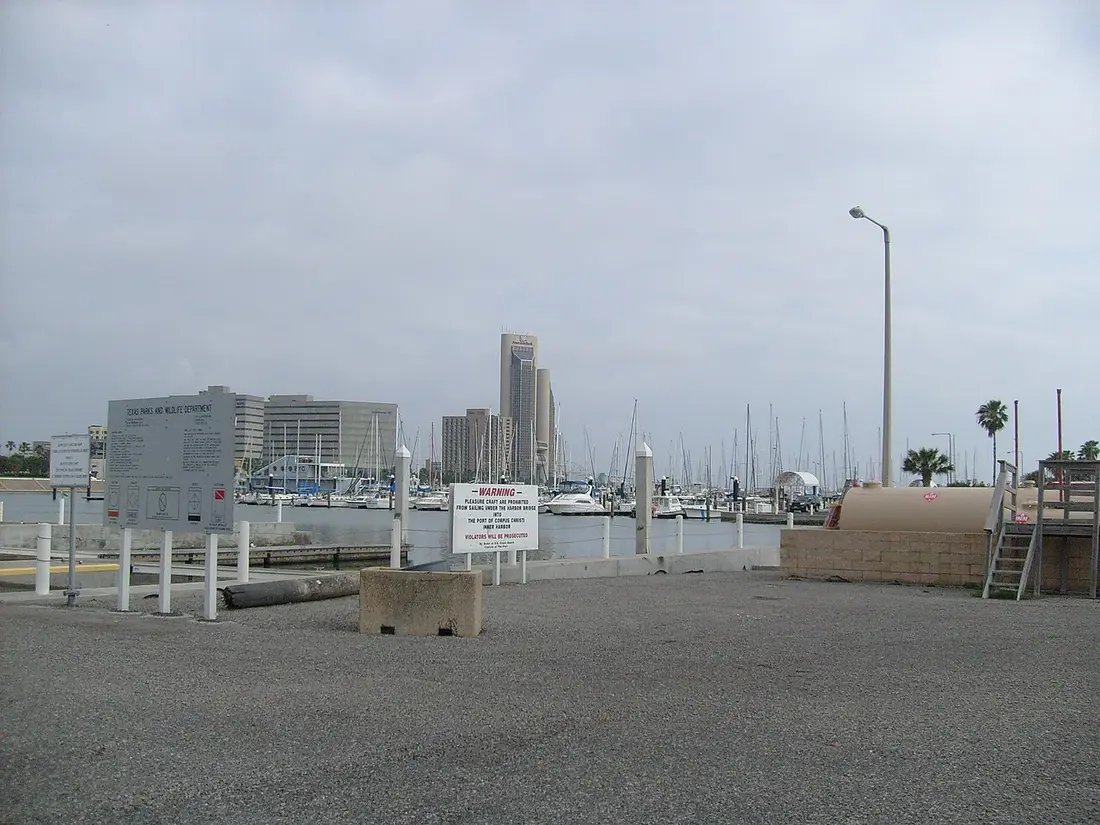 Midtown
 Bayside
 Central Corpus Christi
 Westside
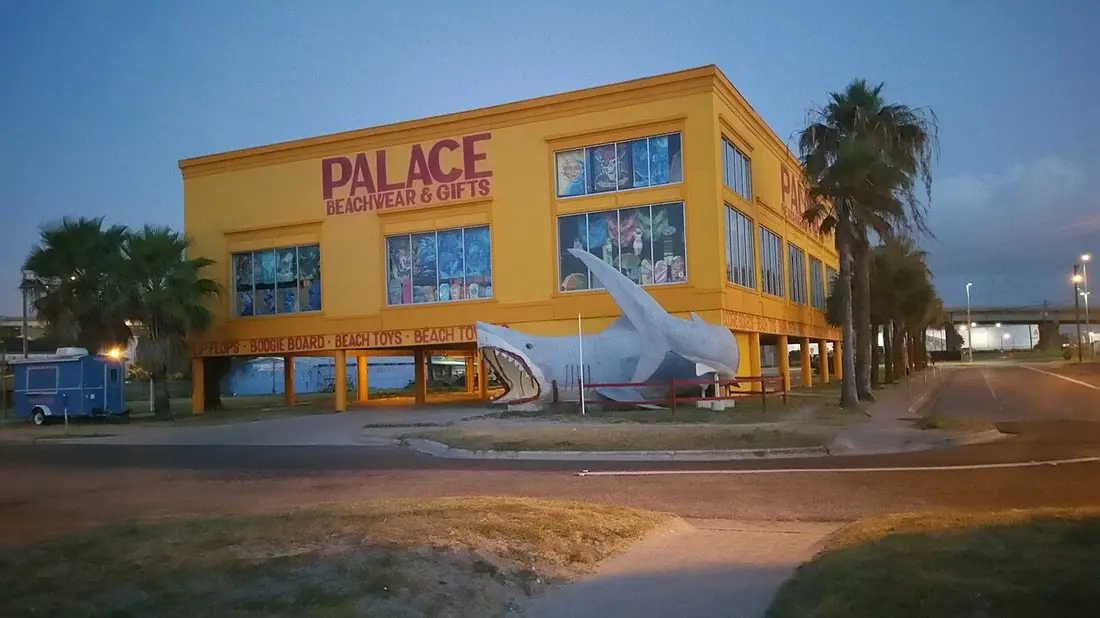 Bay Area
Pest Control runs across the whole service map: the bayfront districts of Downtown Corpus Christi, North Beach, Uptown and Bayside; Midtown, Lamar Park and the Bay Area; the South Side, Saratoga and Kings Crossing corridors; Flour Bluff, Padre Island and Mustang Island; Calallen, Annaville, Tuloso-Midway and the Northwest; and the Coastal Bend communities of Robstown, Gregory, Portland, Ingleside, Aransas Pass, Rockport and Fulton. One call covers all of it - the local pages above carry the detail for each. If your street is not named here, call anyway: routes grow with demand, and most Coastal Bend addresses are already within reach of a scheduled run.
Treatment fails on preparation, not chemistry - the prep list is the program's first and most important visit. Declutter the treatment zone, hot-launder the textiles, encase the mattresses, and change nothing until the plan says so.
Read the GuideFire ant mounds are the chimneys of colonies that run deep and wide; surface kills leave the queens untouched. Bait the colony on its foraging schedule, treat satellite mounds directly, and hold the yard rhythm all warm season.
Read the GuideRain hatches dormant marsh eggs and fills every container in the yard; biting peaks about a week after the storm. Run the 7-day brood plan: tip and toss on a schedule, larvicide what cannot drain, treat the resting foliage.
Read the GuideGeneral service covers the common household pests of the Texas Gulf Coast: palmetto bugs and German roaches, fire ants and other ants, spiders including black widows, fleas, wasps, stored-product pests and rodent activity found during inspection. Termite work, bed bugs and wildlife are scoped as their own services.
Winters here are mild and summers are long, hot and humid, so most pests never get a killing freeze. Constant moisture keeps breeding sites active, and storms periodically push outdoor populations into structures.
No honest service promises a pest-free home forever - the Gulf climate keeps pressure constant. What regular service does is keep populations knocked down and entry points closed, so problems get caught while they are small.
Cost is driven by the size of the home and lot, which pests are active, how established the infestation is, and how much exclusion or follow-up work the inspection finds. Anyone quoting without looking is guessing.
It covers inspection of the home and yard, identification of the active pests, treatment of the source zones for the common Coastal Bend pests found - roaches, ants, spiders, rodents or termite signs - and prevention notes. Specialty infestations like bed bugs are scoped separately after inspection.
Most Corpus Christi homes stay ahead of pests on a regular rhythm - every other month is common - because the long warm season keeps pest pressure up from spring through late fall. The right interval depends on what the inspection finds around your home.
Both, and the outside usually matters more. Most coastal pests live outdoors and forage in, so the exterior source zones get treated first; interior treatment focuses on the rooms and voids where activity was found.
Clear access to sinks, baseboards and the attic hatch, put pet food away, and note where you have seen activity. Your technician will tell you on the day if anything else needs moving for the areas being treated.
One call connects you with a pest control professional serving Corpus Christi and the Coastal Bend - inspection, treatment, exclusion and prevention.
📞 Call Now