Termite Signs in Texas Gulf Homes: A Room-by-Room Field Guide
Different termites sign their work differently: mud for subterraneans, pellets for drywoods, blisters and carton for Formosans.
Read the Guide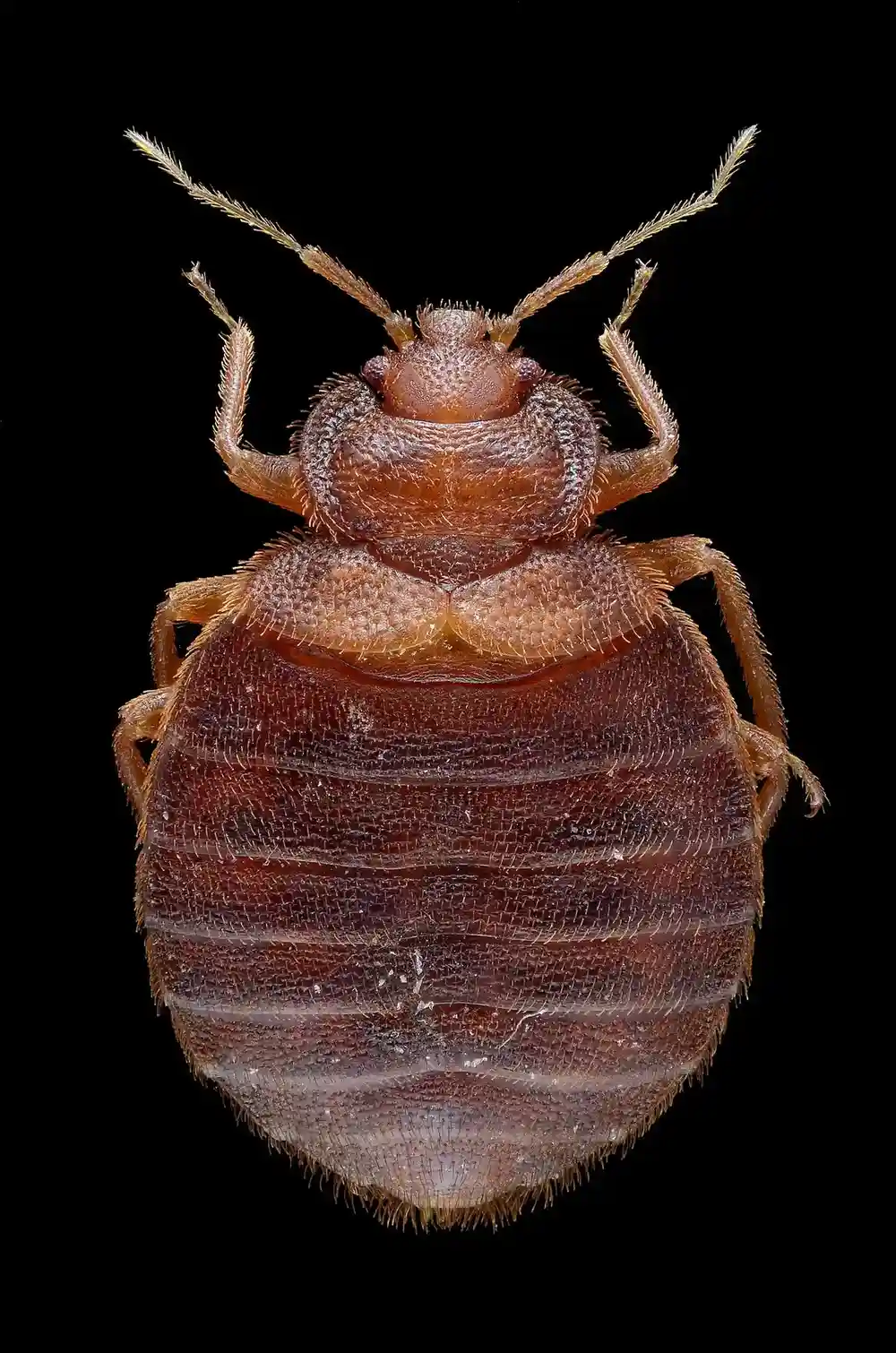
Treatment fails on preparation, not chemistry - the prep list is the program's first and most important visit.
Problem: Treatment fails on preparation, not chemistry - the prep list is the program's first and most important visit.
Solution: Declutter the treatment zone, hot-launder the textiles, encase the mattresses, and change nothing until the plan says so.
When to call: Call first, prep second: get the confirmed identification and written prep list before you move a single item.
More bed bug treatments fail in the laundry room than in the bedroom. The chemistry and heat available to professionals are genuinely effective; what defeats them is a home that was not prepared - clutter that shields harborage, textiles that never hit hot water, a mattress that carried its colony through the whole program in an unsealed seam. Preparation is not the chore before the treatment. It is half the treatment.
This guide walks the preparation the way Corpus Christi homes actually need it: what to do in the days before, what to never do (the list is important), how the day itself runs for heat and chemical programs, and how a coastal city full of beach weekends and rental turnovers keeps them out afterward. One rule before all others: confirm the identification and get your provider's written prep list first. Prep without the plan is just moving bugs around with extra steps.
Corpus Christi sits on the western Gulf of Mexico where the bay meets the brush country, and its climate writes the pest calendar: long, hot, humid summers, winters so mild that most pests never fully stop, and rain that arrives in tropical downpours instead of gentle weeks. Nothing here gets a killing freeze most years, so pest populations build on each other season after season.
Bites are not identification. Bat bugs, flea bites, mite reactions and plain dermatitis all impersonate bed bugs, and prep labor spent on the wrong insect is misery wasted. Confirm with evidence - a specimen, cast skins, the harborage constellation of spots and shells at the seams - photographed or collected for your provider. Corpus Christi's bat colonies add the bat bug possibility, which changes the job's scope to include the roost.
With confirmation comes the plan: which rooms are in the treatment zone (beds, sofas, and every room they connect to), which program - heat, chemical, or the combination coastal pros usually run - and the written prep list for that program. Photograph your harborage findings before prep begins; the 'before' record helps verification visits prove the 'after.'
Textiles first: every washable from the treatment zone - bedding, clothing from the zone's storage, curtains, soft toys - goes through the hottest wash the fabric tolerates and a full hot dry, then into sealed bags or bins that stay sealed until the program ends. Heat is the one bed bug kill no resistance touches, and the laundry is where homeowners wield it. What cannot be washed gets the dryer alone on high, bagged after.
Then the harborage map gets exposed: beds stripped and stood for inspection, clutter out of the treatment zone (bagged, not carried loose through the house), drawers emptied in the zone, items under beds removed, mattresses and box springs fitted with certified encasements after inspection - the encasement traps what treatment missed and makes future inspection a glance instead of a dig. Furniture stays in its room: moving an infested sofa to the garage is how one room's problem becomes a house's.


Do not fog. Bug bombs scatter bed bugs from the treated surface into wall voids and neighboring rooms, convert a mapped problem into a diffuse one, and add a pesticide residue layer exactly where you sleep. Do not spray the beds with retail insecticide for the same reason - repellent scatter before the professional program is the classic own goal.
Do not throw the mattress out in a panic, and do not move infested items to other rooms, cars or relatives' houses. If a piece truly must go, it leaves wrapped, marked and coordinated with the treatment day - and in Corpus Christi's rental and condo buildings, coordinated with management too, because the hallway and elevator are shared territory. Do not sleep on the couch 'to escape them': you will simply be followed, and the treatment zone will grow.
Heat program days run hot and long - the home vacated for hours, heat-sensitive items removed per the list, pets out. Chemical program days run in visits, two or three across the egg-hatch window, with rooms re-entered on the provider's timing. Either way, the follow-up verification is sacred: keep the encasements on, keep the zone's discipline, and report any live sighting with a photograph rather than a counterattack.
Keeping them out is a coastal routine. This city's introductions arrive through travel and turnover: the beach rental weekend, the fishing trip, the secondhand find. The home defense is the travel protocol - luggage off beds and inspected on return, hot-dry the trip's clothing, a glance at the seams each time the sheets change - plus encasements kept on as permanent early-warning infrastructure. Bed bugs will keep visiting Corpus Christi. With the routine, they visit as incidents, not infestations.
Shared walls add a civic layer to preparation. Notify management at confirmation, not at treatment day - buildings need to schedule adjacent-unit inspections, and Texas landlords and associations have their own procedures and cost-sharing rules that work better unhurried. Prep in a multi-family unit follows the same list, with one addition: nothing infested travels the halls unbagged, ever, and elevator and hallway moves of wrapped items get coordinated like the shared-space events they are.
Roommates and family in connected units are part of the zone conversation too. Bed bugs do not read leases; the unit next door with the unreported problem is the most common reason a well-prepped unit 'fails' treatment. Building honesty, early, is not snitching - it is how the whole stack gets its sleep back.
Verified-clear is the start of a lighter discipline, not the end of attention. Encasements stay on - they convert every future inspection into a glance. Interceptors under bed legs, where the program installed them, get a monthly look. The travel protocol becomes household law, and sheet-change day includes a ten-second seam check that nobody finds burdensome once it is habit.
If a live bug appears in the monitoring year, the response is a photograph and a call, not a fogger and not despair. Most reappearances are fresh introductions - a trip, a guest, a delivery - caught at the single-bug stage by exactly the monitoring that found it. Caught there, they are an incident with a date on it. That is what winning looks like with this pest: not a house bugs cannot enter, but a house where they cannot establish.
Bed bugs are the pest that most punishes improvisation. Their biology - nocturnal feeding, harboring in seams and joints, eggs that shrug off many treatments, weeks of survival between meals - means half-measures do not halve the problem; they relocate it. Corpus Christi's housing mix adds the multiplayer problem: beach rentals, hotels, apartments and shared-wall homes where a bug problem is a building problem wearing a unit number.
That is the service side of this guide's problem. When you are ready, the Bed Bug Treatment page carries the process, the coverage by neighborhood and the number to call.
Before any prep.
Seal them until the program ends.
Strip beds, declutter the zone, fit encasements after inspection.
Run the program's visits, verify on schedule, and adopt the travel protocol permanently.
Specimens or photos, harborage mapped, bat roost possibility ruled in or out?
Zone textiles hot-washed, hot-dried and sealed until the program ends?
Mattress and box spring inspected, then encased and left on?
Nothing leaves the zone unbagged; nothing infested moves rooms?
Luggage routine, return-day hot dry, seam checks on sheet day?
Bed bug scope is set by the harborage map, not the room count: how many sleeping and sitting sites are colonized, whether the building shares walls (and therefore neighbors) with the problem, and whether the program is heat, chemical or combined. A single-bed, single-room introduction is the small end. A sofa-plus-two-bedrooms population in a condo stack is a building project with a management chapter, and honest scoping prices the difference before the first visit.
Professionals structure what households improvise: confirmation with proper identification, a written prep list matched to the chosen program, heat or chemistry applied to the whole harborage map, and verification visits scheduled against the egg clock. In multi-family buildings the professional also runs the building protocol - adjacent units, management coordination - that no single tenant can organize alone.
Bug bombs scatter the population into voids and neighboring rooms, and the professional program inherits a diffuse problem that costs more to solve.
Transport is distribution. Infested pieces stay in their room, bagged if they must move, until the plan says otherwise.
The bugs commute to the new host location within nights, and the treatment zone doubles. Stay, and let the program work the map.
The bags are quarantine, and the quarantine ends at verification. Opening early is how a well-run program gets re-seeded by its own laundry.
Preparation is the part of bed bug control that belongs to the household, and it is the part that decides the outcome. Confirm before you move, launder like you mean it, encase and hold the zone, and let the verification - not hope - call the end. Corpus Christi will keep sending its residents traveling and its visitors arriving; the prepared house meets the next introduction with a protocol instead of a panic, and that is the whole difference.
Different termites sign their work differently: mud for subterraneans, pellets for drywoods, blisters and carton for Formosans.
Read the GuideStorms relocate pests wholesale: upward, inward and into the driest structure on the street - yours.
Read the GuideYou can prep one room; the bugs decide the zone. Bed bugs travel seams, luggage and clothing between the bed, the sofa and the next bedroom, which is why the inspection - not the bite map - draws the treatment zone. A one-room program against a two-room population is a down payment on a failure.
Prep is a day or two of household labor. Heat programs treat in a day with verification after; chemical programs run across two to four weeks to cover the egg hatch. The honest total, discovery to verified-clear, is usually three to six weeks - which is still far shorter than the improvisation route.
Almost never. Mattresses are treated or heat-processed and then encased; the encasement does the long-term work. Replacement is for mattresses that are damaged, heavily soiled or simply wanted gone - a preference, not a pest control requirement.
Practically, a shared one: Texas leases and building rules vary, but the effective path is immediate notification to the landlord or association, a building-aware treatment plan, and adjacent-unit checks where the construction shares walls. Silence turns a unit's bugs into a stack's bugs, and the bill grows teeth.
Promising, not done. Eggs survive most chemistry and hatch across the following weeks, which is exactly what the follow-up visits exist to intercept. Keep the encasements on, keep reporting any sign with photos, and let the verification visit - not the bite calendar - declare the ending.
One call connects you with a pest control professional serving Corpus Christi and the Coastal Bend - inspection, treatment, exclusion and prevention.
📞 Call Now