Wildlife Removal in Rockport
Wildlife Removal for Rockport homes - local conditions, a clear process, and one call to get it started.
There is a reason this page exists separately from the Corpus Christi one: Rockport runs its own version of every pest problem on the coast.
Storms and seasons move wildlife like everything else here: high water pushes animals to high structures, spring fills attics with nursing mothers, and in Rockport the calls follow that calendar whether homeowners know it or not.
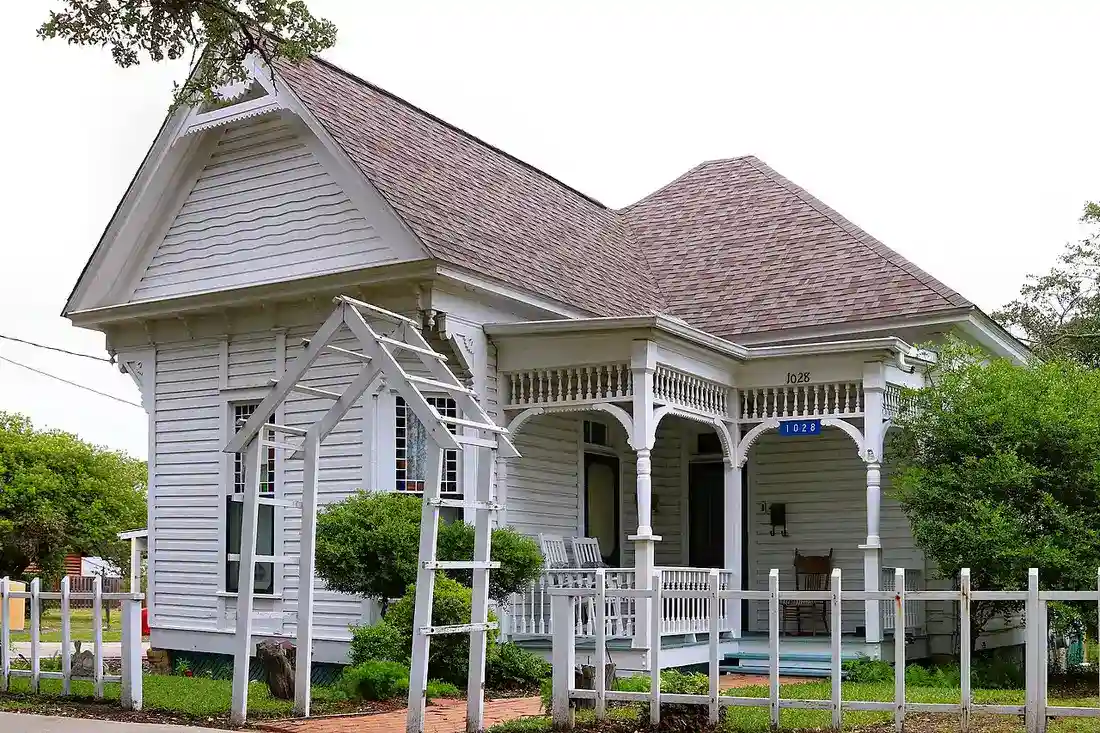
Rockport is the Aransas County art-and-fishing town under the wind-bent live oaks - Rockport Beach, the harbor and the festival grounds, rebuilt extensively since Hurricane Harvey made landfall here in 2017.
The details of the neighborhood matter for this work. Coastal homes under live oak canopy, older cottages and post-Harvey rebuilds, many of them second homes - and that shapes the pest work directly. Oak canopy carries roof rats to the rooflines, and second homes standing empty invite rodents and palmetto bugs. For wildlife removal in Rockport, the entry points here are the real job; the animal is just the symptom.
Signs Rockport Homes Need Wildlife Removal
Guano under an eave or gable
Bat droppings collecting below a roost gap, with squeaking at dusk, mean a maternity colony may be in the structure - a job with legal seasons attached.
Grackles and pigeons roosting on the structure
Persistent roosting fouls roofs, entries and AC units - and the droppings load is a sanitation problem, not just noise.
A musky smell and scratching under the house
Opossums and skunks denning under pier-and-beam homes announce themselves with odor and nighttime digging at the skirt boards.
Why This Problem Runs in Rockport
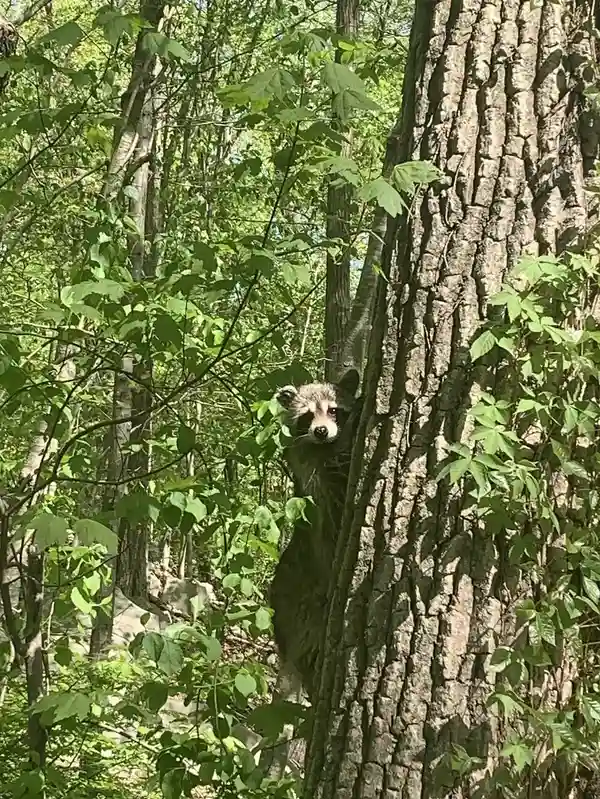
Raccoons are the attic tenants of the coast: strong, dexterous, and drawn to the same dry, quiet voids roof rats want, at three times the size. A female with kits in spring is a removal with a family plan - kits must come out with the mother or the job is not done.
Oak canopy carries roof rats to the rooflines, and second homes standing empty invite rodents and palmetto bugs. Salt-marsh mosquitoes are a way of life, termites work the older cottages, and raccoons patrol the harbor-side trash.
In Rockport, that plays out street by street - and the exclusion work, done to a written list, is what makes the eviction permanent. The Rockport file, in one line: know the water, know the gaps, and the pest list shortens itself.
Fall's second wave arrives with the late-season storms. Flooded low ground sends ants floating, roaches climbing and rodents looking for high, dry harborage - garages, attics and wall voids. As the fronts cool the nights, spiders move to sheltered walls and window frames and stored summer gear carries hitchhikers in both directions. The fall habit that pays most is the fifteen-minute walk - vents, gaps, woodpiles, stored boxes - done before the first norther rather than after the first scratching sound.
What a good visit looks like: the technician arrives with the right equipment for the pest you described, inspects before treating, and treats the source - the colony, the nest, the void, the entry - rather than the symptom you happened to see. Anything that needs a follow-up is scheduled before they leave.
The practical read for Rockport this season: check the water, check the gaps, and let the service rhythm do the rest.
One more preparation that matters on the coast: tell the office about your irrigation schedule and any pool or fountain on the lot. Water timing shapes treatment timing more than most homeowners expect.

How Wildlife Removal Works in Rockport
The main Wildlife Removal page carries the complete method for this service, step by step. What changes in Rockport is the map it runs on: the water and entries around Rockport Beach and the harbor, the construction era of the blocks involved, and the pressure the neighborhood's edges keep supplying between visits. The service overview is at the Wildlife Removal page.
The Rockport Angle
Ask anyone who services Rockport and they will tell you the pattern repeats: pressure builds at the edges, then follows water and shelter toward the houses. Construction here decides the entry map. Coastal homes under live oak canopy, older cottages and post-Harvey rebuilds, many of them second homes.
The creatures complete the picture. Oak canopy carries roof rats to the rooflines, and second homes standing empty invite rodents and palmetto bugs. Salt-marsh mosquitoes are a way of life, termites work the older cottages, and raccoons patrol the harbor-side trash. The result, when the work follows the map, is a quieter house and a shorter list of surprises next season.
Rockport does not sit alone on the map. It trades pest pressure daily with Fulton, Aransas Pass and Ingleside - the same creeks, corridors and commutes connect them, and the same seasonal pushes move through all of them within the same few weeks. The neighborhoods lean on each other here: pressure relieved in one is pressure reduced in all of them.
On the route map, Rockport sits in the coastal bend community group, ZIP 78382 - close enough to Fulton, Aransas Pass that crews work them on the same runs. That loop is why a single call on this route often answers the neighbors' unasked questions too: the pattern rarely belongs to one house. Which means wildlife removal here is scheduled with the neighborhood's pattern in mind, not dropped into it cold.
There is a short version of the Rockport file that crews actually use: start at Rockport Beach and the harbor, read the streets toward Fulton, Aransas Pass, Ingleside, Portland, check the water and the rooflines, and let the coastal bend community character of the neighborhood rank the pest list before a single product comes out.
Prevention That Helps in Rockport
- Treat the grub load in lawns where armadillos trench nightly.
- Bring pet food indoors at night - outdoor feeding is wildlife catering.
- Keep garbage in lidded, latched cans; raccoon hands defeat loose lids.
Coastal homes under live oak canopy, older cottages and post-Harvey rebuilds, many of them second homes.
Keep Exploring
Wildlife Removal nearby:
- Wildlife Removal in Fulton
- Wildlife Removal in Aransas Pass
- Wildlife Removal in Ingleside
- Wildlife Removal in Portland
More services in Rockport:
- Cockroach Control in Rockport
- Flea & Tick Control in Rockport
- Termite Inspection in Rockport
- Commercial Pest Control in Rockport
See the full pest control page for Rockport and the Wildlife Removal overview for Corpus Christi.
Wildlife Removal in Rockport - Questions
There are bats in my Rockport eave - what happens now?
First, identification and season. If it is maternity season, Texas-protected pups cannot fly, and exclusion waits until they can - the colony is monitored, not sealed in. Outside that window, one-way exits let the colony leave and the gaps are sealed behind them.
Can armadillos in Rockport be stopped?
Armadillos are managed, not eradicated from a neighborhood: grub treatment reduces the food, fencing buried at the garden edge redirects the digging, and persistent individuals can be trapped. A lawn in armadillo country gets a system, not a single visit.
What happens after a Wildlife Removal visit in Rockport?
You get the findings in plain language - what was found, what was treated, what was sealed and what to watch - plus the prevention list for your side and the follow-up timing if the pest's biology calls for one. The goal is a quiet house and no surprises.
Palmetto Bugs After the Rain, Scratches in the Attic or Bites in the Night?
One call connects you with a pest control professional serving Corpus Christi and the Coastal Bend - inspection, treatment, exclusion and prevention.
📞 Call Now