
Flea & Tick Control in Fulton
Flea & Tick Control for Fulton homes - local conditions, a clear process, and one call to get it started.
Every flea & tick control call in Fulton opens the same way: read the block, then read the house.
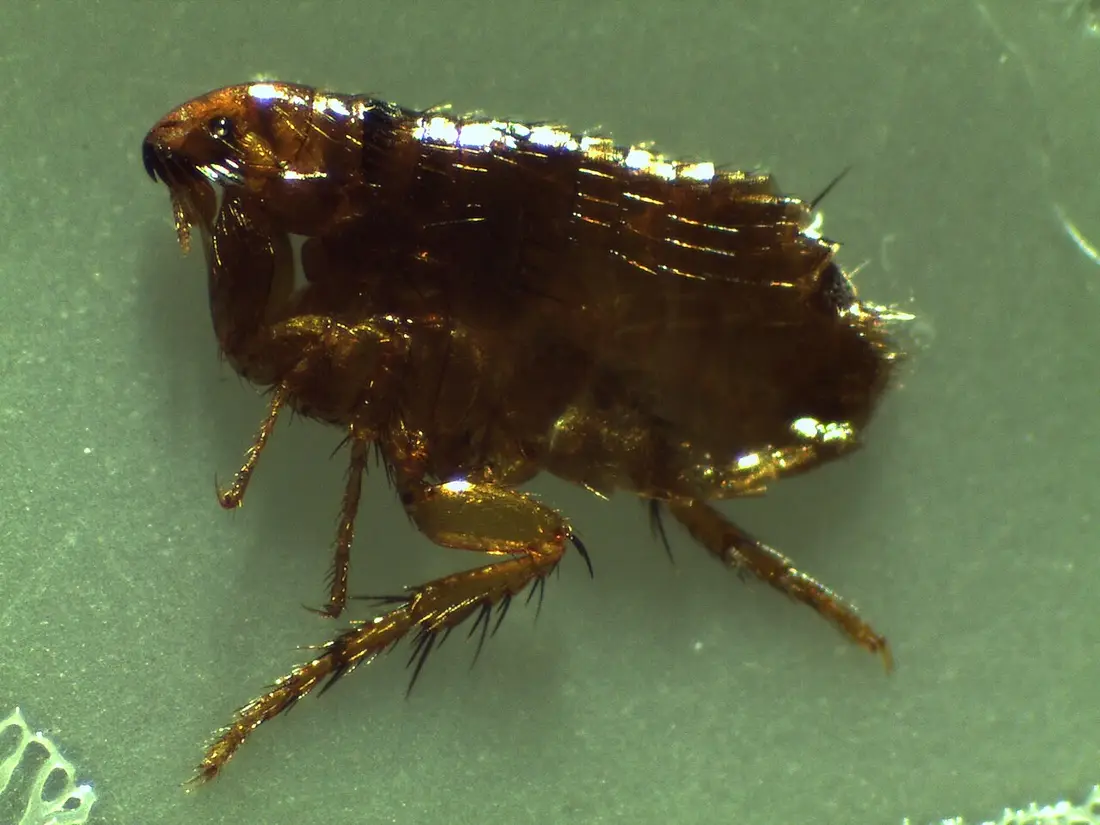
Flea control in Fulton is a four-front war that homeowners usually fight on one. The adults on the pet are the visible front - and the smallest, perhaps five percent of the population. The eggs, larvae and pupae in the carpet, bedding and shaded yard soil are the other ninety-five.
Fulton is Rockport's small twin town up the shore - the Fulton Mansion state historic site, a working harbor of oyster and fishing boats, and quiet streets of coastal homes under the oaks.
The details of the neighborhood matter for this work. Small-town coastal homes, cottages and harbor-side housing, much of it shaded by old live oaks - and that shapes the pest work directly. The harbor keeps rodents and roaches supplied, the oaks keep roof rats mobile, and the marsh keeps mosquitoes stocked after every tide and rain. For flea & tick control in Fulton, house, yard and pet have to be handled together here or the cycle restarts.
Signs Fulton Homes Need Flea & Tick Control
White-sock test positive
Walking the yard or room in white socks and picking up fleas on your ankles maps the hot zones in minutes.
Pets scratching through treatments
Pets that keep scratching weeks into a product routine usually face an environment still hatching pupae, not a failed product.
Fleas after a vacancy
A house or rental that sat empty and erupts with fleas when people return is the pupal window announcing itself - they waited for vibration and body heat.
Why This Problem Runs in Fulton
The flea life cycle is the strategy. Eggs rain off the pet into carpet, bedding and yard shade. Larvae develop in those protected spots feeding on adult flea dirt. Pupae spin cocoons that shrug off treatment and wait - weeks or months - for the vibration and warmth of a host. Control has to be timed to outlast the pupal window, not to kill the adults you can see.
The harbor keeps rodents and roaches supplied, the oaks keep roof rats mobile, and the marsh keeps mosquitoes stocked after every tide and rain. Palmetto bugs, fire ants and termites round out the standing coastal list.
In Fulton, that plays out street by street - and the pupal window means the follow-up rhythm matters as much as the first treatment. On the Fulton run, crews read the water first - it is the fastest route to the truth in this neighborhood.
Fall's second wave arrives with the late-season storms. Flooded low ground sends ants floating, roaches climbing and rodents looking for high, dry harborage - garages, attics and wall voids. As the fronts cool the nights, spiders move to sheltered walls and window frames and stored summer gear carries hitchhikers in both directions. The fall habit that pays most is the fifteen-minute walk - vents, gaps, woodpiles, stored boxes - done before the first norther rather than after the first scratching sound.
Expect the findings to be specific: this vent, that pipe gap, the harborage behind the refrigerator, the trail line along the fence. Vague findings produce vague results. A visit that ends with a map - of entries, of evidence, of what gets treated and what gets sealed - is a visit that was worth booking, whatever the pest turns out to be.
The turning season rearranges harborage in Fulton: what sheltered pests outdoors in the last season pushes them toward foundations, vents and rooflines in this one.
Do not spray before the visit. Fresh over-the-counter product scatters evidence, contaminates bait placements and can turn a one-visit diagnosis into two. Photograph what you see instead - a phone photo is the most useful thing you can hand a technician.

How Flea & Tick Control Works in Fulton
Read the main Flea & Tick Control page for the full process; this page exists because the process lands differently in Fulton. The sequence is the same - inspect, treat, seal, follow up - but the findings it produces follow this neighborhood's water, housing and harborage, street by street from the Fulton Mansion and the Fulton harbor outward. The service overview is at the Flea & Tick Control page.
The Fulton Angle
Ask anyone who services Fulton and they will tell you the pattern repeats: pressure builds at the edges, then follows water and shelter toward the houses. Construction here decides the entry map. Small-town coastal homes, cottages and harbor-side housing, much of it shaded by old live oaks.
The pest side of the equation is just as local. The harbor keeps rodents and roaches supplied, the oaks keep roof rats mobile, and the marsh keeps mosquitoes stocked after every tide and rain. Palmetto bugs, fire ants and termites round out the standing coastal list. A proper flea & tick control call in Fulton therefore starts with reading - the water, the entries, the evidence - and only then moves to treatment.
Fulton does not sit alone on the map. It trades pest pressure daily with Rockport, Aransas Pass and Ingleside - the same creeks, corridors and commutes connect them, and the same seasonal pushes move through all of them within the same few weeks. That shared geography is the argument for local pages and local visits - the map is the method.
On the route map, Fulton sits in the coastal bend community group, ZIP 78382 - close enough to Rockport, Aransas Pass that crews work them on the same runs. The run is planned as a loop, not a line - houses on the same blocks share findings, and a gap found on one street re-opens the checklist for the next. Which means flea & tick control here is scheduled with the neighborhood's pattern in mind, not dropped into it cold.
The details that decide outcomes in Fulton are local ones: which side of the Fulton Mansion and the Fulton harbor the call comes from, how the blocks toward Rockport, Aransas Pass, Ingleside, Portland drain, and what a coastal bend community street grid does to shade, runoff and roofline access in ZIP 78382.
Prevention That Helps in Fulton
- Treat the shaded yard zones pets actually use, not just the open lawn.
- Vacuum pet-resting areas several times a week during an outbreak - it is a treatment step, not housekeeping.
- Wash pet bedding in hot water weekly while activity lasts.
Small-town coastal homes, cottages and harbor-side housing, much of it shaded by old live oaks.
Keep Exploring
Flea & Tick Control nearby:
- Flea & Tick Control in Rockport
- Flea & Tick Control in Aransas Pass
- Flea & Tick Control in Ingleside
- Flea & Tick Control in Portland
More services in Fulton:
- Emergency Pest Control in Fulton
- Wildlife Removal in Fulton
- Mosquito Control in Fulton
- Cockroach Control in Fulton
See the full pest control page for Fulton and the Flea & Tick Control overview for Corpus Christi.
Flea & Tick Control in Fulton - Questions
Why do fleas in Fulton keep coming back after I treat?
The pupal window. Cocoons resist treatment and hatch in waves for weeks, releasing new adults onto a treated pet and floor where they die - but to the eye it looks like failure. Programs are judged at the end of the hatch window, not in the middle of it.
How long does flea control take in Fulton?
Most homes turn the corner in two to four weeks and verify clear by six to eight, depending on the starting load and how completely the pet program and vacuuming rhythm are kept. Vacant-then-occupied rentals are the slow cases, because the pupae all hatch at once.
How is Flea & Tick Control priced for a home in Fulton?
By the finding, not the address: what the inspection confirms, how much of the home is involved, and what the sealing or follow-up list looks like. You approve the scope and the number before any work begins, and the written quote is the number the work follows.
Palmetto Bugs After the Rain, Scratches in the Attic or Bites in the Night?
One call connects you with a pest control professional serving Corpus Christi and the Coastal Bend - inspection, treatment, exclusion and prevention.
📞 Call Now