Flea & Tick Control in Robstown
Robstown is the Nueces County farm town west of Calallen - the Cotton Picker hometown, an old railroad and cotton-gin center ringed by some of the richest farm land in South Texas.
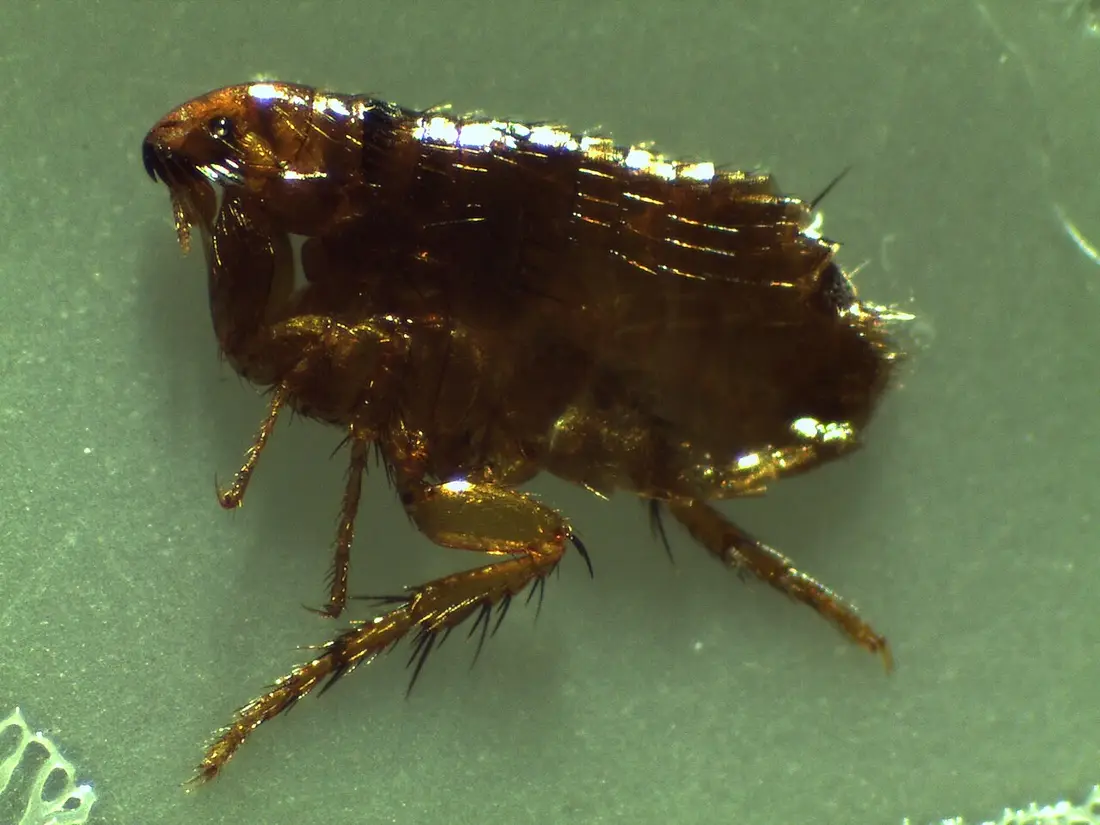
Flea and tick control for Corpus Christi homes and yards - the four-front flea cycle in a climate with no winter off-switch, plus brown dog ticks in kennels, fences and walls.
Corpus Christi homeowners learn the pattern fast: palmetto bugs after a rain, fire ant mounds the morning after a storm, mosquitoes whenever the wind drops, and roof rats in the palms and oaks all year. Pest control here is not a one-time event; it is a rhythm matched to the Gulf Coast year.
The city itself adds pressure. Corpus Christi is the Nueces County seat and the Coastal Bend's hub, with neighborhoods that range from 1900s blocks near the bayfront to subdivisions still being framed at the brush-country edge - and every era of housing has its own pest profile, from drywood termites in old eaves to field rodents at the construction frontier.
Black pepper-like specks in the pet's coat that turn reddish-brown on wet paper are flea droppings - the receipt of an active population.
Itchy bites at ankles and waistlines after time on carpet or in the yard are fleas feeding where they can reach.
Walking the yard or room in white socks and picking up fleas on your ankles maps the hot zones in minutes.
Ticks climbing walls, curtains or kennel corners indoors are brown dog ticks - the species that completes its whole life inside structures.
Pets that keep scratching weeks into a product routine usually face an environment still hatching pupae, not a failed product.
A house or rental that sat empty and erupts with fleas when people return is the pupal window announcing itself - they waited for vibration and body heat.
The flea life cycle is the strategy. Eggs rain off the pet into carpet, bedding and yard shade. Larvae develop in those protected spots feeding on adult flea dirt. Pupae spin cocoons that shrug off treatment and wait - weeks or months - for the vibration and warmth of a host. Control has to be timed to outlast the pupal window, not to kill the adults you can see.
Outdoors, the cycle lives in the shaded, humid microclimate under porches, along fences and beneath shrubs where pets rest - not in the sunny open lawn. Corpus Christi's humidity stretches that habitat across most of the yard for most of the year.
Brown dog ticks are the structure species: they feed on dogs at every stage, hide in kennel cracks, baseboards and fence tops, and can complete generations indoors without ever touching grass. Lone star and Gulf Coast ticks work the opposite territory - brush, tall grass and the acreage edges - and quest onto anything warm that passes.
A Corpus Christi winter is a pause, not a reset. A hard freeze is a rare guest, so roaches keep breeding in heated buildings, rodents that got in stay in, and garage black widows stay active. Winter is project season: exclusion, moisture fixes, termite inspections and the prep that sets up spring.
Summer is peak pest season on the Coastal Bend. Salt-marsh mosquitoes hatch by the millions after high tides and rains, palmetto bugs ride the drains into ground floors, German roaches breed at top speed in hot kitchens, and fire ants forage around the clock. Exterior service in summer is what holds the line.
Fall keeps the pressure on and adds the hurricane-season tail: late storms drop the year's heaviest rain, flooding pushes rodents, ants and wildlife out of low ground and into structures, and the first cool fronts send roof rats shopping for attic space. Fall is sealing season - the work done before the holidays is the work that holds through winter.
Flea control is a four-front war that homeowners usually fight on one. The adults on the pet are the visible front - and the smallest, perhaps five percent of the population. Eggs rain off the pet into carpet and bedding, larvae develop in those fibers feeding on adult flea dirt, and pupae wait in cocoons that resist treatment for months, hatching in waves when vibration announces a host. Yards contribute the outdoor front, where shaded soil under porches and along fence lines hosts the cycle between pets.
That biology dictates the strategy: the pet's veterinarian-handled program breaks the breeding cycle, the home treatment suppresses the indoor fronts, and the follow-up rhythm outlasts the pupal window. Skipping any front restarts the war on the remaining ones. Corpus Christi's mild winters never fully end the outdoor season, which is why flea problems here smolder instead of concluding.
Choose the program that treats your pet, your carpet and your yard as one system and schedules against the pupal window. A single-visit promise against a four-stage life cycle is arithmetic that does not work.
None of this works as a one-time event, and Corpus Christi is the reason. A treatment buys a result measured in weeks; a rhythm buys a result measured in seasons. The Gulf does not do pest truces - it does pest schedules, and the homes that stay quiet are the ones whose schedule is steadier than the weather's. That is the honest frame for every service on this page: the first visit changes the finding, the rhythm is what keeps it changed, and the inspection notes from each visit are how the rhythm learns your house instead of treating a stranger's.
Corpus Christi sits on the western Gulf of Mexico where the bay meets the brush country, and its climate writes the pest calendar: long, hot, humid summers, winters so mild that most pests never fully stop, and rain that arrives in tropical downpours instead of gentle weeks. Nothing here gets a killing freeze most years, so pest populations build on each other season after season.
Water is the engine, and this city runs on it. Corpus Christi Bay, Oso Creek, the Nueces River, the Laguna Madre and thousands of irrigated lawns keep moisture in every neighborhood, and where there is constant water and constant warmth there are constant pests - mosquitoes off every low spot, roaches in every warm drain, termites in every damp foundation line.
House, yard and pet are inspected together - the pet's resting spots, the shaded yard zones, the rooms with bites - because the plan has to cover all three.
The pet goes on a veterinarian-approved flea and tick program, which turns the animal from breeding habitat into a trap for the population.
Indoor resting areas and the shaded outdoor cycle zones are treated with growth-regulator-backed products aimed at eggs and larvae, not just adults.
Follow-up timing and vacuuming - vibration hatches pupae into treated zones - carry the program until the hatching runs dry and the monitors stay clean.
Flea and tick prevention is a rhythm, not an event - the pet program, the vacuuming, the yard edges - kept through the whole warm season and most of the mild one.
The communities around Corpus Christi share its pest calendar - with their own twists.
Robstown is the Nueces County farm town west of Calallen - the Cotton Picker hometown, an old railroad and cotton-gin center ringed by some of the richest farm land in South Texas.
Gregory is the small San Patricio County town between Portland and Ingleside, sitting above the bay's north shore next to some of the Gulf Coast's biggest industrial plants.
Portland is the fast-growing bayfront city across the harbor from downtown - subdivisions and schools on the bluff above Corpus Christi Bay, with Sunset Lake Park on its shore and wide-open views across the bay.
Ingleside is the San Patricio County bay town under the live oaks - a small-city mix of older neighborhoods, new subdivisions and plant-corridor growth between Portland and Aransas Pass.
Across the bayfront and the north side - Downtown Corpus Christi, North Beach, Uptown Corpus Christi, Midtown, Bayside and Central Corpus Christi, Westside, Bay Area, Lamar Park, South Side - the housing runs from historic bayfront blocks to established family neighborhoods, and flea & tick control follows the construction: older wood, mature palms and creek-corridor greenery in the established districts, marsh-edge pressure toward the bay.
The south and west of the city - Saratoga Area, King's Crossing, Southeast Corpus Christi, London Area, Flour Bluff, Padre Island and Mustang Island, Calallen, Annaville, Tuloso-Midway, Northwest Corpus Christi - hold the city's fastest-growing subdivisions, its apartment corridors and the island communities, which together make this the steadiest flea & tick control territory in Corpus Christi.
Beyond the city line, the same work runs in Robstown, Gregory, Portland, Ingleside, Aransas Pass, Rockport, Fulton - Coastal Bend communities wrapped in marsh, brush country and working waterfront, where the water and the weather drive pest pressure as much as the housing does. Every one of these area pages carries the local detail for flea & tick control in that community.
Every area we serve has its own Flea & Tick Control page with local detail.
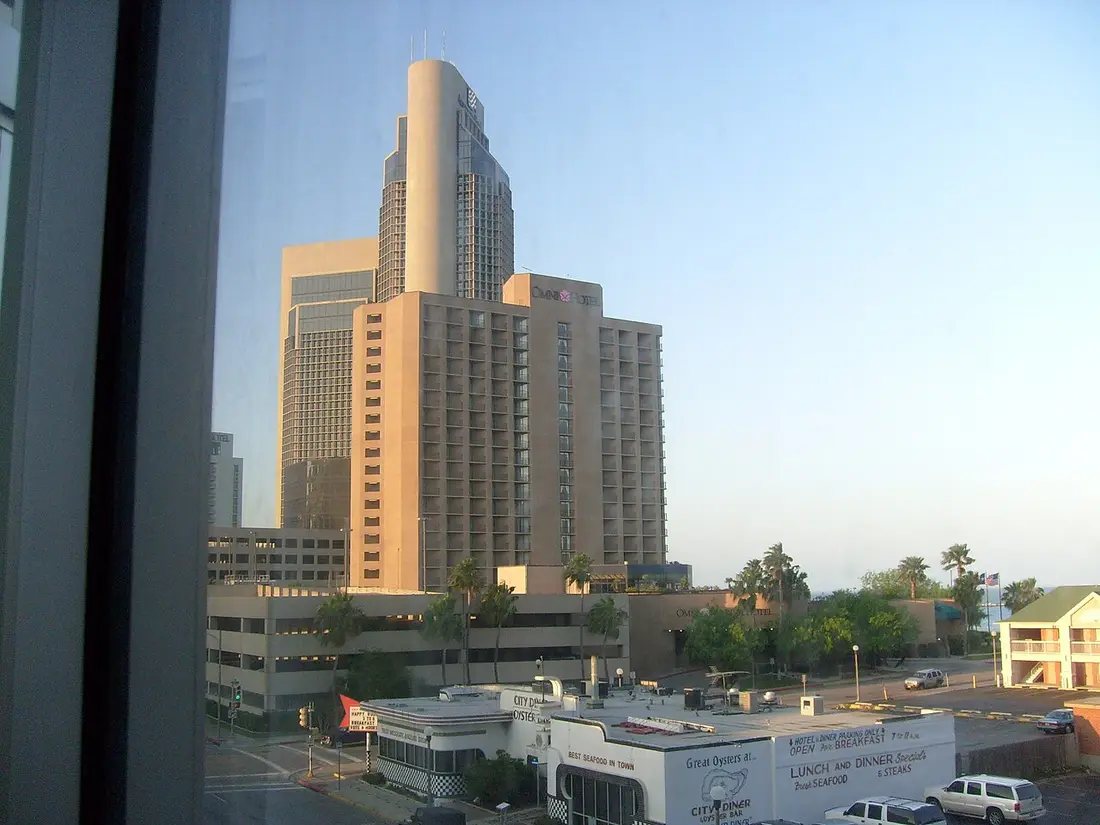 Downtown Corpus Christi
 North Beach
 Uptown Corpus Christi
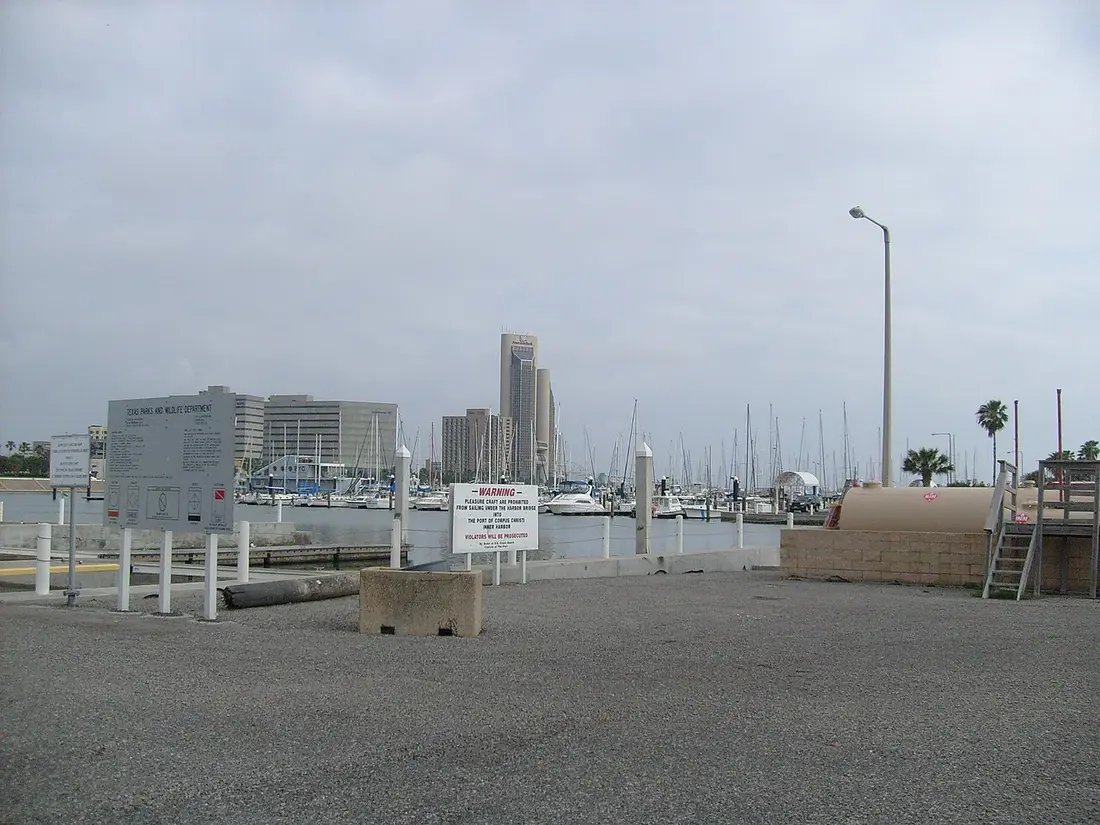 Midtown
 Bayside
 Central Corpus Christi
 Westside
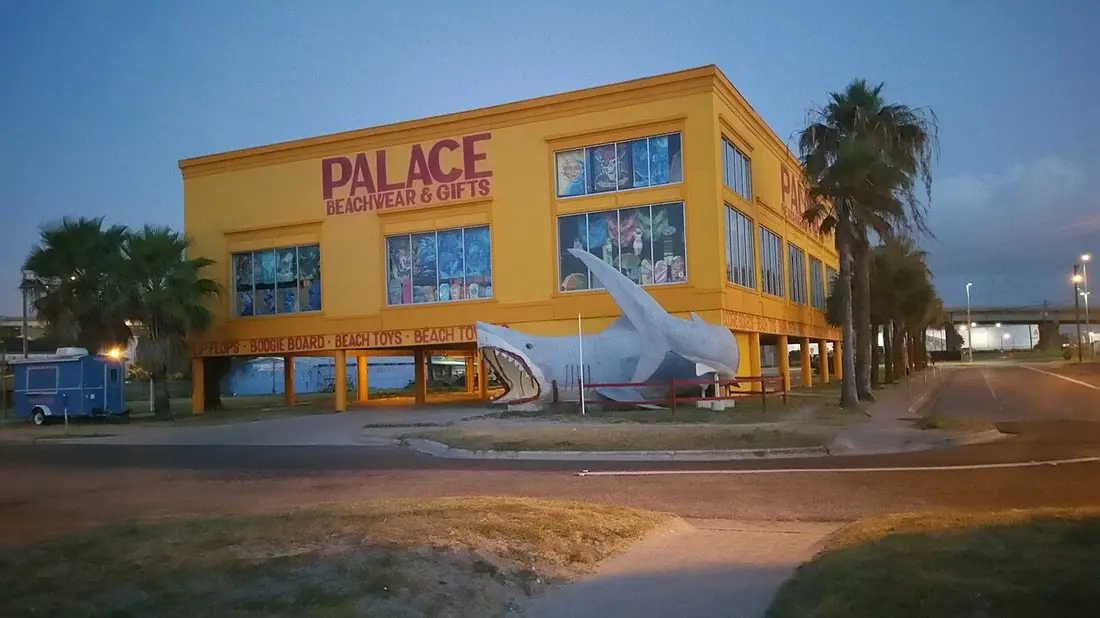 Bay Area
Flea & Tick Control runs across the whole service map: the bayfront districts of Downtown Corpus Christi, North Beach, Uptown and Bayside; Midtown, Lamar Park and the Bay Area; the South Side, Saratoga and Kings Crossing corridors; Flour Bluff, Padre Island and Mustang Island; Calallen, Annaville, Tuloso-Midway and the Northwest; and the Coastal Bend communities of Robstown, Gregory, Portland, Ingleside, Aransas Pass, Rockport and Fulton. One call covers all of it - the local pages above carry the detail for each. If your street is not named here, call anyway: routes grow with demand, and most Coastal Bend addresses are already within reach of a scheduled run.
Treatment fails on preparation, not chemistry - the prep list is the program's first and most important visit. Declutter the treatment zone, hot-launder the textiles, encase the mattresses, and change nothing until the plan says so.
Read the GuideFire ant mounds are the chimneys of colonies that run deep and wide; surface kills leave the queens untouched. Bait the colony on its foraging schedule, treat satellite mounds directly, and hold the yard rhythm all warm season.
Read the GuidePalmetto bug floods after rain, in drains and at porch lights all summer. Keep the population outside: control the yard harborage, screen the crossings, service the drains.
Read the GuideBrown dog ticks lead the list - the structure and kennel species. Lone star ticks work the brush and acreage edges, Gulf Coast ticks appear on dogs and livestock country, and American dog ticks show up in grassy areas. Identification matters because their habitats, and therefore the treatments, differ.
Warm months are peak, but the season never fully closes - mild winters keep yard cycles alive and heated homes keep indoor ones going. Year-round pet prevention is the local standard, not a marketing extra.
For a while - pupae wait out vacancies and hatch for the next occupant or their pet. Long-term, fleas need animal blood meals; wildlife in the attic or under the house can keep a cycle alive, which is why stubborn cases get a wildlife check too.
Walk the suspect area slowly in tall white socks. Fleas jump to the ankles and show clearly against the white - a two-minute diagnostic that maps where the population concentrates better than a week of guessing.
The pupal window. Cocoons resist treatment and hatch in waves for weeks, releasing new adults onto a treated pet and floor where they die - but to the eye it looks like failure. Programs are judged at the end of the hatch window, not in the middle of it.
If your pets use the yard, the yard is a front: shaded zones under porches and along fences run the cycle outdoors. Indoor-only programs in this climate usually stall at 'better but never gone.'
Ticks in Texas can carry ehrlichiosis, Rocky Mountain spotted fever and other illnesses for dogs and people, and lone star tick bites are linked to red-meat allergy in some people. The practical answer is prevention - pet programs, yard edge management and body checks after brush time.
Most homes turn the corner in two to four weeks and verify clear by six to eight, depending on the starting load and how completely the pet program and vacuuming rhythm are kept. Vacant-then-occupied rentals are the slow cases, because the pupae all hatch at once.
One call connects you with a pest control professional serving Corpus Christi and the Coastal Bend - inspection, treatment, exclusion and prevention.
📞 Call Now