Pest Inspection in Robstown
Robstown is the Nueces County farm town west of Calallen - the Cotton Picker hometown, an old railroad and cotton-gin center ringed by some of the richest farm land in South Texas.
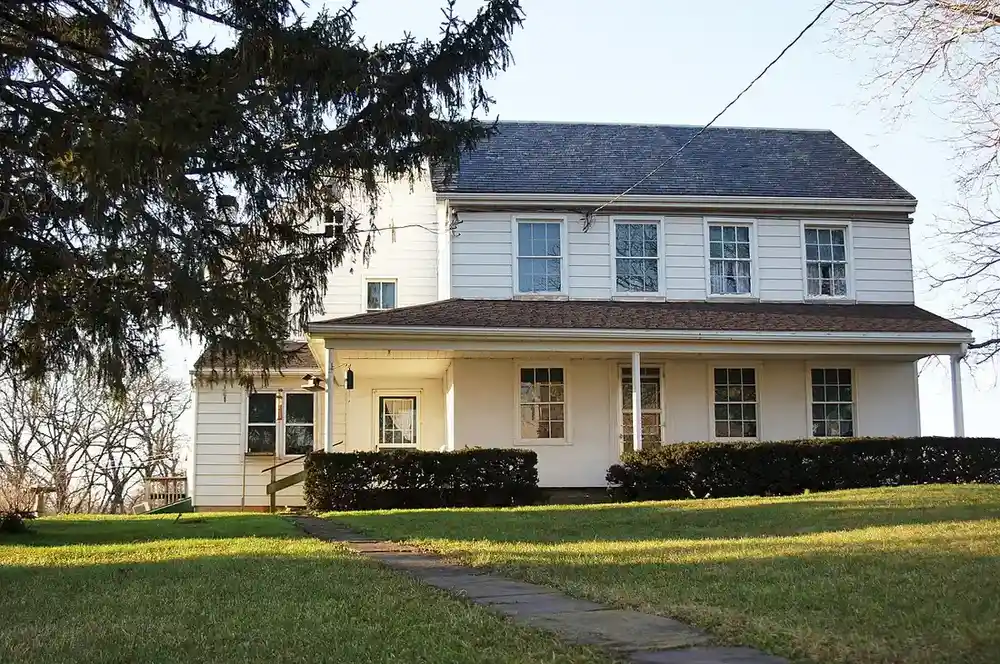
Pest inspections for Corpus Christi homes and businesses - a documented walk of entries, harborage and evidence that turns pest guessing into a priced, planned list.
Corpus Christi homeowners learn the pattern fast: palmetto bugs after a rain, fire ant mounds the morning after a storm, mosquitoes whenever the wind drops, and roof rats in the palms and oaks all year. Pest control here is not a one-time event; it is a rhythm matched to the Gulf Coast year.
The city itself adds pressure. Corpus Christi is the Nueces County seat and the Coastal Bend's hub, with neighborhoods that range from 1900s blocks near the bayfront to subdivisions still being framed at the brush-country edge - and every era of housing has its own pest profile, from drywood termites in old eaves to field rodents at the construction frontier.
Droppings, skins, frass or damage that does not match a pest you know deserves a professional identification before any treatment money moves.
A documented pest inspection at a transaction protects both sides - and catches the attic and crawl space stories a showing never tells.
Attic and wall noises without visible pests are an identification problem first; the treatment for rats, raccoons and squirrels shares almost nothing.
When a pest keeps 'coming back,' the inspection usually finds the missed source - the untreated harborage, the open entry, the wrong species.
Vacant homes and rentals concentrate surprises: pupae hatch, rodents settle, colonies grow unobserved. Inspection day is better before move-in day.
Opening walls for a remodel is the worst way to meet a termite colony or a raccoon family; a pre-project inspection prices the surprises first.
The inspection follows the habitat logic of the coast. Moisture points come first - plumbing, AC condensate, roof leaks, irrigation - because they anchor the harborage map. Entry points come second: vents, weep holes, pipe penetrations, eave gaps, the whole thumb-sized-and-larger list.
Evidence is the third pass: droppings sized and placed, rub marks, frass, shed skins, web and sac counts, mound maps. A trained reader dates most of it - fresh versus old, active versus historical - which is the difference between a treatment plan and a scare story.
The structure's type directs the route: pier-and-beam gets the crawl-space pass, slab homes get the penetration map, and every property gets the attic and the exterior envelope. Businesses add drains, docks and dumpsters to the same logic.
Spring on the Gulf Coast is termite season first: warm nights after rain send subterranean swarmers into the air, fire ant colonies push up fresh mounds, and wasp queens start thumb-sized nests under the eaves. Mosquito season starts with the first standing water. It is the inspection season - the month to find problems while they are small.
Summer is peak pest season on the Coastal Bend. Salt-marsh mosquitoes hatch by the millions after high tides and rains, palmetto bugs ride the drains into ground floors, German roaches breed at top speed in hot kitchens, and fire ants forage around the clock. Exterior service in summer is what holds the line.
A Corpus Christi winter is a pause, not a reset. A hard freeze is a rare guest, so roaches keep breeding in heated buildings, rodents that got in stay in, and garage black widows stay active. Winter is project season: exclusion, moisture fixes, termite inspections and the prep that sets up spring.
A pest inspection is a translation exercise of a different kind: sign becomes sentences. Dropping size becomes a species; a rub mark becomes a route; a frass pile becomes a colony's address and age. The inspector's craft is reading evidence that homeowners walk past daily - and knowing which findings are emergencies, which are maintenance, and which are simply the house's history recorded in dust.
Corpus Christi inspections earn their fee most at the margins of transactions and tenancies - the attic the showing skipped, the crawl space the last tenant never mentioned, the wall void a remodel is about to open. An hour of looking, documented, converts the property's pest story from rumor to record, and every later decision - treat, seal, monitor, negotiate - gets easier for being made from the record.
Choose the inspection that produces a document you would be happy to hand a buyer, a tenant or an auditor. If the deliverable is a conversation, you bought a conversation; the map and the severity list are the inspection.
What the rhythm looks like in practice is unglamorous: visits that arrive before the season they protect against, notes that compare this inspection to the last one, small seals and small corrections made while they are still small. Corpus Christi homes on that rhythm rarely meet the dramatic version of any pest on this page. They meet the early version - a tube, a trail, a single wasp paper umbrella in April - and the early version is always the smaller, unremarkable one.
Corpus Christi sits on the western Gulf of Mexico where the bay meets the brush country, and its climate writes the pest calendar: long, hot, humid summers, winters so mild that most pests never fully stop, and rain that arrives in tropical downpours instead of gentle weeks. Nothing here gets a killing freeze most years, so pest populations build on each other season after season.
Water is the engine, and this city runs on it. Corpus Christi Bay, Oso Creek, the Nueces River, the Laguna Madre and thousands of irrigated lawns keep moisture in every neighborhood, and where there is constant water and constant warmth there are constant pests - mosquitoes off every low spot, roaches in every warm drain, termites in every damp foundation line.
Entries, harborage, moisture and pest sign around the full perimeter, from the roofline to the fence line.
Kitchens, baths, plumbing walls, attic and crawl space - the voids where the evidence lives.
Every finding is identified to species where the sign allows, and located on a written property map with severity.
You receive findings, the corrective sequence, what the scope of each item involves, and what can wait - a plan, not a pitch.
Between inspections, these habits keep the property readable and the findings small - the simplest pest program a property can run.
The communities around Corpus Christi share its pest calendar - with their own twists.
Robstown is the Nueces County farm town west of Calallen - the Cotton Picker hometown, an old railroad and cotton-gin center ringed by some of the richest farm land in South Texas.
Gregory is the small San Patricio County town between Portland and Ingleside, sitting above the bay's north shore next to some of the Gulf Coast's biggest industrial plants.
Portland is the fast-growing bayfront city across the harbor from downtown - subdivisions and schools on the bluff above Corpus Christi Bay, with Sunset Lake Park on its shore and wide-open views across the bay.
Ingleside is the San Patricio County bay town under the live oaks - a small-city mix of older neighborhoods, new subdivisions and plant-corridor growth between Portland and Aransas Pass.
Across the bayfront and the north side - Downtown Corpus Christi, North Beach, Uptown Corpus Christi, Midtown, Bayside and Central Corpus Christi, Westside, Bay Area, Lamar Park, South Side - the housing runs from historic bayfront blocks to established family neighborhoods, and pest inspection follows the construction: older wood, mature palms and creek-corridor greenery in the established districts, marsh-edge pressure toward the bay.
The south and west of the city - Saratoga Area, King's Crossing, Southeast Corpus Christi, London Area, Flour Bluff, Padre Island and Mustang Island, Calallen, Annaville, Tuloso-Midway, Northwest Corpus Christi - hold the city's fastest-growing subdivisions, its apartment corridors and the island communities, which together make this the steadiest pest inspection territory in Corpus Christi.
Beyond the city line, the same work runs in Robstown, Gregory, Portland, Ingleside, Aransas Pass, Rockport, Fulton - Coastal Bend communities wrapped in marsh, brush country and working waterfront, where the water and the weather drive pest pressure as much as the housing does. Every one of these area pages carries the local detail for pest inspection in that community.
Every area we serve has its own Pest Inspection page with local detail.
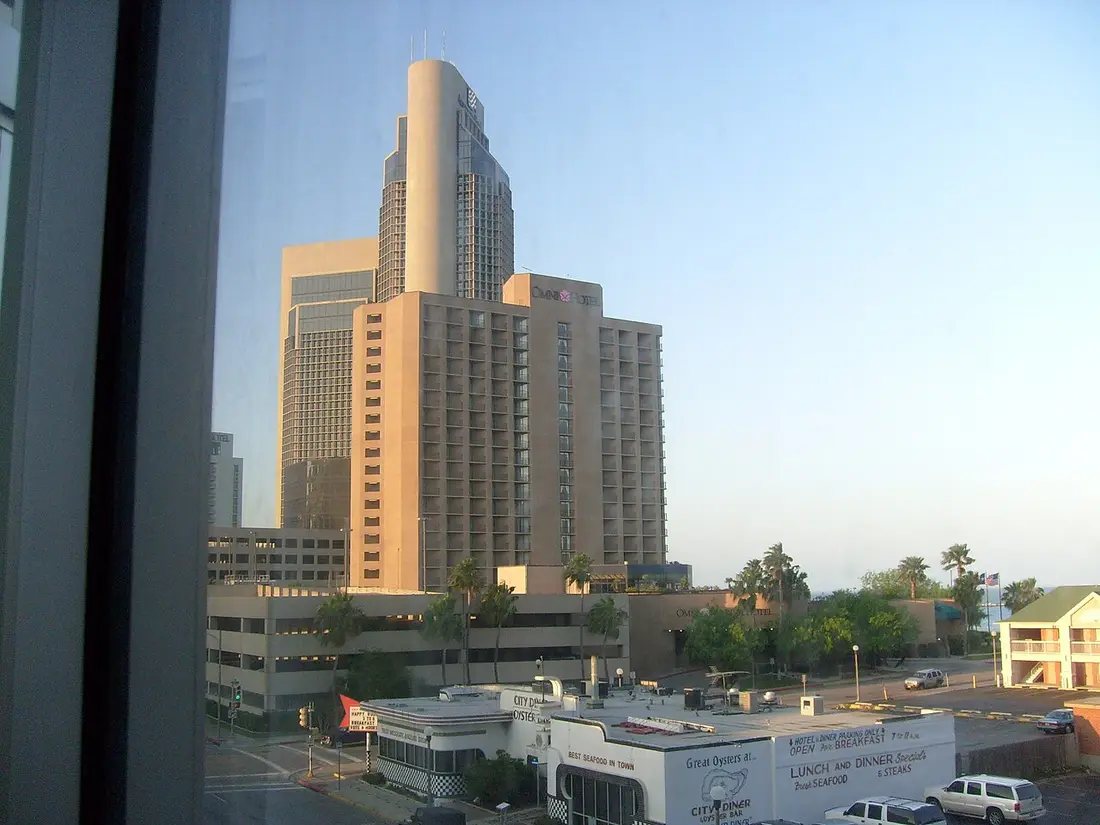 Downtown Corpus Christi
 North Beach
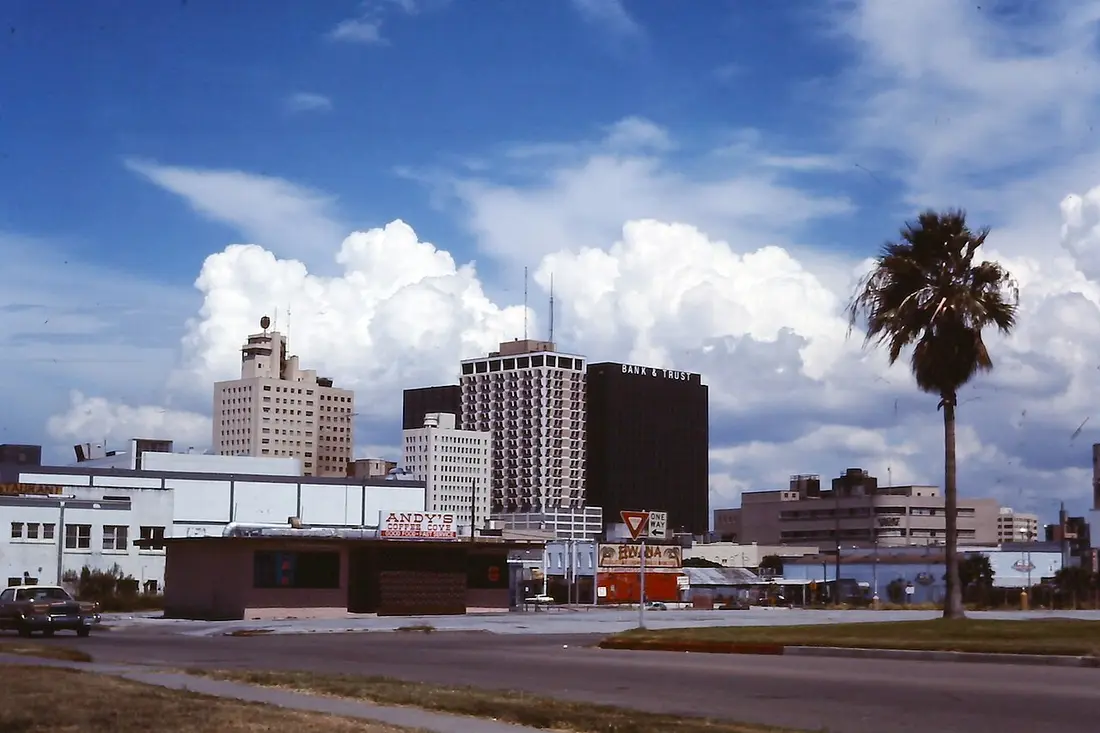 Uptown Corpus Christi
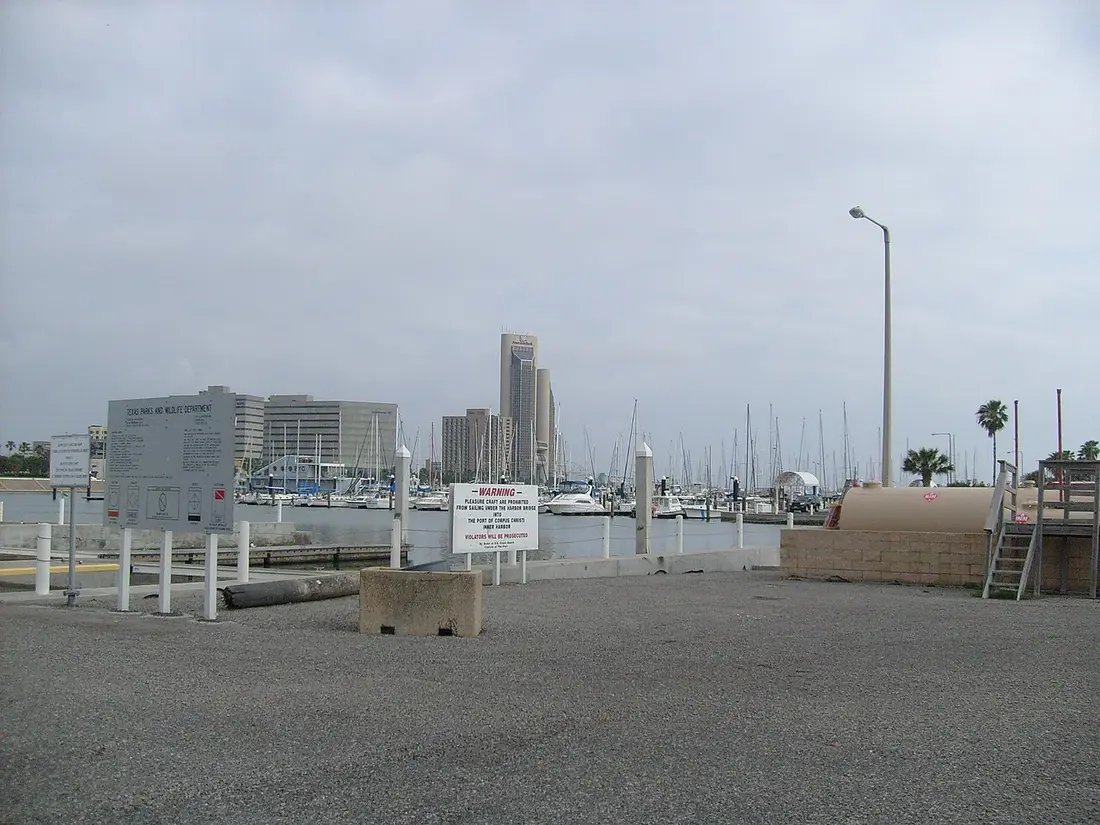 Midtown
 Bayside
 Central Corpus Christi
 Westside
 Bay Area
Pest Inspection runs across the whole service map: the bayfront districts of Downtown Corpus Christi, North Beach, Uptown and Bayside; Midtown, Lamar Park and the Bay Area; the South Side, Saratoga and Kings Crossing corridors; Flour Bluff, Padre Island and Mustang Island; Calallen, Annaville, Tuloso-Midway and the Northwest; and the Coastal Bend communities of Robstown, Gregory, Portland, Ingleside, Aransas Pass, Rockport and Fulton. One call covers all of it - the local pages above carry the detail for each. If your street is not named here, call anyway: routes grow with demand, and most Coastal Bend addresses are already within reach of a scheduled run.
Storms relocate pests wholesale: upward, inward and into the driest structure on the street - yours. Proof before the season, seal before the storm, and run the brood-and-damage plan in the first week after.
Read the GuideRoof rats commute from palms and oaks into attics along branches, wires and fences - an aerial problem with an aerial solution. Cut the bridges, clear the canopy food, then trap inside and seal the entries in that order.
Read the GuideTreatment fails on preparation, not chemistry - the prep list is the program's first and most important visit. Declutter the treatment zone, hot-launder the textiles, encase the mattresses, and change nothing until the plan says so.
Read the GuideYes. A termite inspection documents wood-destroying insects to the standard Texas real estate uses. A general pest inspection covers the whole pest picture - species, harborage, entries and conditions. Transactions often order both; homeowners usually start with the general.
Provide access: attic hatch reachable, crawl space entry clear, pets secured, and your evidence - photos, the rooms, the sounds and their schedule - ready to describe. Evidence preserved beats evidence cleaned.
Yes - evidence outlives activity. Old frass, historical droppings, sealed-over damage and harborage conditions are all readable, and the report distinguishes active findings from historical ones rather than inflating either.
It produces the scoped findings from which treatment is quoted accurately - the map is what honest pricing is made of. Ballparks given without the map are the industry's most expensive habit.
The full envelope and interior: entries, harborage, moisture sources and pest evidence - roaches, rodents, ants, spiders, wildlife sign and stored-product pests - identified and mapped. Termite-specific findings are reported, and a dedicated wood-destroying-insect inspection is available when a transaction requires that document.
About an hour for a typical home; longer for crawl spaces, large attics, businesses or heavy evidence. The written report follows the visit rather than being recited at the door.
No. The inspection is a document, not a commitment. Many findings are monitor-level or homeowner-fixable, and the report separates those from the treat-now items. What you do with it, and with whom, is your call.
At purchase or lease signing, at the start of the warm season, after storm or flood events, and whenever evidence appears that you cannot name. Annual is the rhythm most coastal properties settle into.
One call connects you with a pest control professional serving Corpus Christi and the Coastal Bend - inspection, treatment, exclusion and prevention.
📞 Call Now