Commercial Pest Control in Robstown
Robstown is the Nueces County farm town west of Calallen - the Cotton Picker hometown, an old railroad and cotton-gin center ringed by some of the richest farm land in South Texas.
Commercial pest control for Corpus Christi restaurants, rentals, warehouses and offices - documented programs for health inspections, tenant turns and the port-side rodent map.
Corpus Christi homeowners learn the pattern fast: palmetto bugs after a rain, fire ant mounds the morning after a storm, mosquitoes whenever the wind drops, and roof rats in the palms and oaks all year. Pest control here is not a one-time event; it is a rhythm matched to the Gulf Coast year.
The city itself adds pressure. Corpus Christi is the Nueces County seat and the Coastal Bend's hub, with neighborhoods that range from 1900s blocks near the bayfront to subdivisions still being framed at the brush-country edge - and every era of housing has its own pest profile, from drywood termites in old eaves to field rodents at the construction frontier.
German cockroaches in commercial kitchens breed in the same voids as homes - faster, in hotter, wetter rooms that never close.
Rat sign along pallet lines and bay doors means the building envelope, not the traps, is the problem to solve.
Drain flies and house flies at the back door announce the sanitation and drain program's weak points to every inspector.
Recurring complaints across units are a building-level signal - shared plumbing, shared walls, shared harborage - not a series of unlucky tenants.
Webbing and small beetles in flour, grain, pet food or seed storage are a stock-rotation and harborage problem with a pest name.
A pest finding on an inspection report moves pest control from background service to documented corrective action, on a clock.
Commercial kitchens are German cockroach habitat perfected: constant warmth, constant water, food residue in protected voids, and equipment that runs hot around the clock. The program is harborage detail work plus the sanitation gaps only an outside eye catches - the mop sink trap, the soda line chase, the ice machine void.
Warehouses and industrial sites play the rodent game at scale: bay doors stand open, pallets offer harborage in three dimensions, and the surrounding drainage and brush keep Norway rat and roof rat populations supplied. Monitoring lines, not trap counts, run these programs - the trend is the product.
Rentals and multi-family buildings are the shared-wall problem: one unit's German roaches or bed bugs are the building's, whether the lease says so or not. Turnover cleaning and vacancy treatment decide whether a building's pest load trends down or compounds.
A Corpus Christi winter is a pause, not a reset. A hard freeze is a rare guest, so roaches keep breeding in heated buildings, rodents that got in stay in, and garage black widows stay active. Winter is project season: exclusion, moisture fixes, termite inspections and the prep that sets up spring.
Summer is peak pest season on the Coastal Bend. Salt-marsh mosquitoes hatch by the millions after high tides and rains, palmetto bugs ride the drains into ground floors, German roaches breed at top speed in hot kitchens, and fire ants forage around the clock. Exterior service in summer is what holds the line.
Fall keeps the pressure on and adds the hurricane-season tail: late storms drop the year's heaviest rain, flooding pushes rodents, ants and wildlife out of low ground and into structures, and the first cool fronts send roof rats shopping for attic space. Fall is sealing season - the work done before the holidays is the work that holds through winter.
Commercial pest control is won or lost on the unglamorous perimeter: the dumpster pad, the dock door that never quite seals, the drain that never quite gets cleaned, the pallet stack against the wall. Pests read a facility the way auditors read a ledger - looking for the weak line items - and in Corpus Christi's climate the pressure testing those lines never takes a season off.
The second commercial truth is that documentation is a pest control tool. A monitoring trend that shows a rat line going quiet after a sealing fix is how budgets get approved and inspections get passed; a service history of 'sprayed, no notes' is how facilities end up in corrective action. Programs here are built to produce both halves: fewer pests, and the paper that proves the trajectory.
Choose on documentation samples: ask to see a redacted service log and a trend report. The facilities that pass inspections buy records as much as treatments, and the provider's paperwork is the product you will actually show an auditor.
The last thing the rhythm buys is proof. Visit by visit, the record shows what was found, what was done and what changed - the document a buyer asks for at resale, a landlord leans on at turnover, a homeowner uses to decide what the house needs next. In a city where pest pressure is a permanent feature of the address, that paper trail is not bureaucracy. It is the difference between a house with a managed condition and a house with a recurring surprise.
Corpus Christi sits on the western Gulf of Mexico where the bay meets the brush country, and its climate writes the pest calendar: long, hot, humid summers, winters so mild that most pests never fully stop, and rain that arrives in tropical downpours instead of gentle weeks. Nothing here gets a killing freeze most years, so pest populations build on each other season after season.
Water is the engine, and this city runs on it. Corpus Christi Bay, Oso Creek, the Nueces River, the Laguna Madre and thousands of irrigated lawns keep moisture in every neighborhood, and where there is constant water and constant warmth there are constant pests - mosquitoes off every low spot, roaches in every warm drain, termites in every damp foundation line.
The building is walked as an inspector would: entries, drains, harborage, sanitation gaps and pest evidence, mapped by zone.
Kitchen, storage, exterior and units each get their own service rhythm, products and monitoring - one building, several programs.
Every visit produces the paper trail: findings, treatments, monitoring trends and corrective actions logged for inspections and audits.
The structural and sanitation fixes on your side - sealing, drain work, storage discipline - are listed, prioritized and re-checked on the next visit.
Programs treat; facilities prevent. These standing practices are the half of commercial pest control that happens between visits - and the half inspectors actually score.
The communities around Corpus Christi share its pest calendar - with their own twists.
Robstown is the Nueces County farm town west of Calallen - the Cotton Picker hometown, an old railroad and cotton-gin center ringed by some of the richest farm land in South Texas.
Gregory is the small San Patricio County town between Portland and Ingleside, sitting above the bay's north shore next to some of the Gulf Coast's biggest industrial plants.
Portland is the fast-growing bayfront city across the harbor from downtown - subdivisions and schools on the bluff above Corpus Christi Bay, with Sunset Lake Park on its shore and wide-open views across the bay.
Ingleside is the San Patricio County bay town under the live oaks - a small-city mix of older neighborhoods, new subdivisions and plant-corridor growth between Portland and Aransas Pass.
Across the bayfront and the north side - Downtown Corpus Christi, North Beach, Uptown Corpus Christi, Midtown, Bayside and Central Corpus Christi, Westside, Bay Area, Lamar Park, South Side - the housing runs from historic bayfront blocks to established family neighborhoods, and commercial pest control follows the construction: older wood, mature palms and creek-corridor greenery in the established districts, marsh-edge pressure toward the bay.
The south and west of the city - Saratoga Area, King's Crossing, Southeast Corpus Christi, London Area, Flour Bluff, Padre Island and Mustang Island, Calallen, Annaville, Tuloso-Midway, Northwest Corpus Christi - hold the city's fastest-growing subdivisions, its apartment corridors and the island communities, which together make this the steadiest commercial pest control territory in Corpus Christi.
Beyond the city line, the same work runs in Robstown, Gregory, Portland, Ingleside, Aransas Pass, Rockport, Fulton - Coastal Bend communities wrapped in marsh, brush country and working waterfront, where the water and the weather drive pest pressure as much as the housing does. Every one of these area pages carries the local detail for commercial pest control in that community.
Every area we serve has its own Commercial Pest Control page with local detail.
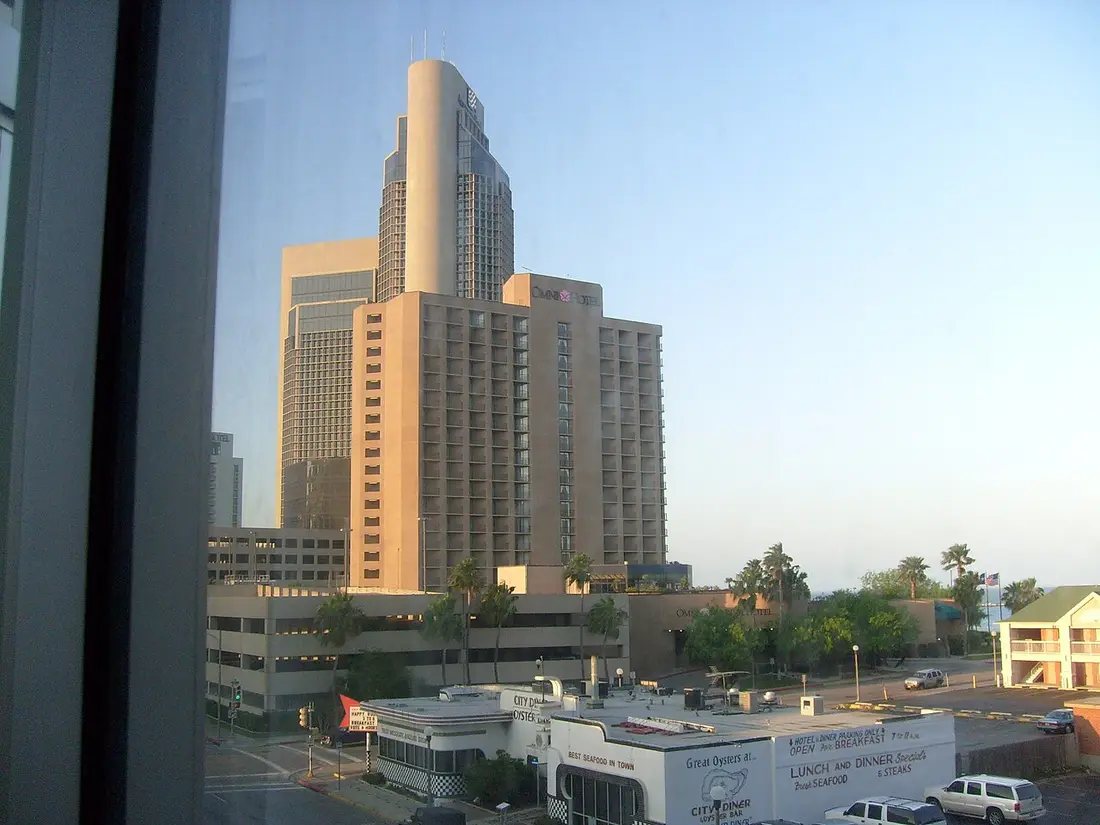 Downtown Corpus Christi
 North Beach
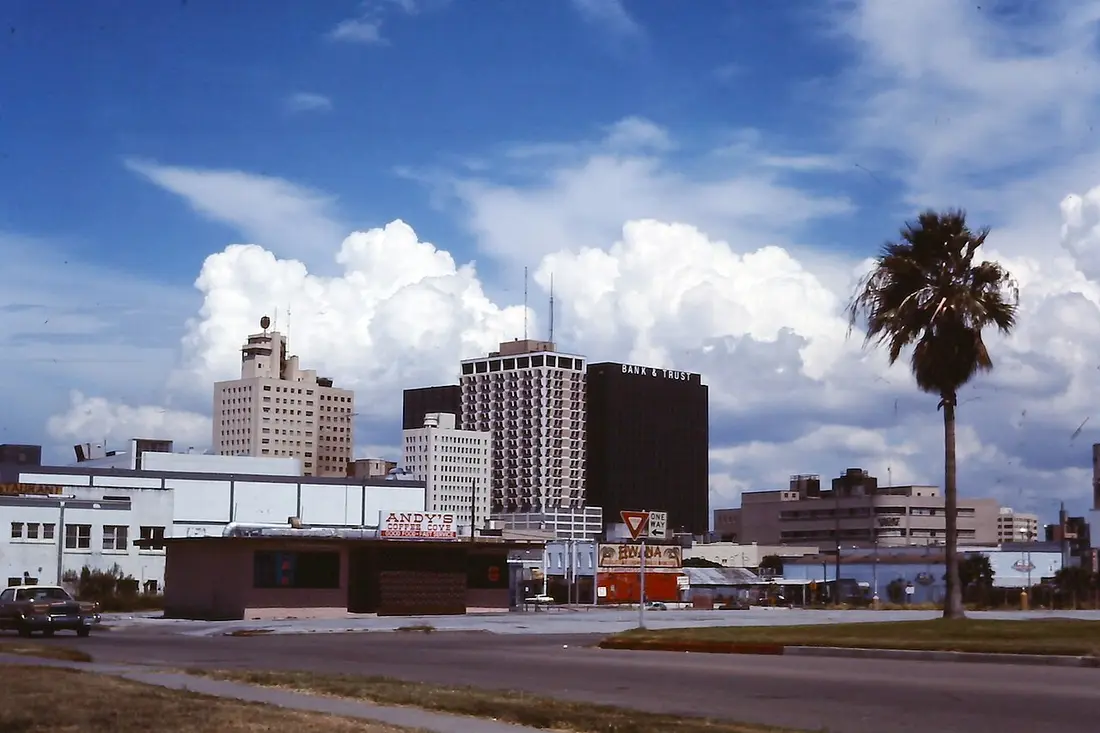 Uptown Corpus Christi
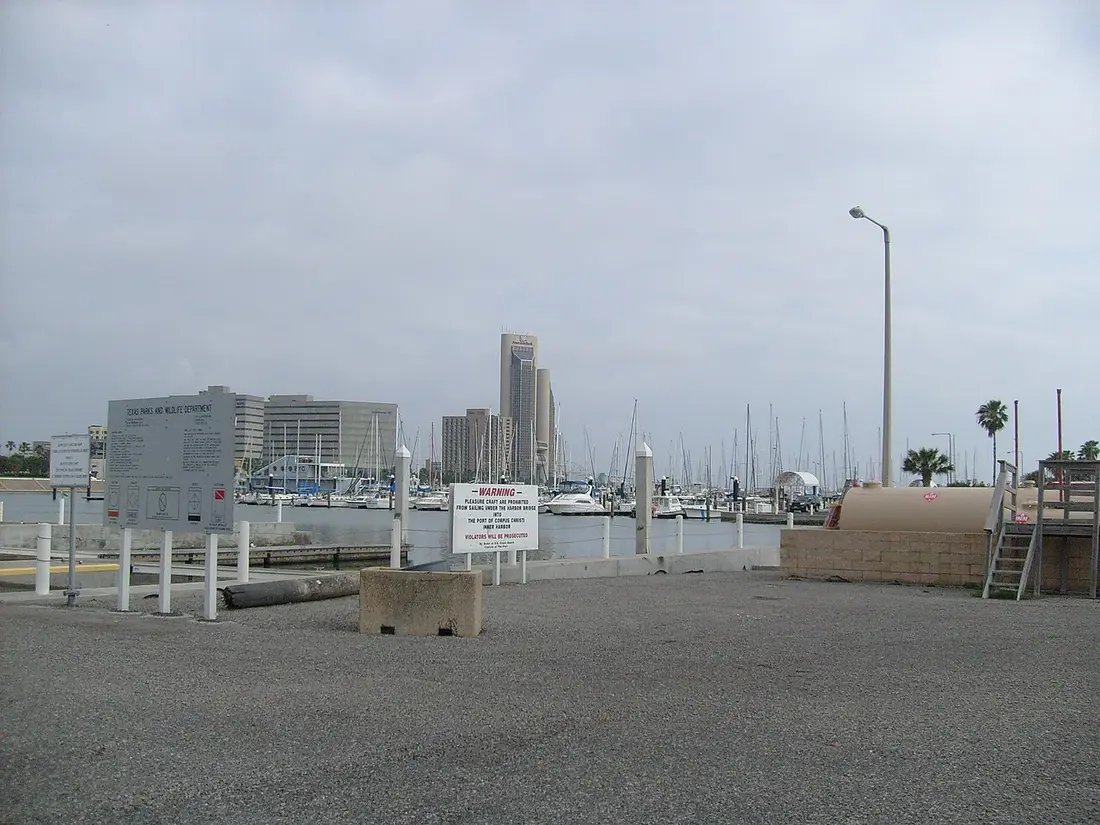 Midtown
 Bayside
 Central Corpus Christi
 Westside
 Bay Area
Commercial Pest Control runs across the whole service map: the bayfront districts of Downtown Corpus Christi, North Beach, Uptown and Bayside; Midtown, Lamar Park and the Bay Area; the South Side, Saratoga and Kings Crossing corridors; Flour Bluff, Padre Island and Mustang Island; Calallen, Annaville, Tuloso-Midway and the Northwest; and the Coastal Bend communities of Robstown, Gregory, Portland, Ingleside, Aransas Pass, Rockport and Fulton. One call covers all of it - the local pages above carry the detail for each. If your street is not named here, call anyway: routes grow with demand, and most Coastal Bend addresses are already within reach of a scheduled run.
Rain hatches dormant marsh eggs and fills every container in the yard; biting peaks about a week after the storm. Run the 7-day brood plan: tip and toss on a schedule, larvicide what cannot drain, treat the resting foliage.
Read the GuideStorms relocate pests wholesale: upward, inward and into the driest structure on the street - yours. Proof before the season, seal before the storm, and run the brood-and-damage plan in the first week after.
Read the GuideTreatment fails on preparation, not chemistry - the prep list is the program's first and most important visit. Declutter the treatment zone, hot-launder the textiles, encase the mattresses, and change nothing until the plan says so.
Read the GuideKitchens and food sites typically run monthly or better; warehouses and offices often run monthly monitoring with quarterly deep service; rentals run on turnover plus a building rhythm. The assessment sets the interval; the trend data adjusts it.
German cockroaches in food service, Norway and roof rats in warehouses and waterfront sites, palmetto bugs everywhere there are drains, drain flies at bars and dish pits, and bed bugs anywhere beds turn over. The port and creek geography keeps rodent pressure at the top of the commercial list.
Yes - service logs, product records, monitoring maps and trend summaries are the standard output of every visit, organized for health inspections, third-party audits and corporate QA programs.
Yes - multi-site operators get one standard: shared reporting format, consolidated trend summaries and zone programs tuned per building. Consistency across locations is usually the point of asking.
Scheduled service by zone, monitoring with trend reporting, documented findings and treatments, and a corrective-action list for the structural and sanitation items on your side. Restaurants, rentals, warehouses and offices each run a different mix of the same elements.
Pest control is one section of the inspection, and a documented program with cleared findings is what inspectors want to see. The honest answer includes your side: sanitation, storage and sealing gaps decide inspections as much as treatment does, and the program tells you exactly where you stand.
As a building protocol, not a unit event: adjacent-unit inspection, documented treatment with follow-up verification, and a turnover procedure that catches the next introduction at the door. Operators with a protocol spend a fraction of what operators with a panic spend.
Programs price by facility size, zone count, service frequency and pest pressure - a kitchen program and a warehouse monitoring line are different products. The assessment produces a scoped number in writing; anyone quoting a facility sight-unseen is guessing with your money.
One call connects you with a pest control professional serving Corpus Christi and the Coastal Bend - inspection, treatment, exclusion and prevention.
📞 Call Now