Spider Control in Robstown
Robstown is the Nueces County farm town west of Calallen - the Cotton Picker hometown, an old railroad and cotton-gin center ringed by some of the richest farm land in South Texas.
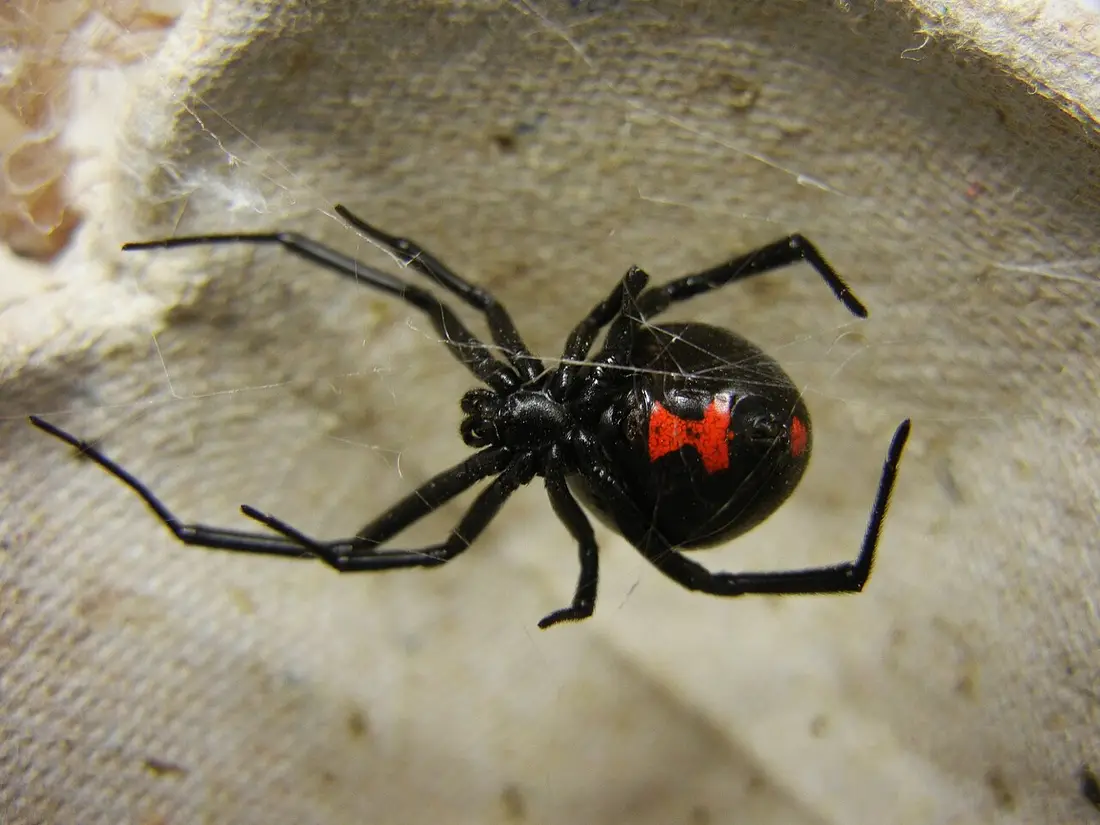
Spider control for Corpus Christi homes - black widows in the quiet corners, brown recluses in the stored boxes, and prey reduction that thins the rest of the cast.
Corpus Christi homeowners learn the pattern fast: palmetto bugs after a rain, fire ant mounds the morning after a storm, mosquitoes whenever the wind drops, and roof rats in the palms and oaks all year. Pest control here is not a one-time event; it is a rhythm matched to the Gulf Coast year.
The city itself adds pressure. Corpus Christi is the Nueces County seat and the Coastal Bend's hub, with neighborhoods that range from 1900s blocks near the bayfront to subdivisions still being framed at the brush-country edge - and every era of housing has its own pest profile, from drywood termites in old eaves to field rodents at the construction frontier.
Messy, strong, low webs in garages, woodpiles and meter boxes are black widow architecture - check before reaching in.
Round sacs in webs mean the next generation is scheduled; sac counts tell you whether a population is shrinking or recruiting.
Violin-marked brown spiders in undisturbed storage, closets and garages in South Texas warrant a careful identification - recluses live exactly there.
Webs that return to the same corners within a week mean prey traffic is feeding the location - the corner is a restaurant, not a residence problem alone.
Moving long-stored boxes that releases multiple spiders means the storage itself has become habitat.
Possible spider bites following work in gloves-free contact with woodpiles, boxes or stored gear get taken seriously and identified properly.
Black widows build where it is dark, dry and undisturbed: garage corners, under stored items, in meter boxes, woodpiles, block-wall voids and under patio furniture. They are shy, sedentary and bite when trapped against skin - in a glove, a shoe, a sleeve. Management is habitat management plus the shake-out habit.
Brown recluses hunt without webs, living in the undisturbed layers of stored life: boxes in garages and closets, stored clothing, behind stored furniture. South Texas is inside their range, and recluse work is decluttering work - every undisturbed layer removed is habitat removed.
The rest of the cast - orb weavers on the porch, jumping spiders on the walls, cellar spiders in the bathroom corner - tracks the insect supply. Exterior lighting that draws night insects to the walls builds spider habitat at the same address; warm-white and off-set lighting thins it.
Fall keeps the pressure on and adds the hurricane-season tail: late storms drop the year's heaviest rain, flooding pushes rodents, ants and wildlife out of low ground and into structures, and the first cool fronts send roof rats shopping for attic space. Fall is sealing season - the work done before the holidays is the work that holds through winter.
Spring on the Gulf Coast is termite season first: warm nights after rain send subterranean swarmers into the air, fire ant colonies push up fresh mounds, and wasp queens start thumb-sized nests under the eaves. Mosquito season starts with the first standing water. It is the inspection season - the month to find problems while they are small.
A Corpus Christi winter is a pause, not a reset. A hard freeze is a rare guest, so roaches keep breeding in heated buildings, rodents that got in stay in, and garage black widows stay active. Winter is project season: exclusion, moisture fixes, termite inspections and the prep that sets up spring.
Spider control is food control wearing a different uniform. Webs are placed where prey travels - at lights, windows, eaves and clutter - so a home rich in insects and undisturbed corners will always be rich in spiders. The durable program reduces prey with exterior treatment and lighting choices, removes webs and egg sacs physically, and declutters the harborage. Spraying spiders directly, by contrast, is a snapshot of a process still running.
Corpus Christi's spider story has a star: the black widow owns the garage-and-woodpile niche, and widow management deserves its own seriousness - gloves, shake-outs, sac removal and respect for the few places widows actually bite from. The recluse in the stored boxes gets the decluttering program. The rest of the cast, from orb weavers on the porch to the cellar spiders in the bathroom corner, is mostly pest control you do not have to pay for. A good technician will tell you which spiders to keep.
Choose on identification and honesty: the service that tells you which spiders to keep is the one that knows the ones to remove. Widow and recluse work should sound like habitat programs, because that is what they are.
The last thing the rhythm buys is proof. Visit by visit, the record shows what was found, what was done and what changed - the document a buyer asks for at resale, a landlord leans on at turnover, a homeowner uses to decide what the house needs next. In a city where pest pressure is a permanent feature of the address, that paper trail is not bureaucracy. It is the difference between a house with a managed condition and a house with a recurring surprise.
Corpus Christi sits on the western Gulf of Mexico where the bay meets the brush country, and its climate writes the pest calendar: long, hot, humid summers, winters so mild that most pests never fully stop, and rain that arrives in tropical downpours instead of gentle weeks. Nothing here gets a killing freeze most years, so pest populations build on each other season after season.
Water is the engine, and this city runs on it. Corpus Christi Bay, Oso Creek, the Nueces River, the Laguna Madre and thousands of irrigated lawns keep moisture in every neighborhood, and where there is constant water and constant warmth there are constant pests - mosquitoes off every low spot, roaches in every warm drain, termites in every damp foundation line.
Widows, possible recluses and the harmless majority are separated first - because the programs for each are completely different.
Physical removal of webs and egg sacs, with counts, resets the population and sets the baseline the follow-up measures against.
Exterior treatment and lighting adjustments reduce the insects the spiders are farming - the step that makes results last.
Garage, storage and woodpile work on a list: raise it, move it, thin it - with gloves on, every time.
Spiders follow food and undisturbed corners. Prevention works on both - less prey, fewer quiet layers - and reserves your attention for the two species that deserve it.
The communities around Corpus Christi share its pest calendar - with their own twists.
Robstown is the Nueces County farm town west of Calallen - the Cotton Picker hometown, an old railroad and cotton-gin center ringed by some of the richest farm land in South Texas.
Gregory is the small San Patricio County town between Portland and Ingleside, sitting above the bay's north shore next to some of the Gulf Coast's biggest industrial plants.
Portland is the fast-growing bayfront city across the harbor from downtown - subdivisions and schools on the bluff above Corpus Christi Bay, with Sunset Lake Park on its shore and wide-open views across the bay.
Ingleside is the San Patricio County bay town under the live oaks - a small-city mix of older neighborhoods, new subdivisions and plant-corridor growth between Portland and Aransas Pass.
Across the bayfront and the north side - Downtown Corpus Christi, North Beach, Uptown Corpus Christi, Midtown, Bayside and Central Corpus Christi, Westside, Bay Area, Lamar Park, South Side - the housing runs from historic bayfront blocks to established family neighborhoods, and spider control follows the construction: older wood, mature palms and creek-corridor greenery in the established districts, marsh-edge pressure toward the bay.
The south and west of the city - Saratoga Area, King's Crossing, Southeast Corpus Christi, London Area, Flour Bluff, Padre Island and Mustang Island, Calallen, Annaville, Tuloso-Midway, Northwest Corpus Christi - hold the city's fastest-growing subdivisions, its apartment corridors and the island communities, which together make this the steadiest spider control territory in Corpus Christi.
Beyond the city line, the same work runs in Robstown, Gregory, Portland, Ingleside, Aransas Pass, Rockport, Fulton - Coastal Bend communities wrapped in marsh, brush country and working waterfront, where the water and the weather drive pest pressure as much as the housing does. Every one of these area pages carries the local detail for spider control in that community.
Every area we serve has its own Spider Control page with local detail.
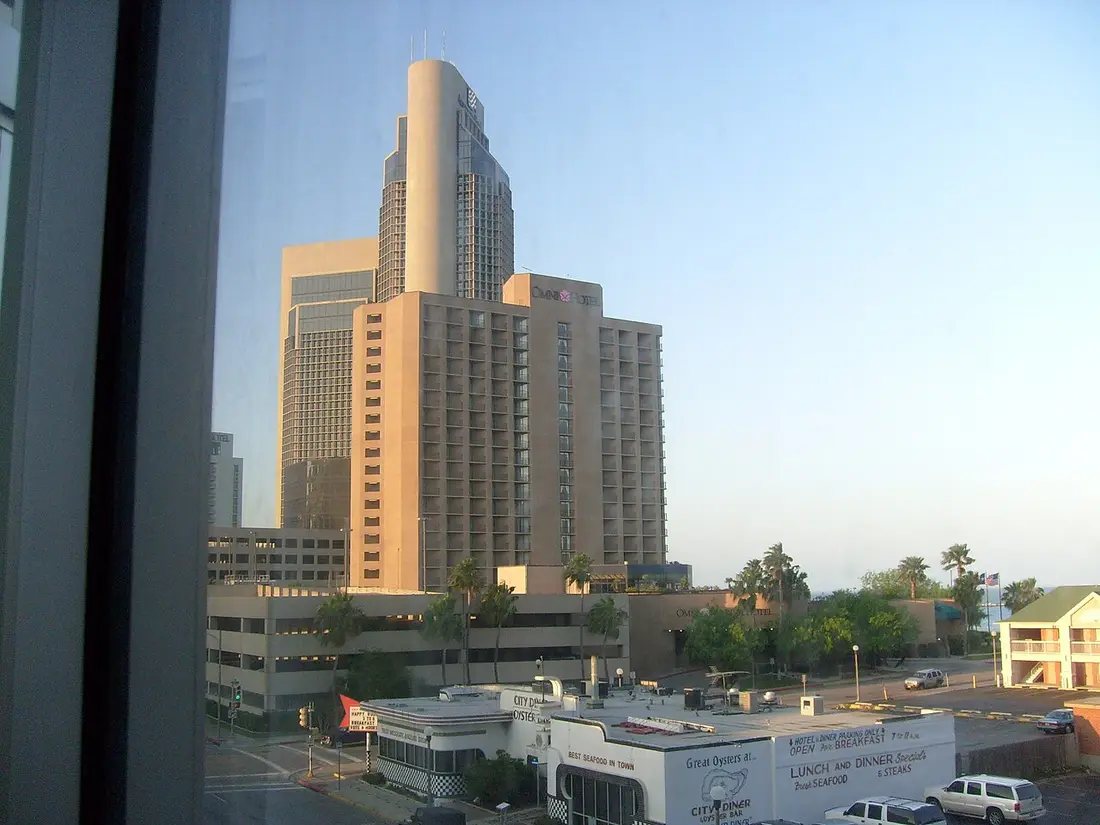 Downtown Corpus Christi
 North Beach
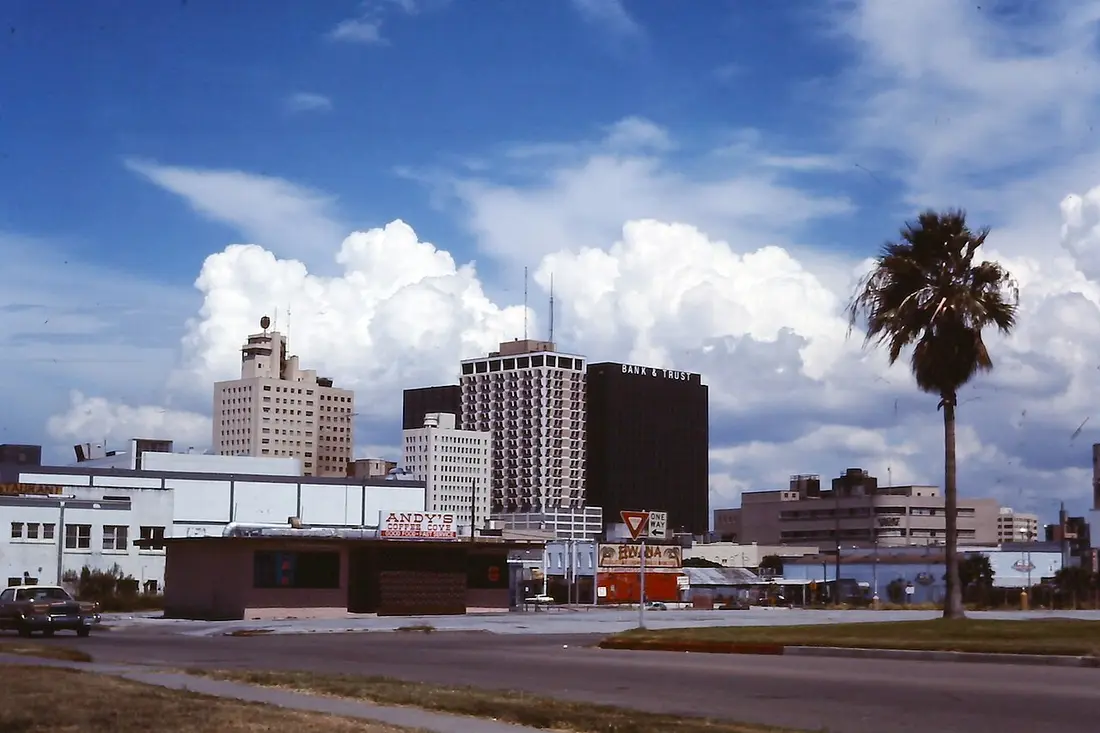 Uptown Corpus Christi
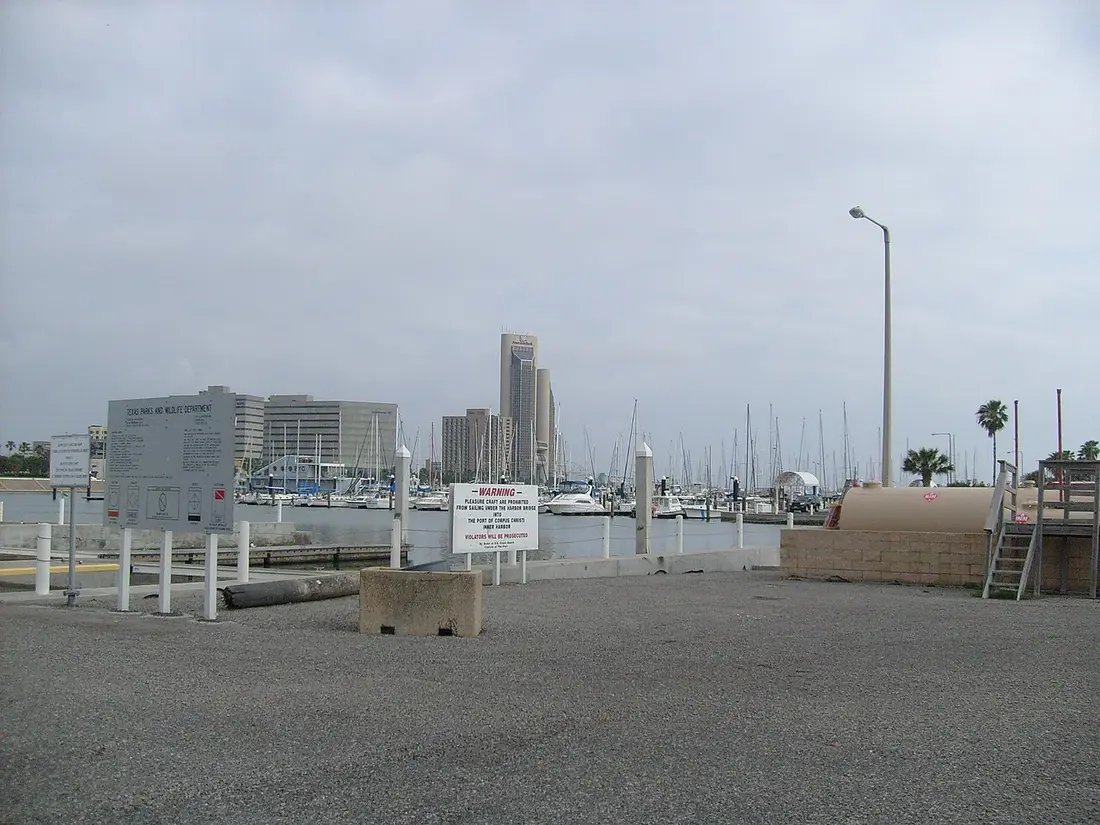 Midtown
 Bayside
 Central Corpus Christi
 Westside
 Bay Area
Spider Control runs across the whole service map: the bayfront districts of Downtown Corpus Christi, North Beach, Uptown and Bayside; Midtown, Lamar Park and the Bay Area; the South Side, Saratoga and Kings Crossing corridors; Flour Bluff, Padre Island and Mustang Island; Calallen, Annaville, Tuloso-Midway and the Northwest; and the Coastal Bend communities of Robstown, Gregory, Portland, Ingleside, Aransas Pass, Rockport and Fulton. One call covers all of it - the local pages above carry the detail for each. If your street is not named here, call anyway: routes grow with demand, and most Coastal Bend addresses are already within reach of a scheduled run.
Different termites sign their work differently: mud for subterraneans, pellets for drywoods, blisters and carton for Formosans. Read sign by species and freshness, photograph and preserve it, and let the map - not the scare - set the response.
Read the GuideStorms relocate pests wholesale: upward, inward and into the driest structure on the street - yours. Proof before the season, seal before the storm, and run the brood-and-damage plan in the first week after.
Read the GuideFormosan colonies run into the millions, nest inside walls, and damage wood far faster than native termites. Inspect for the coastal signatures - carton nests, spring swarms, blistered paint - and treat both the soil and the wall nests.
Read the GuideBlack widows in the quiet corners, orb weavers on the porches, jumping spiders hunting the walls, cellar spiders in the bathrooms and - in undisturbed storage - the brown recluse. The first is a habitat program; the last is a decluttering program; the middle three are mostly neighbors.
Spider numbers follow food. A yard heavy with insects - lights drawing them in, mulch and water feeding them - will re-web after any treatment. Prey reduction is not an upsell; it is the mechanism.
Widows and web-builders run spring through late fall, with egg sacs peaking in the warm months. Indoor recluse habitat is seasonless - their season is however long the boxes sat undisturbed.
Happily. Orb weavers at the garden edge and jumping spiders on the windowsill eat pests and ask nothing. A good technician will tell you which tenants are paying rent.
Yes - the Gulf Coast's garages, woodpiles and meter boxes are textbook widow habitat, and most established homes have a few in the quiet corners. They are manageable: respect the habitat, shake out the gear, sweep the webs and sacs, and the risk stays low.
South Texas is within the brown recluse's range, and they are found in undisturbed storage across the region - though many 'recluse' sightings turn out to be harmless look-alikes. A proper identification from a caught specimen settles it; programs are built on identifications, not fears.
Because the corner still serves dinner. Webs at lights and windows are prey traps; until the insect supply is cut, a new spider - and there is always a next one - reopens the location. Web removal plus prey control is the whole answer.
Most spider bites blamed on spiders are other things entirely. Genuine widow bites are uncommon and usually follow a spider trapped in clothing or gear; recluse bites are rarer still. Any bite with spreading symptoms deserves medical care and, if possible, the spider for identification.
One call connects you with a pest control professional serving Corpus Christi and the Coastal Bend - inspection, treatment, exclusion and prevention.
📞 Call Now