Bee Removal in Rockport
Bee Removal for Rockport homes - local conditions, a clear process, and one call to get it started.
There is a reason this page exists separately from the Corpus Christi one: Rockport runs its own version of every pest problem on the coast.
South Texas feral bees carry varying degrees of Africanized ancestry, which means colonies in Rockport can defend a nest far more aggressively than the textbook hive. That single fact decides the method: assess first, gear up always, and never let a colony be 'handled' with a can of spray.
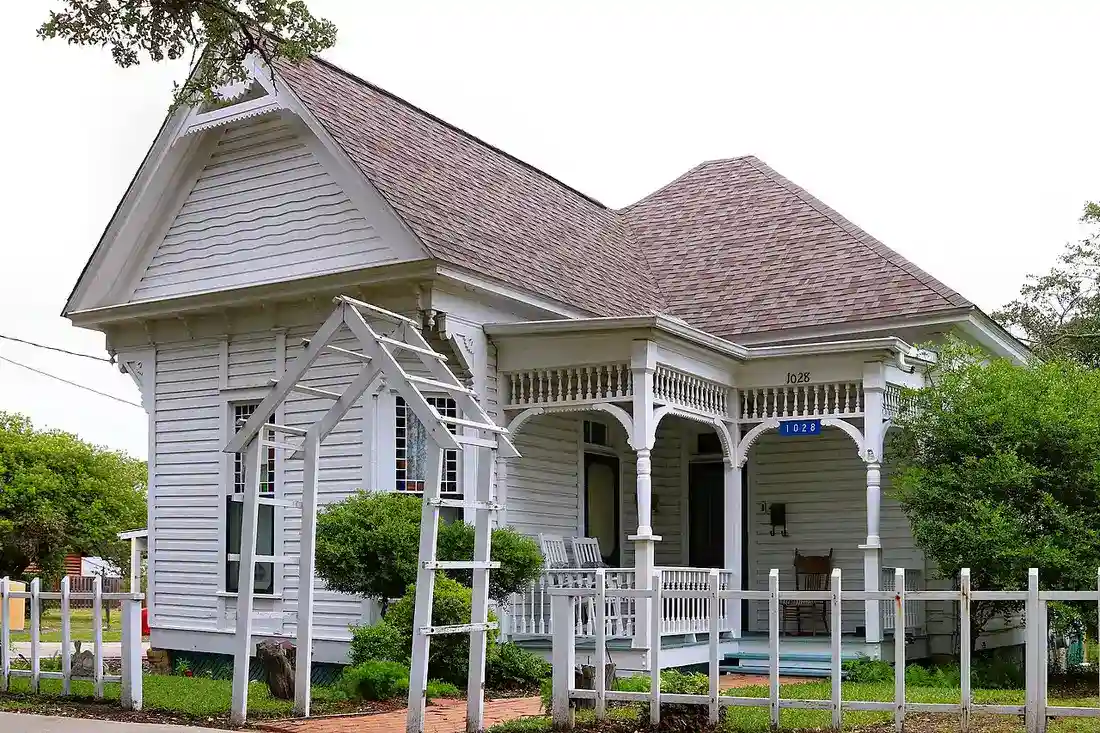
Rockport is the Aransas County art-and-fishing town under the wind-bent live oaks - Rockport Beach, the harbor and the festival grounds, rebuilt extensively since Hurricane Harvey made landfall here in 2017.
This part of the Coastal Bend has its own version of the problem. Coastal homes under live oak canopy, older cottages and post-Harvey rebuilds, many of them second homes - and that shapes the pest work directly. Oak canopy carries roof rats to the rooflines, and second homes standing empty invite rodents and palmetto bugs. For bee removal in Rockport, live removal with the comb out is what keeps the next colony - and the roaches after it - away.
Signs Rockport Homes Need Bee Removal
Dead bees at windows
Bees appearing inside at windows, a few more every day, have found a void route into the house from a colony in the structure.
A hum inside a wall
A warm wall that hums, especially on hot afternoons, is a colony thermoregulating its brood nest on the other side.
A swarm cluster on a branch
A football of bees hanging quietly on a limb or fence is a swarm resting between homes - temporary, usually calm, and the simplest removal there is if you call while it lasts.
Why This Problem Runs in Rockport
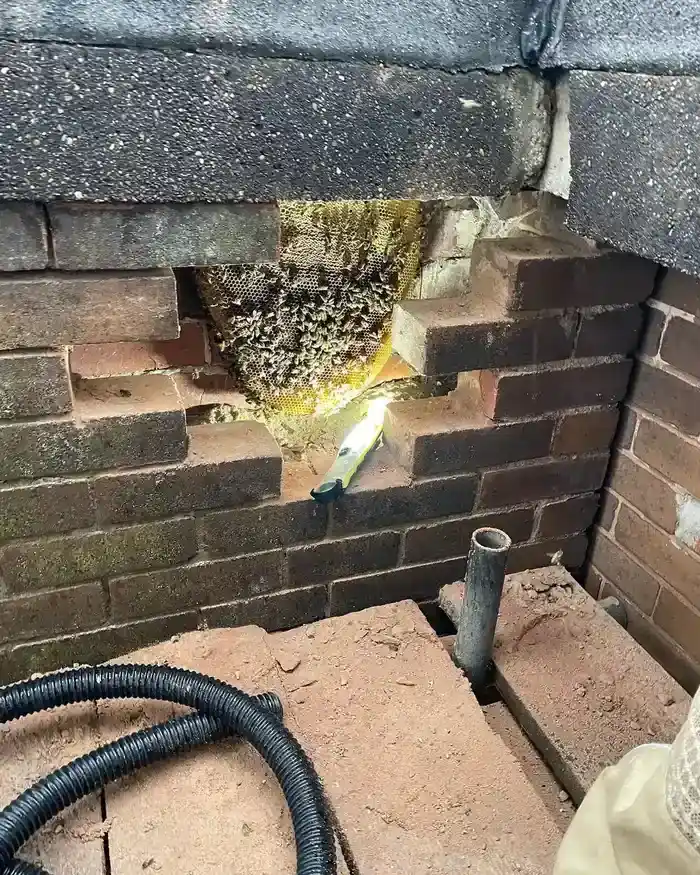
The comb is why killing a colony in place is the expensive mistake. Dead bees and abandoned honey melt, ferment and soak into the structure, attracting roaches, ants, wax moths and rodents for years, and the honey finds its way through drywall. Proper removal takes the bees AND the comb, then seals the void so the smell does not recruit the next swarm.
Oak canopy carries roof rats to the rooflines, and second homes standing empty invite rodents and palmetto bugs. Salt-marsh mosquitoes are a way of life, termites work the older cottages, and raccoons patrol the harbor-side trash.
In Rockport, that plays out street by street - and the comb, once out and the void sealed, is what keeps the sequel from ever being written. Local knowledge, Rockport edition: the wind, the water table and the storm calendar all vote on when this work is needed.
Fall keeps the pressure on and adds the hurricane-season tail: late storms drop the year's heaviest rain, flooding pushes rodents, ants and wildlife out of low ground and into structures, and the first cool fronts send roof rats shopping for attic space. Fall is sealing season - the work done before the holidays is the work that holds through winter.
Homeowners are often surprised by how much of the visit is looking rather than spraying. That inspection time is the work: it is what separates a treatment matched to your actual problem from a generic spray that misses it. Ask questions - a good technician can show you exactly what they found.
This season, the watch item in Rockport is water: every irrigation cycle and every downpour refreshes the map that pests follow, and the homes near Rockport Beach and the harbor feel it first.
Homeowners in Rockport ask what they should do before the visit. The answer is access, not cleaning: clear the sink cabinets, the attic hatch and the garage corners, and secure the pets. The evidence should stay exactly where it is.

How Bee Removal Works in Rockport
Read the main Bee Removal page for the full process; this page exists because the process lands differently in Rockport. The sequence is the same - inspect, treat, seal, follow up - but the findings it produces follow this neighborhood's water, housing and harborage, street by street from Rockport Beach and the harbor outward. The service overview is at the Bee Removal page.
The Rockport Angle
Every neighborhood writes its own version of this problem, and Rockport writes it around Rockport Beach and the harbor and the blocks that feed into it. The housing stock sets the search pattern. Coastal homes under live oak canopy, older cottages and post-Harvey rebuilds, many of them second homes.
Layer the pest picture on top and the job defines itself. Oak canopy carries roof rats to the rooflines, and second homes standing empty invite rodents and palmetto bugs. Salt-marsh mosquitoes are a way of life, termites work the older cottages, and raccoons patrol the harbor-side trash. A proper bee removal call in Rockport therefore starts with reading - the water, the entries, the evidence - and only then moves to treatment.
Rockport does not sit alone on the map. It trades pest pressure daily with Fulton, Aransas Pass and Ingleside - the same creeks, corridors and commutes connect them, and the same seasonal pushes move through all of them within the same few weeks. That shared geography is the argument for local pages and local visits - the map is the method.
On the route map, Rockport sits in the coastal bend community group, ZIP 78382 - close enough to Fulton, Aransas Pass that crews work them on the same runs. A route also keeps the paperwork honest - the same technician sees the same blocks across a season, and change, good or bad, has nowhere to hide. That local memory is the quiet advantage of route-based work in Rockport.
Rockport is worked as its own map for a reason. Its anchor is Rockport Beach and the harbor; its neighbors - Fulton, Aransas Pass, Ingleside, Portland - sit close enough to share pressure but not patterns; and its ZIP 78382 blocks carry a coastal bend community mix of housing that sets its own pest calendar.
Prevention That Helps in Rockport
- Keep water meter and irrigation box lids closed and their gaps screened.
- After any removal, confirm the void was cleaned and sealed - unfinished jobs re-recruit.
- Never ignore a week of bee traffic at one hole - colonies grow fast in this climate.
Coastal homes under live oak canopy, older cottages and post-Harvey rebuilds, many of them second homes.
Keep Exploring
Bee Removal nearby:
More services in Rockport:
- Pest Inspection in Rockport
- Pest Control in Rockport
- Emergency Pest Control in Rockport
- Wildlife Removal in Rockport
See the full pest control page for Rockport and the Bee Removal overview for Corpus Christi.
Bee Removal in Rockport - Questions
Can the bees in Rockport be saved instead of killed?
Usually, when the colony is reachable - live removal with the queen, relocated to managed hives, is the standard first choice on the coast. Colonies sealed in inaccessible voids, or dangerously defensive colonies at entries and schools, are the exceptions, and the assessment will tell you which you have.
Why can't you just kill the bees in my Rockport wall and be done?
Because the bees are the easy half. The comb and honey left behind melt into the wall, stain ceilings, ferment, and feed roaches, ants and rodents for years - a bigger, longer problem than the colony. Removal that skips the comb is a down payment on a second job.
What makes Bee Removal different in Rockport than in the rest of Corpus Christi?
The pest is the same; the map is not. Rockport has its own housing pattern, its own water pattern and its own edges - marsh, creek, corridor or bay. Bee Removal here is planned from those three, which is why this page exists separately from the citywide one.
Palmetto Bugs After the Rain, Scratches in the Attic or Bites in the Night?
One call connects you with a pest control professional serving Corpus Christi and the Coastal Bend - inspection, treatment, exclusion and prevention.
📞 Call Now