Bee Removal in Robstown
Robstown is the Nueces County farm town west of Calallen - the Cotton Picker hometown, an old railroad and cotton-gin center ringed by some of the richest farm land in South Texas.
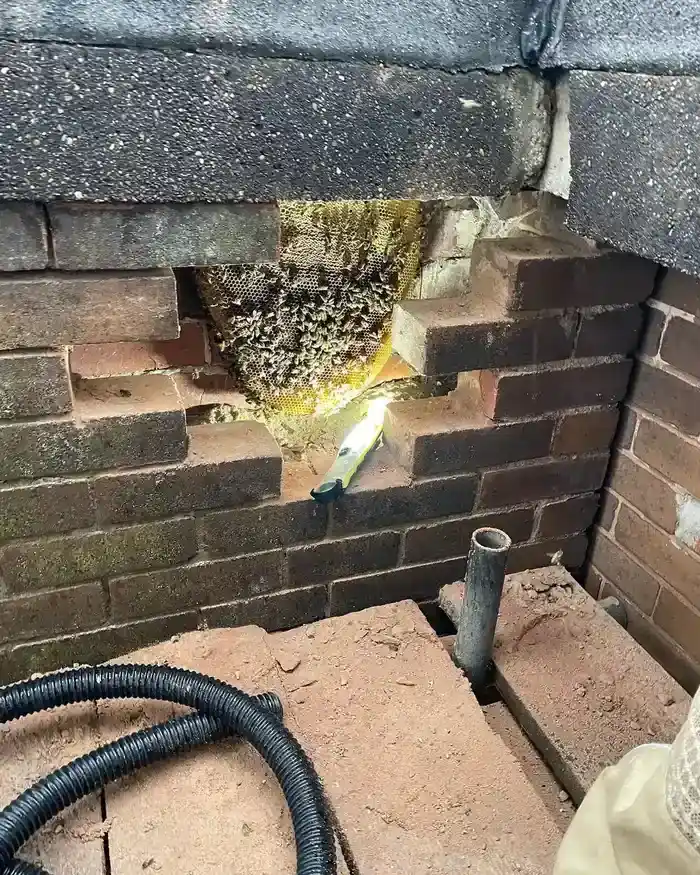
Bee removal for Corpus Christi homes - honey bee colonies in walls, water boxes and trees, handled by live removal and relocation whenever the colony allows it.
Corpus Christi homeowners learn the pattern fast: palmetto bugs after a rain, fire ant mounds the morning after a storm, mosquitoes whenever the wind drops, and roof rats in the palms and oaks all year. Pest control here is not a one-time event; it is a rhythm matched to the Gulf Coast year.
The city itself adds pressure. Corpus Christi is the Nueces County seat and the Coastal Bend's hub, with neighborhoods that range from 1900s blocks near the bayfront to subdivisions still being framed at the brush-country edge - and every era of housing has its own pest profile, from drywood termites in old eaves to field rodents at the construction frontier.
Bees arriving and departing a single small opening in a wall, box or tree, all day, means a colony lives behind it - scouts and swarms pass through; colonies commute.
A warm wall that hums, especially on hot afternoons, is a colony thermoregulating its brood nest on the other side.
A football of bees hanging quietly on a limb or fence is a swarm resting between homes - temporary, usually calm, and the simplest removal there is if you call while it lasts.
Sweet smells, wax flakes, or honey staining and dripping in a wall or ceiling mean comb is established - and removal now includes the comb, not just the bees.
Bees appearing inside at windows, a few more every day, have found a void route into the house from a colony in the structure.
Wasps, ants and roaches working a wall spot aggressively often means they have found a colony's honey - or a dead colony's remains.
A established colony is architecture: pounds of wax comb holding brood, pollen and tens of pounds of honey, all of it temperature-managed by the bees year-round in this climate. The colony does not leave in winter here; it slows, defends its stores, and grows again in spring.
The comb is why killing a colony in place is the expensive mistake. Dead bees and abandoned honey melt, ferment and soak into the structure, attracting roaches, ants, wax moths and rodents for years, and the honey finds its way through drywall. Proper removal takes the bees AND the comb, then seals the void so the smell does not recruit the next swarm.
Feral South Texas colonies range from gentle to seriously defensive, and you cannot tell by looking at the entrance. Africanized influence raises the defense radius and the pursuit distance, which is why bee work here is professional work with full gear, whatever the colony's mood turns out to be.
Summer is peak pest season on the Coastal Bend. Salt-marsh mosquitoes hatch by the millions after high tides and rains, palmetto bugs ride the drains into ground floors, German roaches breed at top speed in hot kitchens, and fire ants forage around the clock. Exterior service in summer is what holds the line.
Spring on the Gulf Coast is termite season first: warm nights after rain send subterranean swarmers into the air, fire ant colonies push up fresh mounds, and wasp queens start thumb-sized nests under the eaves. Mosquito season starts with the first standing water. It is the inspection season - the month to find problems while they are small.
A Corpus Christi winter is a pause, not a reset. A hard freeze is a rare guest, so roaches keep breeding in heated buildings, rodents that got in stay in, and garage black widows stay active. Winter is project season: exclusion, moisture fixes, termite inspections and the prep that sets up spring.
Bee removal is the service where the demolition matters as much as the animals. A colony in a wall is tens of thousands of bees plus pounds of comb and honey - a warm, heavy, fermenting asset if it dies in place. The removal that looks expensive - open the void, take bees and comb, clean, seal - is the smart one across a five-year window; the spray-and-seal job bills its sequel to the roaches, ants and drywall that follow.
South Texas adds the temperament variable. Feral colonies here carry Africanized ancestry in varying degrees, and the colony that was docile in March can be a different animal in the August dearth. Professional assessment - how the bees respond to approach, vibration and a test disturbance - is what separates a relocation from an incident, and it happens before the first cut, every time.
Choose the remover who talks about the comb in the first conversation. Live relocation is the headline; comb extraction and sealing are the story - and a quote without them is a quote for half a job.
None of this works as a one-time event, and Corpus Christi is the reason. A treatment buys a result measured in weeks; a rhythm buys a result measured in seasons. The Gulf does not do pest truces - it does pest schedules, and the homes that stay quiet are the ones whose schedule is steadier than the weather's. That is the honest frame for every service on this page: the first visit changes the finding, the rhythm is what keeps it changed, and the inspection notes from each visit are how the rhythm learns your house instead of treating a stranger's.
Corpus Christi sits on the western Gulf of Mexico where the bay meets the brush country, and its climate writes the pest calendar: long, hot, humid summers, winters so mild that most pests never fully stop, and rain that arrives in tropical downpours instead of gentle weeks. Nothing here gets a killing freeze most years, so pest populations build on each other season after season.
Water is the engine, and this city runs on it. Corpus Christi Bay, Oso Creek, the Nueces River, the Laguna Madre and thousands of irrigated lawns keep moisture in every neighborhood, and where there is constant water and constant warmth there are constant pests - mosquitoes off every low spot, roaches in every warm drain, termites in every damp foundation line.
Location, size, temperament and access are established first - often with a thermal or listening check of the void - before any opening is made.
Colonies that can be reached are vacuumed and boxed with their queen for relocation to a beekeeper's yard - the standard outcome when access allows.
All comb, honey and debris come out, surfaces are cleaned, and the cavity is filled or sealed so the smell and the space stop recruiting bees.
The original opening and its alternates are closed with durable materials - a colony-sized hole caulked on the surface only is an invitation with a date on it.
Colonies choose voids that read as tree hollows. These steps close the real-estate listings before swarm season opens.
The communities around Corpus Christi share its pest calendar - with their own twists.
Robstown is the Nueces County farm town west of Calallen - the Cotton Picker hometown, an old railroad and cotton-gin center ringed by some of the richest farm land in South Texas.
Gregory is the small San Patricio County town between Portland and Ingleside, sitting above the bay's north shore next to some of the Gulf Coast's biggest industrial plants.
Portland is the fast-growing bayfront city across the harbor from downtown - subdivisions and schools on the bluff above Corpus Christi Bay, with Sunset Lake Park on its shore and wide-open views across the bay.
Ingleside is the San Patricio County bay town under the live oaks - a small-city mix of older neighborhoods, new subdivisions and plant-corridor growth between Portland and Aransas Pass.
Across the bayfront and the north side - Downtown Corpus Christi, North Beach, Uptown Corpus Christi, Midtown, Bayside and Central Corpus Christi, Westside, Bay Area, Lamar Park, South Side - the housing runs from historic bayfront blocks to established family neighborhoods, and bee removal follows the construction: older wood, mature palms and creek-corridor greenery in the established districts, marsh-edge pressure toward the bay.
The south and west of the city - Saratoga Area, King's Crossing, Southeast Corpus Christi, London Area, Flour Bluff, Padre Island and Mustang Island, Calallen, Annaville, Tuloso-Midway, Northwest Corpus Christi - hold the city's fastest-growing subdivisions, its apartment corridors and the island communities, which together make this the steadiest bee removal territory in Corpus Christi.
Beyond the city line, the same work runs in Robstown, Gregory, Portland, Ingleside, Aransas Pass, Rockport, Fulton - Coastal Bend communities wrapped in marsh, brush country and working waterfront, where the water and the weather drive pest pressure as much as the housing does. Every one of these area pages carries the local detail for bee removal in that community.
Every area we serve has its own Bee Removal page with local detail.
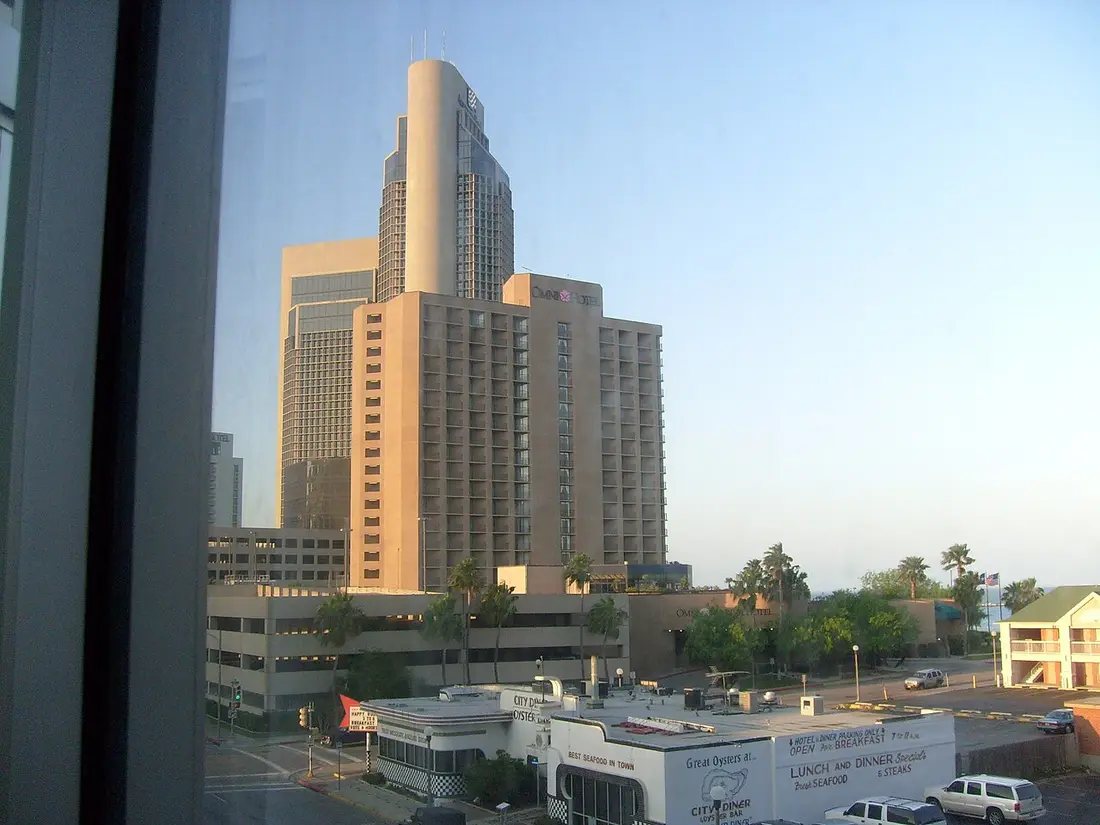 Downtown Corpus Christi
 North Beach
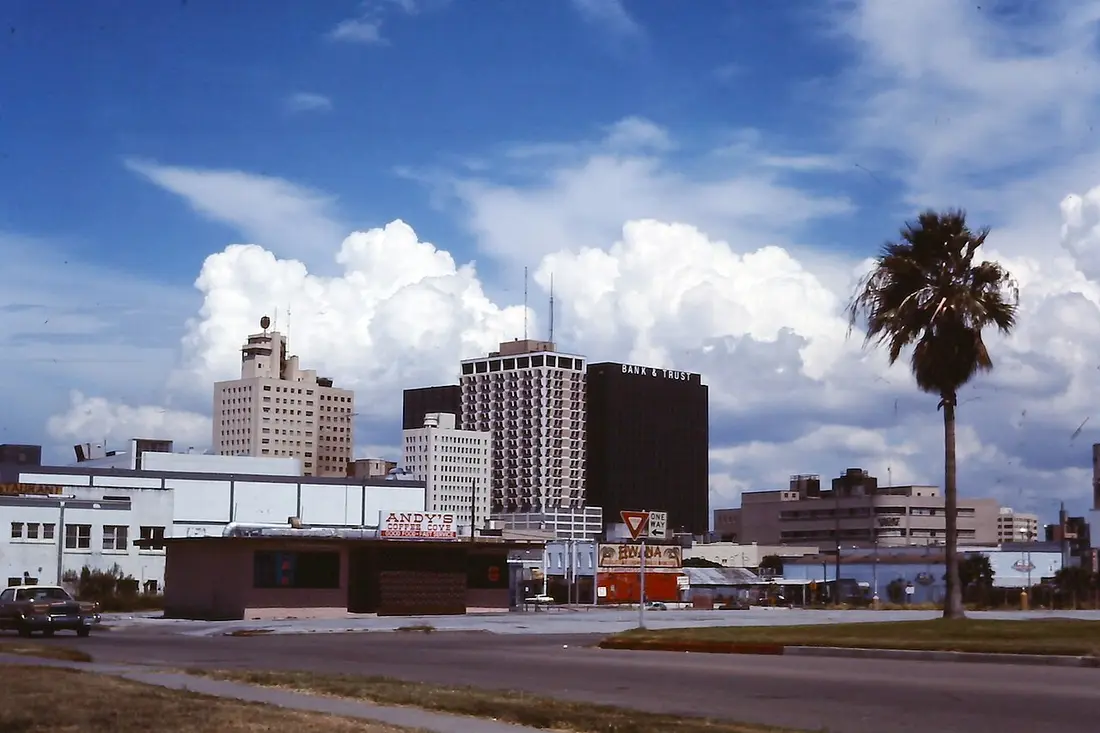 Uptown Corpus Christi
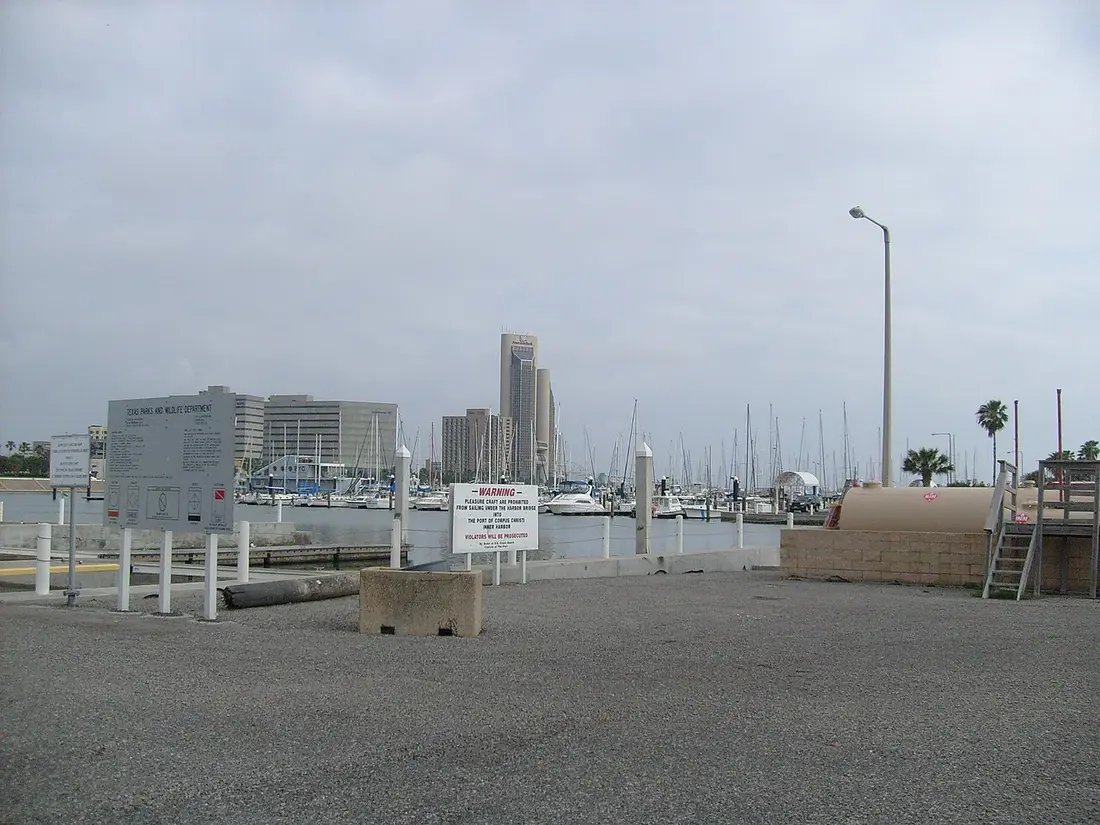 Midtown
 Bayside
 Central Corpus Christi
 Westside
 Bay Area
Bee Removal runs across the whole service map: the bayfront districts of Downtown Corpus Christi, North Beach, Uptown and Bayside; Midtown, Lamar Park and the Bay Area; the South Side, Saratoga and Kings Crossing corridors; Flour Bluff, Padre Island and Mustang Island; Calallen, Annaville, Tuloso-Midway and the Northwest; and the Coastal Bend communities of Robstown, Gregory, Portland, Ingleside, Aransas Pass, Rockport and Fulton. One call covers all of it - the local pages above carry the detail for each. If your street is not named here, call anyway: routes grow with demand, and most Coastal Bend addresses are already within reach of a scheduled run.
Different termites sign their work differently: mud for subterraneans, pellets for drywoods, blisters and carton for Formosans. Read sign by species and freshness, photograph and preserve it, and let the map - not the scare - set the response.
Read the GuideTreatment fails on preparation, not chemistry - the prep list is the program's first and most important visit. Declutter the treatment zone, hot-launder the textiles, encase the mattresses, and change nothing until the plan says so.
Read the GuideRoof rats commute from palms and oaks into attics along branches, wires and fences - an aerial problem with an aerial solution. Cut the bridges, clear the canopy food, then trap inside and seal the entries in that order.
Read the GuideSpring is peak swarm season - roughly March through June - with a smaller fall pulse. Warm winters here mean colonies stay strong and swarm early, so seal-up work is ideally finished by February.
You need whoever will do the whole job: live removal where possible, comb extraction, cleaning and sealing. Beekeepers often take easy swarm and box colonies; structural removals in walls and soffits are the pest trade's daily work with beekeeper coordination.
Not if the job is finished: comb out, smell neutralized, void filled or sealed, entries closed. Bee space that still smells like a hive recruits scout bees every swarm season - the finish work is what prevents the sequel.
Honey bees are valued pollinators and Texas regulates beekeeping, but there is no rule requiring a colony in a structure to be left in place. Live relocation is preferred practice and standard here; it is also usually the simplest full outcome.
Possibly, in part. Feral colonies across South Texas carry mixed ancestry, and defensiveness varies colony by colony - which is exactly why assessment comes first and nobody works a colony here without protective gear. Location and behavior on the day tell the technician what the colony is.
Usually, when the colony is reachable - live removal with the queen, relocated to managed hives, is the standard first choice on the coast. Colonies sealed in inaccessible voids, or dangerously defensive colonies at entries and schools, are the exceptions, and the assessment will tell you which you have.
Because the bees are the easy half. The comb and honey left behind melt into the wall, stain ceilings, ferment, and feed roaches, ants and rodents for years - a bigger, longer problem than the colony. Removal that skips the comb is a down payment on a second job.
A resting swarm is an hour. A colony in an accessible box or tree hollow is a few hours. A colony deep in a wall with comb extraction and repair coordination is a day-scale job. The assessment gives you the real number before work starts.
One call connects you with a pest control professional serving Corpus Christi and the Coastal Bend - inspection, treatment, exclusion and prevention.
📞 Call Now