Cockroach Control in Robstown
Robstown is the Nueces County farm town west of Calallen - the Cotton Picker hometown, an old railroad and cotton-gin center ringed by some of the richest farm land in South Texas.
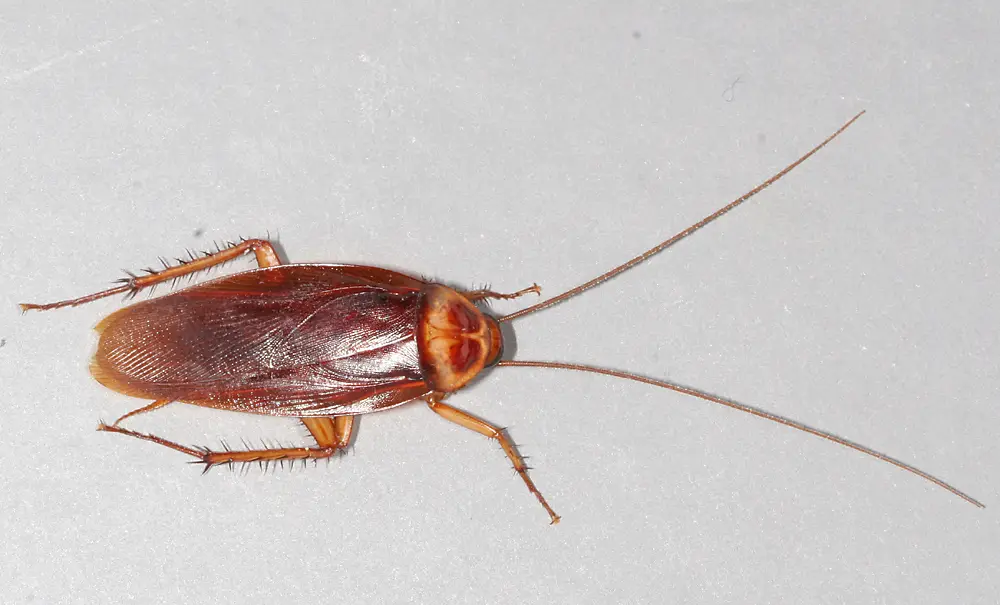
Cockroach control for Corpus Christi homes - German roaches breeding in the kitchen voids, palmetto bugs riding the drains, and smokybrowns in the trees and attics.
Corpus Christi homeowners learn the pattern fast: palmetto bugs after a rain, fire ant mounds the morning after a storm, mosquitoes whenever the wind drops, and roof rats in the palms and oaks all year. Pest control here is not a one-time event; it is a rhythm matched to the Gulf Coast year.
The city itself adds pressure. Corpus Christi is the Nueces County seat and the Coastal Bend's hub, with neighborhoods that range from 1900s blocks near the bayfront to subdivisions still being framed at the brush-country edge - and every era of housing has its own pest profile, from drywood termites in old eaves to field rodents at the construction frontier.
Half-inch light-brown roaches with two dark stripes, concentrated near water and appliances, are German cockroaches - the indoor breeder.
Large reddish-brown roaches in tubs, garages and patios are American cockroaches - palmetto bugs - coming from drains and outdoor harborage.
Dark specks in cabinet hinges, drawer corners and appliance seams are German roach evidence accumulating.
German females carry their capsules to hatching; outdoor species glue theirs in meter boxes, garages and leaf litter - each tells you the species and the map.
Any roach active in a lit room at noon signals a population too big for its harborage - an established infestation.
Heavy German infestations produce a characteristic smell from their aggregation chemicals - a finding that means the voids are full.
The German cockroach lives indoors only, in the warm, tight spaces within a few feet of water: behind the refrigerator, inside cabinet hinges, under the sink, in the motor housings of the dishwasher and coffee maker. A female carries her egg case - dozens of young - until the moment it hatches, protecting it from most treatments.
The American cockroach - the palmetto bug - lives in the warm wet infrastructure: sewer and drain lines, meter boxes, mulch, palm crowns and the leaf litter against the house. It wanders indoors through gaps and up dry drain traps, especially after rain floods its harborage or heat drives it hunting water.
The smokybrown cockroach splits the difference: an outdoor species that favors tree holes, mulch and attics, strongly drawn to lights. Together the three species mean Corpus Christi roach control is always two jobs - an indoor breeding job and an outdoor pressure job - scoped by what the inspection actually finds.
A Corpus Christi winter is a pause, not a reset. A hard freeze is a rare guest, so roaches keep breeding in heated buildings, rodents that got in stay in, and garage black widows stay active. Winter is project season: exclusion, moisture fixes, termite inspections and the prep that sets up spring.
Summer is peak pest season on the Coastal Bend. Salt-marsh mosquitoes hatch by the millions after high tides and rains, palmetto bugs ride the drains into ground floors, German roaches breed at top speed in hot kitchens, and fire ants forage around the clock. Exterior service in summer is what holds the line.
Spring on the Gulf Coast is termite season first: warm nights after rain send subterranean swarmers into the air, fire ant colonies push up fresh mounds, and wasp queens start thumb-sized nests under the eaves. Mosquito season starts with the first standing water. It is the inspection season - the month to find problems while they are small.
Cockroach control turns on a single diagnostic question: where is the population centered? German cockroaches answer 'inside, in the warm wet voids near food,' and the job becomes harborage-by-harborage detail work - baits in hinges and appliance voids, cracks sealed, sanitation tightened. Palmetto bugs and smokybrowns answer 'outside, in the drains, palms and litter,' and the job becomes a perimeter, drainage and exclusion project. The same sighting, two different professions.
Corpus Christi adds the weather rhythm to the outdoor species: palmetto numbers surge through the hot months, every flood pushes them up the drains, and the fall brings wanderers indoors as they hunt dry harborage. Homes that treat the boxes, drains and gaps in summer spend autumn unbothered. Homes that discover the population in October start the same work - a season late, with the roaches already house-hunting.
Choose the service that asks which roach before it asks which room. German and palmetto are different professions sharing a van; the provider who knows it will show you the harborage map to prove it.
None of this works as a one-time event, and Corpus Christi is the reason. A treatment buys a result measured in weeks; a rhythm buys a result measured in seasons. The Gulf does not do pest truces - it does pest schedules, and the homes that stay quiet are the ones whose schedule is steadier than the weather's. That is the honest frame for every service on this page: the first visit changes the finding, the rhythm is what keeps it changed, and the inspection notes from each visit are how the rhythm learns your house instead of treating a stranger's.
Corpus Christi sits on the western Gulf of Mexico where the bay meets the brush country, and its climate writes the pest calendar: long, hot, humid summers, winters so mild that most pests never fully stop, and rain that arrives in tropical downpours instead of gentle weeks. Nothing here gets a killing freeze most years, so pest populations build on each other season after season.
Water is the engine, and this city runs on it. Corpus Christi Bay, Oso Creek, the Nueces River, the Laguna Madre and thousands of irrigated lawns keep moisture in every neighborhood, and where there is constant water and constant warmth there are constant pests - mosquitoes off every low spot, roaches in every warm drain, termites in every damp foundation line.
Size, color, location and evidence separate the German indoor job from the outdoor palmetto and smokybrown job - the plan follows the species.
For German roaches: every warm void near water, appliance by appliance. For outdoor species: drains, boxes, mulch lines, palms and the gaps they enter by.
German work is bait-led detail work in hinges, voids and cracks. Outdoor work treats harborage and entry points and corrects the moisture and gaps that invite them in.
Monitors and follow-up counts confirm the population's direction; sanitation and sealing notes close the conditions that fed it.
Roaches are invited by water, food residue and harborage depth. Prevention is the slow removal of all three invitations - unglamorous, and the reason treated homes stay treated.
The communities around Corpus Christi share its pest calendar - with their own twists.
Robstown is the Nueces County farm town west of Calallen - the Cotton Picker hometown, an old railroad and cotton-gin center ringed by some of the richest farm land in South Texas.
Gregory is the small San Patricio County town between Portland and Ingleside, sitting above the bay's north shore next to some of the Gulf Coast's biggest industrial plants.
Portland is the fast-growing bayfront city across the harbor from downtown - subdivisions and schools on the bluff above Corpus Christi Bay, with Sunset Lake Park on its shore and wide-open views across the bay.
Ingleside is the San Patricio County bay town under the live oaks - a small-city mix of older neighborhoods, new subdivisions and plant-corridor growth between Portland and Aransas Pass.
Across the bayfront and the north side - Downtown Corpus Christi, North Beach, Uptown Corpus Christi, Midtown, Bayside and Central Corpus Christi, Westside, Bay Area, Lamar Park, South Side - the housing runs from historic bayfront blocks to established family neighborhoods, and cockroach control follows the construction: older wood, mature palms and creek-corridor greenery in the established districts, marsh-edge pressure toward the bay.
The south and west of the city - Saratoga Area, King's Crossing, Southeast Corpus Christi, London Area, Flour Bluff, Padre Island and Mustang Island, Calallen, Annaville, Tuloso-Midway, Northwest Corpus Christi - hold the city's fastest-growing subdivisions, its apartment corridors and the island communities, which together make this the steadiest cockroach control territory in Corpus Christi.
Beyond the city line, the same work runs in Robstown, Gregory, Portland, Ingleside, Aransas Pass, Rockport, Fulton - Coastal Bend communities wrapped in marsh, brush country and working waterfront, where the water and the weather drive pest pressure as much as the housing does. Every one of these area pages carries the local detail for cockroach control in that community.
Every area we serve has its own Cockroach Control page with local detail.
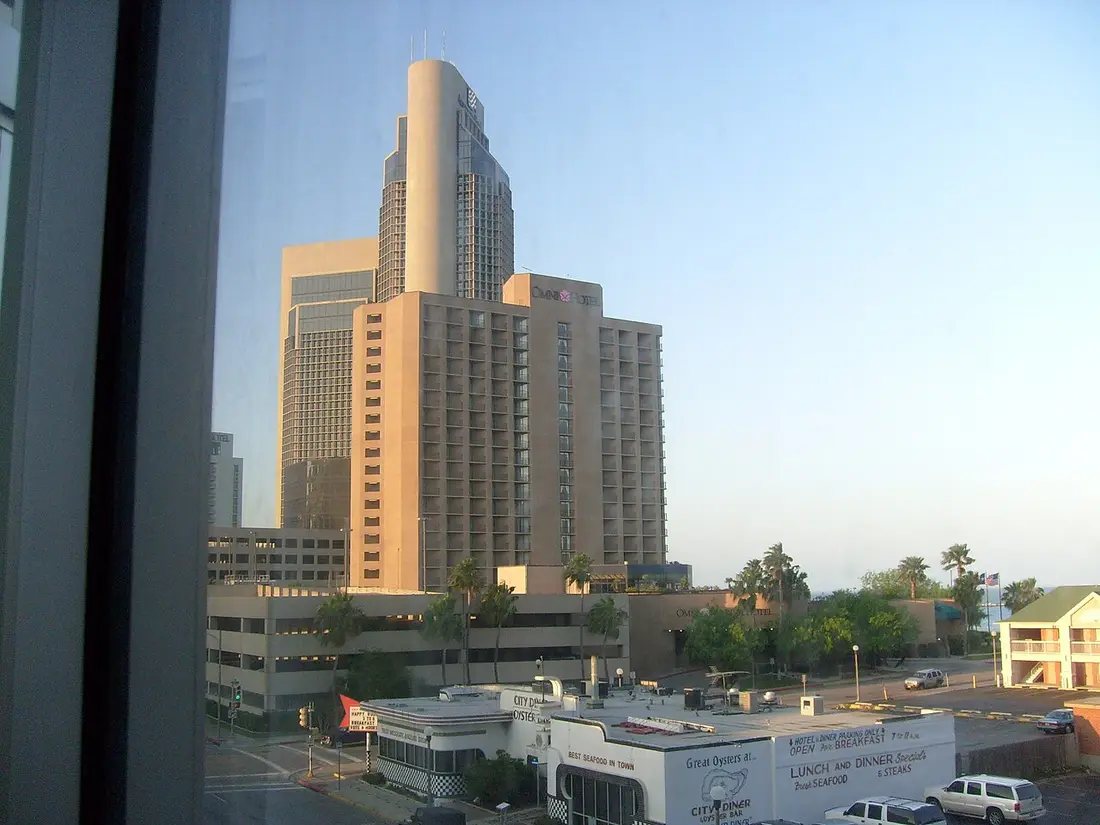 Downtown Corpus Christi
 North Beach
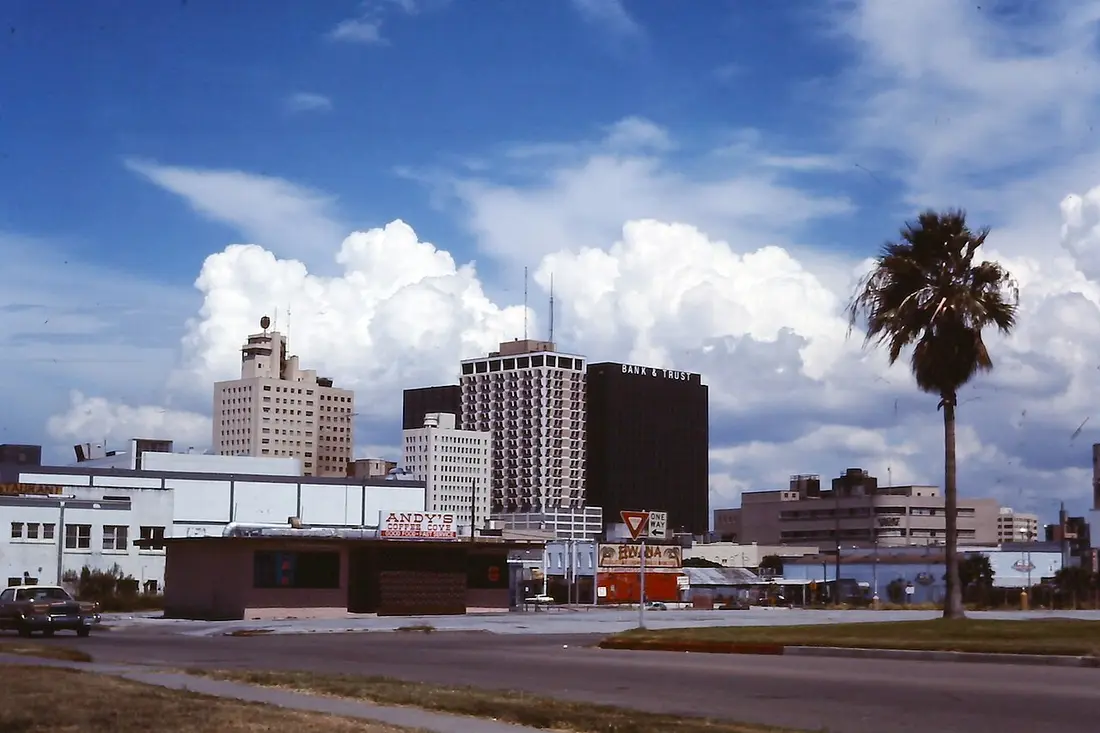 Uptown Corpus Christi
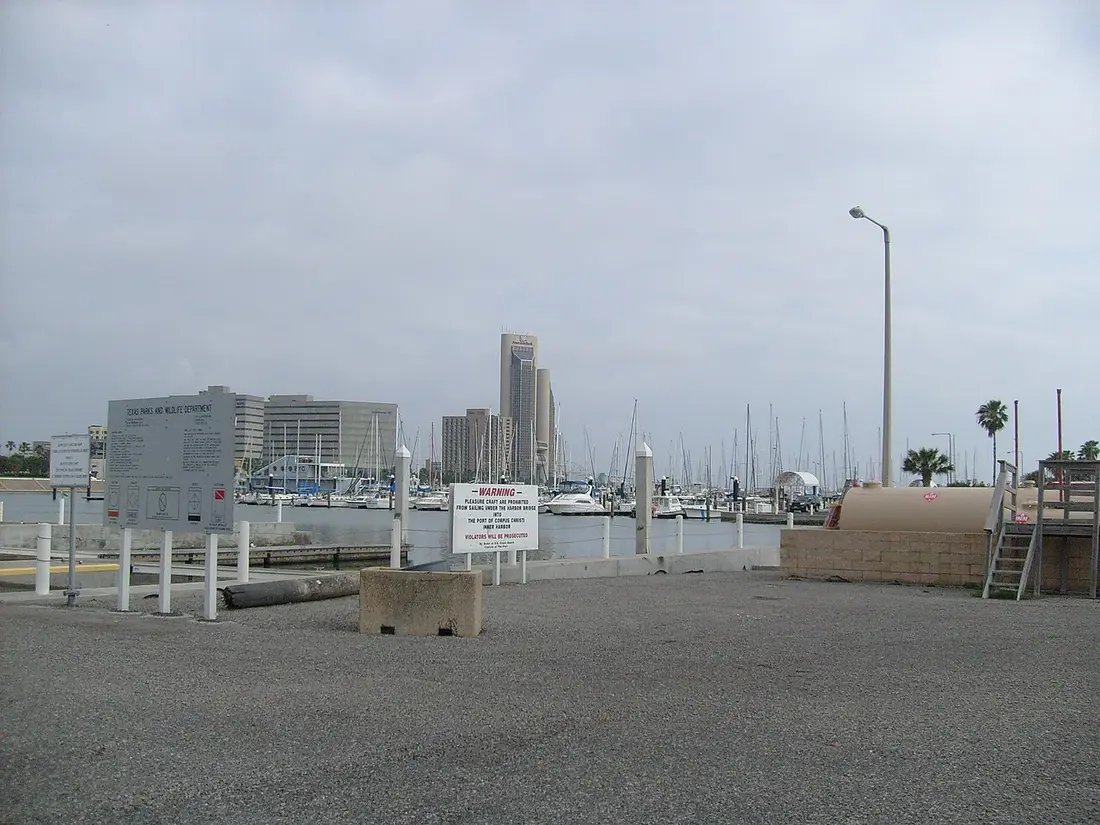 Midtown
 Bayside
 Central Corpus Christi
 Westside
 Bay Area
Cockroach Control runs across the whole service map: the bayfront districts of Downtown Corpus Christi, North Beach, Uptown and Bayside; Midtown, Lamar Park and the Bay Area; the South Side, Saratoga and Kings Crossing corridors; Flour Bluff, Padre Island and Mustang Island; Calallen, Annaville, Tuloso-Midway and the Northwest; and the Coastal Bend communities of Robstown, Gregory, Portland, Ingleside, Aransas Pass, Rockport and Fulton. One call covers all of it - the local pages above carry the detail for each. If your street is not named here, call anyway: routes grow with demand, and most Coastal Bend addresses are already within reach of a scheduled run.
Palmetto bug floods after rain, in drains and at porch lights all summer. Keep the population outside: control the yard harborage, screen the crossings, service the drains.
Read the GuideRain hatches dormant marsh eggs and fills every container in the yard; biting peaks about a week after the storm. Run the 7-day brood plan: tip and toss on a schedule, larvicide what cannot drain, treat the resting foliage.
Read the GuideFormosan colonies run into the millions, nest inside walls, and damage wood far faster than native termites. Inspect for the coastal signatures - carton nests, spring swarms, blistered paint - and treat both the soil and the wall nests.
Read the GuideBy sightings, the American cockroach - the palmetto bug - because it is big, outdoor and everywhere. By damage to quality of life, the German cockroach, the only species that truly infests the indoor structure. Smokybrowns round out the coastal three.
They do not bite, but like all cockroaches they move mechanically between drains, waste and food surfaces, and their droppings and skins feed the allergen load that triggers asthma. Outdoor pressure is managed at the harborage; indoor wanderers are a sealing failure to correct.
Heat speeds every roach clock - breeding, feeding, movement - and summer rain floods outdoor harborage into structures. Populations that were invisible in February are unmissable by August.
No - German cockroaches live their whole lives indoors and arrive by hitchhiking, not by crawling in from the yard. Exterior work matters for palmetto bugs and smokybrowns; German work is interior detail work. A program that confuses the two fails at both.
Yes - 'palmetto bug' is the Gulf Coast name for the American cockroach, the big outdoor species that lives in drains, palms and mulch and wanders indoors. It is a different job from the small German cockroach that breeds in kitchens, which is why the inspection starts with which one you have.
Rain floods their ground and drain harborage, and they move up and in looking for dry shelter - through gaps, weep holes and dry drain traps. A post-rain palmetto surge is a drainage and sealing story as much as a roach story.
A working program runs several visits over weeks to a few months: baiting collapses the breeding population in stages as egg cases hatch into treated harborage. Kitchens that start with sanitation and clutter control finish fastest.
One palmetto wanderer from the garage is usually just one. One German cockroach in daylight is a population announcement - they are nocturnal and shy, and visible ones mean the harborage is crowded. The species decides the urgency.
One call connects you with a pest control professional serving Corpus Christi and the Coastal Bend - inspection, treatment, exclusion and prevention.
📞 Call Now