Wasp Removal in Robstown
Robstown is the Nueces County farm town west of Calallen - the Cotton Picker hometown, an old railroad and cotton-gin center ringed by some of the richest farm land in South Texas.
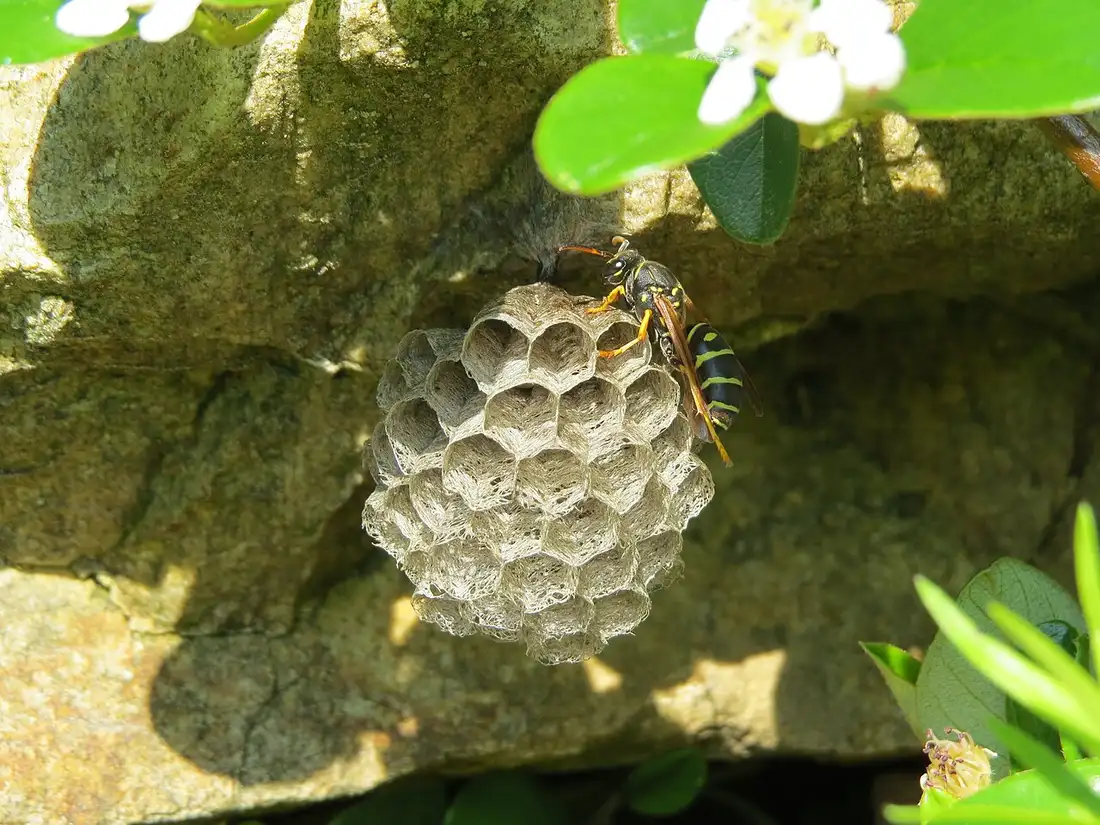
Wasp and hornet removal for Corpus Christi homes - paper wasp umbrellas under the eaves, yellowjacket ground nests, and mud daubers in the corners, handled with the right gear.
Corpus Christi homeowners learn the pattern fast: palmetto bugs after a rain, fire ant mounds the morning after a storm, mosquitoes whenever the wind drops, and roof rats in the palms and oaks all year. Pest control here is not a one-time event; it is a rhythm matched to the Gulf Coast year.
The city itself adds pressure. Corpus Christi is the Nueces County seat and the Coastal Bend's hub, with neighborhoods that range from 1900s blocks near the bayfront to subdivisions still being framed at the brush-country edge - and every era of housing has its own pest profile, from drywood termites in old eaves to field rodents at the construction frontier.
Gray papery umbrellas the size of a coin in spring, a softball by late summer - paper wasps building in the classic spot.
Wasps streaming in and out of a single ground opening, sprinkler box or wall gap signal a yellowjacket colony - the aggressive one.
Parallel mud tubes on siding, in garages and under porches are mud dauber nests - solitary, docile, but worth clearing and checking.
Steady wasp traffic drinking at water features means a nest is close and the colony is defending its route.
Queens favor sheltered utility boxes; colonies there meet every meter reader and gardener at face height.
A sting at a pass point means the nest's defense perimeter and the household's routine now overlap.
Paper wasps build where rain cannot reach and sun warms early: eaves, porch ceilings, fence rails, shutters and the undersides of everything. Queens overwinter in bark, attics and wall voids and found the year's colonies within a few dozen feet of where they slept.
Yellowjackets nest in the ground and in voids - old rodent burrows, sprinkler boxes, hollow walls - and their colonies run to the thousands by late summer with a defensive temper to match. A mower over a ground nest is the classic coastal ER visit.
Mud daubers are the exception that proves the rule: solitary, non-defensive, building mud tubes stocked with paralyzed spiders. They rarely need urgent removal, but their abandoned tubes become housing for other wasps - and their presence maps the spider population they hunt.
Fall keeps the pressure on and adds the hurricane-season tail: late storms drop the year's heaviest rain, flooding pushes rodents, ants and wildlife out of low ground and into structures, and the first cool fronts send roof rats shopping for attic space. Fall is sealing season - the work done before the holidays is the work that holds through winter.
A Corpus Christi winter is a pause, not a reset. A hard freeze is a rare guest, so roaches keep breeding in heated buildings, rodents that got in stay in, and garage black widows stay active. Winter is project season: exclusion, moisture fixes, termite inspections and the prep that sets up spring.
Spring on the Gulf Coast is termite season first: warm nights after rain send subterranean swarmers into the air, fire ant colonies push up fresh mounds, and wasp queens start thumb-sized nests under the eaves. Mosquito season starts with the first standing water. It is the inspection season - the month to find problems while they are small.
A wasp nest is a growing argument. A paper wasp umbrella in May holds a queen and a handful of workers; the same address hosts hundreds by August, with a season's worth of defensive instinct. Yellowjacket ground colonies follow the same curve with a worse temper and a location - in a wall void or under a walkway - that puts the colony on a collision course with daily life. Removal difficulty scales with the calendar, which is why spring's small problem is August's emergency call.
The Corpus Christi setting adds the pool factor. Wasps drink, and in the Gulf heat every pool, fountain and drip line is a wasp bar. Colonies near water features defend the resource and meet swimmers daily. Siting matters in removal planning: a nest that can be treated and left to biodegrade in a quiet eave is one thing; a nest on a pool fence is a same-week job.
Choose on gear and timing: protective equipment, colony-hour scheduling, and a plan for what is inside the void after the colony is gone. Speed matters, but the no-sting record matters more.
There is a reason local professionals talk about this work the way farmers talk about weather: it is a standing condition to be managed, not a problem to be solved once. The bay keeps the humidity up, the winters stay too mild to reset anything, and the marsh, creek and brush edges around every neighborhood keep restocking whatever a single visit removes. A standing service rhythm is not an upsell in that landscape - it is the only shape of help that matches the shape of the pressure.
Corpus Christi sits on the western Gulf of Mexico where the bay meets the brush country, and its climate writes the pest calendar: long, hot, humid summers, winters so mild that most pests never fully stop, and rain that arrives in tropical downpours instead of gentle weeks. Nothing here gets a killing freeze most years, so pest populations build on each other season after season.
Water is the engine, and this city runs on it. Corpus Christi Bay, Oso Creek, the Nueces River, the Laguna Madre and thousands of irrigated lawns keep moisture in every neighborhood, and where there is constant water and constant warmth there are constant pests - mosquitoes off every low spot, roaches in every warm drain, termites in every damp foundation line.
The nest, the species and the colony size decide the method and the timing - paper wasps, yellowjackets and daubers are three different operations.
Treatment and removal happen with protective equipment, at the hour when the colony is home and least active.
Nest material and, for void nests, the colony remains come out or get sealed correctly - leftover nest in a wall attracts scavenger pests for months.
Favorite founding spots get attention - and you get the watch list for spring, when next year's queens come scouting the same eaves.
Nests cannot be banned, but addresses can be made unpopular. A spring walk and a few standing habits keep founding queens shopping elsewhere.
The communities around Corpus Christi share its pest calendar - with their own twists.
Robstown is the Nueces County farm town west of Calallen - the Cotton Picker hometown, an old railroad and cotton-gin center ringed by some of the richest farm land in South Texas.
Gregory is the small San Patricio County town between Portland and Ingleside, sitting above the bay's north shore next to some of the Gulf Coast's biggest industrial plants.
Portland is the fast-growing bayfront city across the harbor from downtown - subdivisions and schools on the bluff above Corpus Christi Bay, with Sunset Lake Park on its shore and wide-open views across the bay.
Ingleside is the San Patricio County bay town under the live oaks - a small-city mix of older neighborhoods, new subdivisions and plant-corridor growth between Portland and Aransas Pass.
Across the bayfront and the north side - Downtown Corpus Christi, North Beach, Uptown Corpus Christi, Midtown, Bayside and Central Corpus Christi, Westside, Bay Area, Lamar Park, South Side - the housing runs from historic bayfront blocks to established family neighborhoods, and wasp removal follows the construction: older wood, mature palms and creek-corridor greenery in the established districts, marsh-edge pressure toward the bay.
The south and west of the city - Saratoga Area, King's Crossing, Southeast Corpus Christi, London Area, Flour Bluff, Padre Island and Mustang Island, Calallen, Annaville, Tuloso-Midway, Northwest Corpus Christi - hold the city's fastest-growing subdivisions, its apartment corridors and the island communities, which together make this the steadiest wasp removal territory in Corpus Christi.
Beyond the city line, the same work runs in Robstown, Gregory, Portland, Ingleside, Aransas Pass, Rockport, Fulton - Coastal Bend communities wrapped in marsh, brush country and working waterfront, where the water and the weather drive pest pressure as much as the housing does. Every one of these area pages carries the local detail for wasp removal in that community.
Every area we serve has its own Wasp Removal page with local detail.
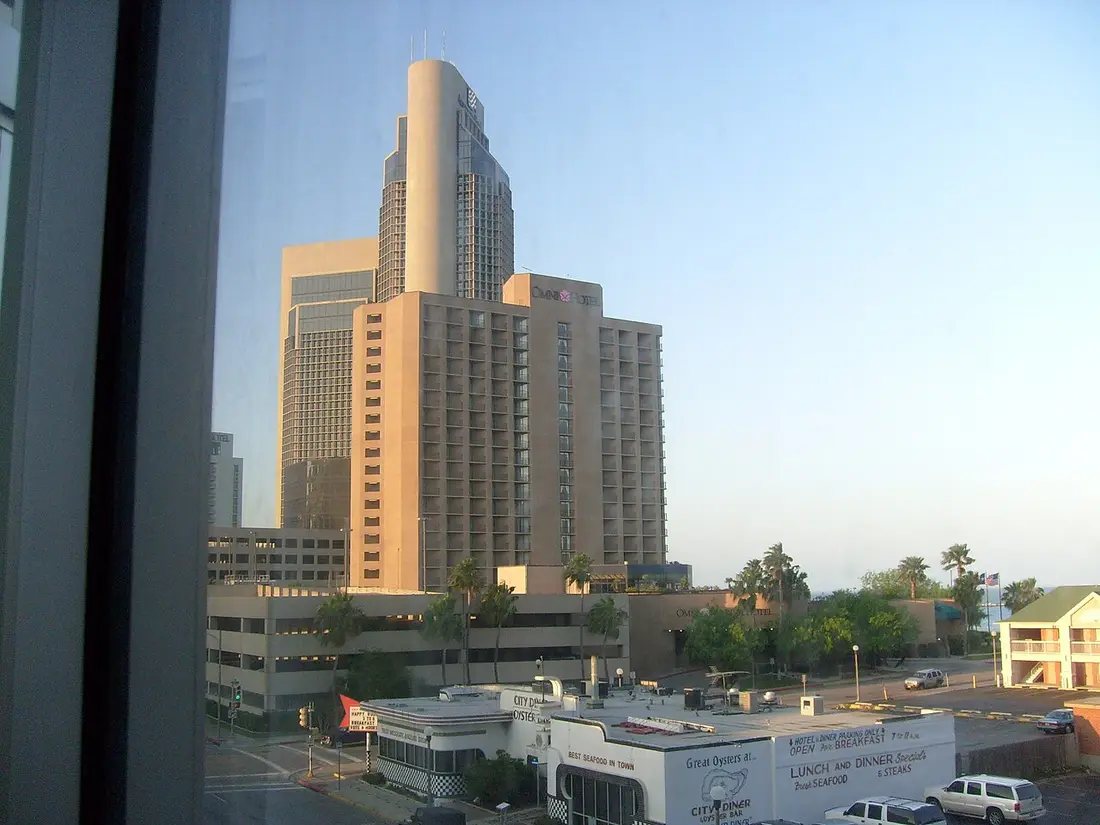 Downtown Corpus Christi
 North Beach
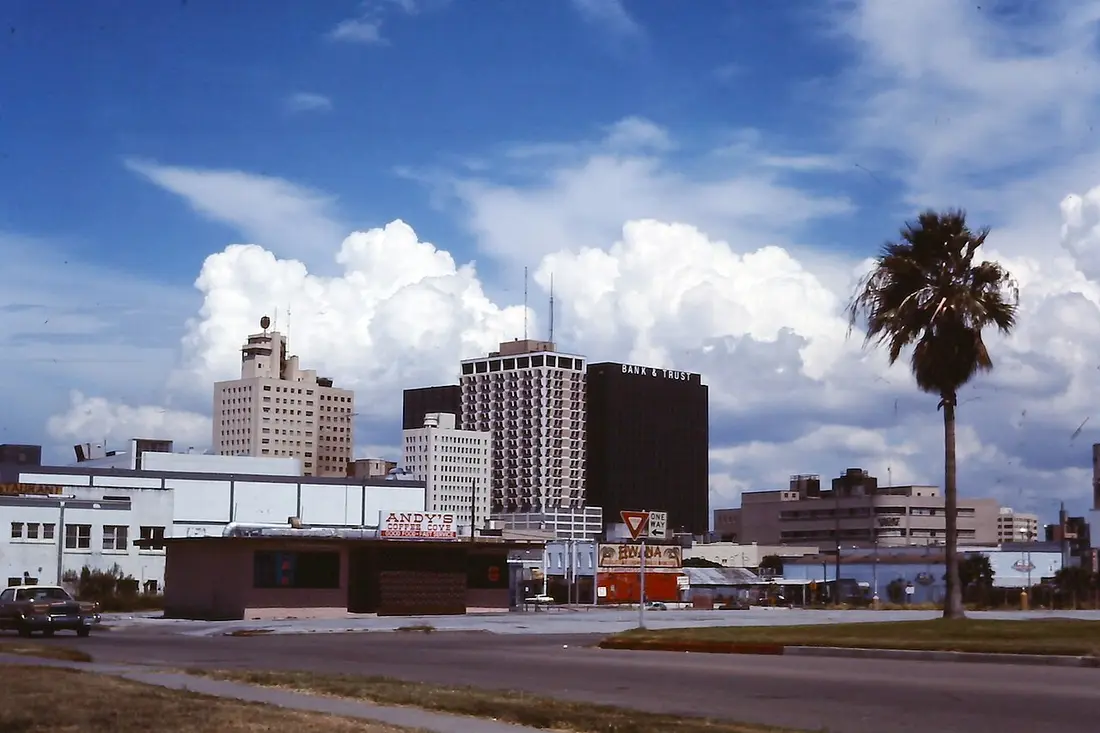 Uptown Corpus Christi
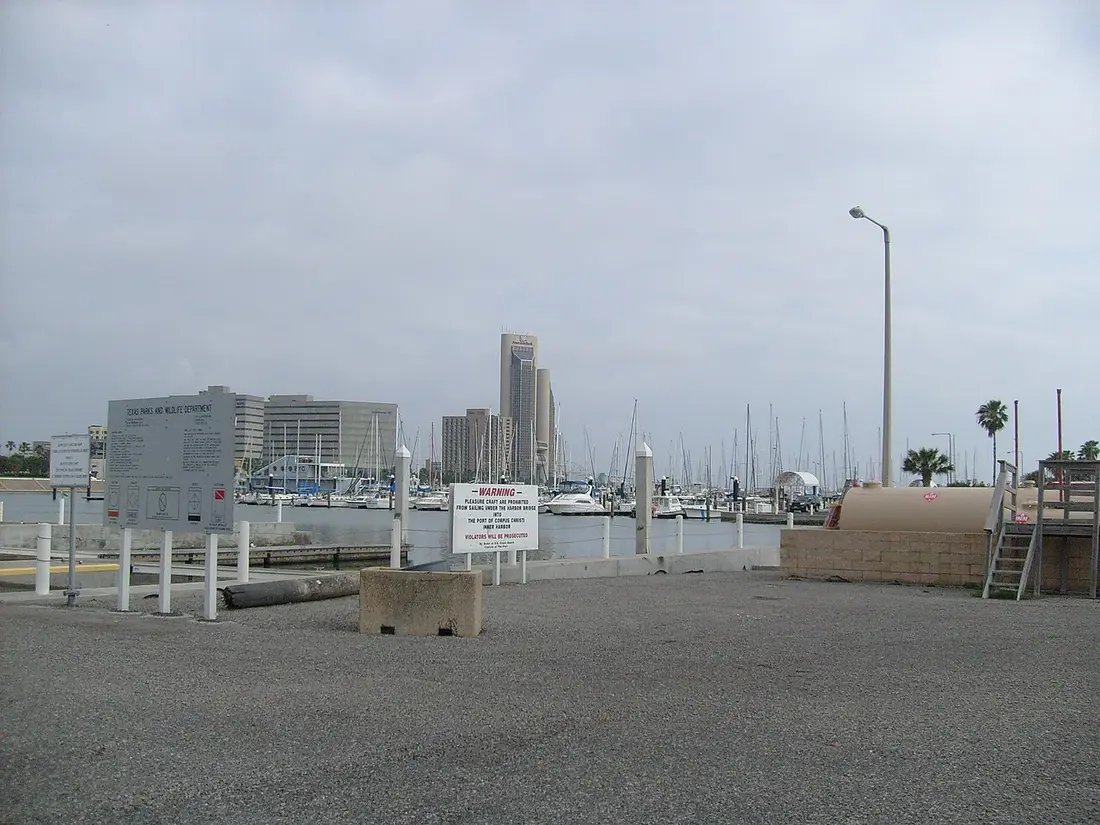 Midtown
 Bayside
 Central Corpus Christi
 Westside
 Bay Area
Wasp Removal runs across the whole service map: the bayfront districts of Downtown Corpus Christi, North Beach, Uptown and Bayside; Midtown, Lamar Park and the Bay Area; the South Side, Saratoga and Kings Crossing corridors; Flour Bluff, Padre Island and Mustang Island; Calallen, Annaville, Tuloso-Midway and the Northwest; and the Coastal Bend communities of Robstown, Gregory, Portland, Ingleside, Aransas Pass, Rockport and Fulton. One call covers all of it - the local pages above carry the detail for each. If your street is not named here, call anyway: routes grow with demand, and most Coastal Bend addresses are already within reach of a scheduled run.
Fire ant mounds are the chimneys of colonies that run deep and wide; surface kills leave the queens untouched. Bait the colony on its foraging schedule, treat satellite mounds directly, and hold the yard rhythm all warm season.
Read the GuideFormosan colonies run into the millions, nest inside walls, and damage wood far faster than native termites. Inspect for the coastal signatures - carton nests, spring swarms, blistered paint - and treat both the soil and the wall nests.
Read the GuideTreatment fails on preparation, not chemistry - the prep list is the program's first and most important visit. Declutter the treatment zone, hot-launder the textiles, encase the mattresses, and change nothing until the plan says so.
Read the GuidePaper wasps at the eaves, yellowjackets in the ground and voids, and mud daubers on the walls - in that order of complaint volume. Carpenter bees drilling the fascia and cicada killers in the lawn round out the stinging cast.
A treated colony does not return; new queens found new colonies, sometimes at the same address. The removal visit covers the existing colony; the spring starter-nest walk covers next year's.
They drink, they hunt insects at the water, and colonies near water features defend the route. A nest within a few dozen feet is the usual cause; find it and the pool traffic drops with the colony.
It should not be. A dead or dying void colony becomes a reservoir of scavenger pests - carpet beetles, flies and roaches feed on the remains - and a live one eventually chews or pushes through. Void nests are removed or neutralized and sealed, properly.
The week you notice it. Colonies grow all season and their defensive perimeter grows with them; a May umbrella is a five-minute job and an August colony at the same address is an operation. Nests at doors, pools and play areas jump the queue regardless of size.
Paper wasps sting when their nest is threatened and mostly ignore people otherwise; yellowjackets are the genuinely aggressive species, especially near food and ground nests. Anyone with a sting allergy in the household raises the urgency of any nest near living space.
Mud daubers are solitary and famously reluctant to sting. Their tubes are mostly a housekeeping item - clear them, seal the corners, and note that a yard full of daubers is a yard with plenty of spiders, which is its own data point.
Queens scout familiar sheltered sites, so yes, the same eave can host a new founding next spring. A spring walk that removes starter nests early is the simplest wasp program there is.
One call connects you with a pest control professional serving Corpus Christi and the Coastal Bend - inspection, treatment, exclusion and prevention.
📞 Call Now