Ant Control in Robstown
Robstown is the Nueces County farm town west of Calallen - the Cotton Picker hometown, an old railroad and cotton-gin center ringed by some of the richest farm land in South Texas.
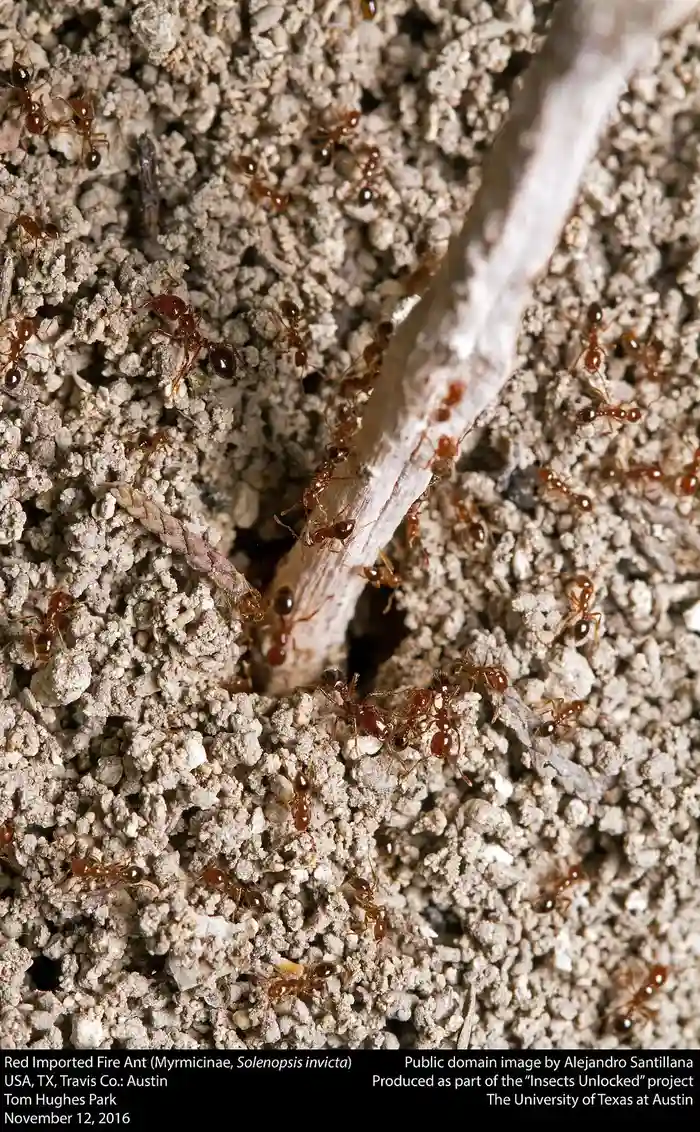
Ant control for Corpus Christi homes and yards - fire ant mounds after every rain, crazy ants in the landscaping, pharaoh ants in the walls, and carpenter ants in wet wood.
Corpus Christi homeowners learn the pattern fast: palmetto bugs after a rain, fire ant mounds the morning after a storm, mosquitoes whenever the wind drops, and roof rats in the palms and oaks all year. Pest control here is not a one-time event; it is a rhythm matched to the Gulf Coast year.
The city itself adds pressure. Corpus Christi is the Nueces County seat and the Coastal Bend's hub, with neighborhoods that range from 1900s blocks near the bayfront to subdivisions still being framed at the brush-country edge - and every era of housing has its own pest profile, from drywood termites in old eaves to field rodents at the construction frontier.
Fluffy new mounds in the lawn a day after rain are fire ant colonies relocating and expanding - the classic coastal morning-after.
Ant trails that re-form within days of spraying suggest a colony network - or crazy ants, whose numbers overwhelm trail-level efforts.
Tiny pale ants trailing from outlets and plumbing are often pharaoh ants, which nest inside structures and split when sprayed.
Coarse frass piles and faint rustling in wet or damaged wood point to carpenter ants excavating galleries.
Crazy ants and fire ants both invade AC units, well pumps and meter boxes, where their numbers short equipment - a genuine coastal hazard.
Painful stings with white pustules after stepping in grass settle the identification: fire ants, defending a mound you did not see.
Red imported fire ants are the yard's owners: colonies in open sunny soil, foraging tunnels running dozens of feet, and queens that restart the mound network after every partial kill. Rain floats colonies into rafts and redeposits them across the neighborhood - your yard gets re-seeded by the weather.
Tawny crazy ants are the coast's rising problem: enormous, multi-queen populations that blanket landscaping, mulch and leaf litter, trail in chaotic sheets rather than lines, and famously pile into electrical equipment. They do not sting; they overwhelm - and they displace fire ants where they establish.
Inside the structure, pharaoh ants nest in wall voids near warmth and water and bud into new colonies when hit with repellent sprays, while carpenter ants excavate the wet wood that Gulf humidity and plumbing leaks provide. The indoor species are baiting problems; the outdoor species are colony problems.
A Corpus Christi winter is a pause, not a reset. A hard freeze is a rare guest, so roaches keep breeding in heated buildings, rodents that got in stay in, and garage black widows stay active. Winter is project season: exclusion, moisture fixes, termite inspections and the prep that sets up spring.
Fall keeps the pressure on and adds the hurricane-season tail: late storms drop the year's heaviest rain, flooding pushes rodents, ants and wildlife out of low ground and into structures, and the first cool fronts send roof rats shopping for attic space. Fall is sealing season - the work done before the holidays is the work that holds through winter.
Summer is peak pest season on the Coastal Bend. Salt-marsh mosquitoes hatch by the millions after high tides and rains, palmetto bugs ride the drains into ground floors, German roaches breed at top speed in hot kitchens, and fire ants forage around the clock. Exterior service in summer is what holds the line.
Ant control fails in Corpus Christi for one reason above all: people treat the visible ten percent. The trail in the kitchen is a commute, not a colony, and killing commuters with contact spray mostly teaches the colony to split, reroute and re-enter somewhere less visible. Pharaoh ants bud, fire ant colonies relocate queens deeper, and crazy ant numbers simply absorb the loss - which is why colony-level work outperforms barrier killing for the coastal roster.
The second failure is fighting the calendar. Yard colonies in July are at peak population and peak thirst, drinking from your irrigation; indoor trails are their overflow. Homes that combine colony treatment outdoors with water discipline - the leaks fixed, the pet water moved, the bridges cut - find the indoor problem solves itself as a side effect. Corpus Christi ant control is won outside, in the wet places, weeks before it looks won inside.
Choose on identification. A service that names the species before quoting - and changes its chemistry when the species changes - understands coastal ants. One price for 'ants' is a guess wearing a uniform.
There is a reason local professionals talk about this work the way farmers talk about weather: it is a standing condition to be managed, not a problem to be solved once. The bay keeps the humidity up, the winters stay too mild to reset anything, and the marsh, creek and brush edges around every neighborhood keep restocking whatever a single visit removes. A standing service rhythm is not an upsell in that landscape - it is the only shape of help that matches the shape of the pressure.
Corpus Christi sits on the western Gulf of Mexico where the bay meets the brush country, and its climate writes the pest calendar: long, hot, humid summers, winters so mild that most pests never fully stop, and rain that arrives in tropical downpours instead of gentle weeks. Nothing here gets a killing freeze most years, so pest populations build on each other season after season.
Water is the engine, and this city runs on it. Corpus Christi Bay, Oso Creek, the Nueces River, the Laguna Madre and thousands of irrigated lawns keep moisture in every neighborhood, and where there is constant water and constant warmth there are constant pests - mosquitoes off every low spot, roaches in every warm drain, termites in every damp foundation line.
Fire ant, crazy ant, pharaoh or carpenter - the species decides the chemistry, the placement and the timeline, so identification comes first.
Outdoor work goes to the mounds and the network - broadcast and mound-level treatment matched to the species and the season.
Indoor species get non-repellent baiting along their routes, so workers carry the active ingredient back to the queens instead of scattering.
Landscaping pulled off the walls, leaks fixed, food sealed - and a yard rhythm set for the season, because coastal ant pressure never fully stops.
Ant prevention on the coast is border management: what crosses the foundation line, what feeds at it, and what bridges over it. These habits hold the border between treatments.
The communities around Corpus Christi share its pest calendar - with their own twists.
Robstown is the Nueces County farm town west of Calallen - the Cotton Picker hometown, an old railroad and cotton-gin center ringed by some of the richest farm land in South Texas.
Gregory is the small San Patricio County town between Portland and Ingleside, sitting above the bay's north shore next to some of the Gulf Coast's biggest industrial plants.
Portland is the fast-growing bayfront city across the harbor from downtown - subdivisions and schools on the bluff above Corpus Christi Bay, with Sunset Lake Park on its shore and wide-open views across the bay.
Ingleside is the San Patricio County bay town under the live oaks - a small-city mix of older neighborhoods, new subdivisions and plant-corridor growth between Portland and Aransas Pass.
Across the bayfront and the north side - Downtown Corpus Christi, North Beach, Uptown Corpus Christi, Midtown, Bayside and Central Corpus Christi, Westside, Bay Area, Lamar Park, South Side - the housing runs from historic bayfront blocks to established family neighborhoods, and ant control follows the construction: older wood, mature palms and creek-corridor greenery in the established districts, marsh-edge pressure toward the bay.
The south and west of the city - Saratoga Area, King's Crossing, Southeast Corpus Christi, London Area, Flour Bluff, Padre Island and Mustang Island, Calallen, Annaville, Tuloso-Midway, Northwest Corpus Christi - hold the city's fastest-growing subdivisions, its apartment corridors and the island communities, which together make this the steadiest ant control territory in Corpus Christi.
Beyond the city line, the same work runs in Robstown, Gregory, Portland, Ingleside, Aransas Pass, Rockport, Fulton - Coastal Bend communities wrapped in marsh, brush country and working waterfront, where the water and the weather drive pest pressure as much as the housing does. Every one of these area pages carries the local detail for ant control in that community.
Every area we serve has its own Ant Control page with local detail.
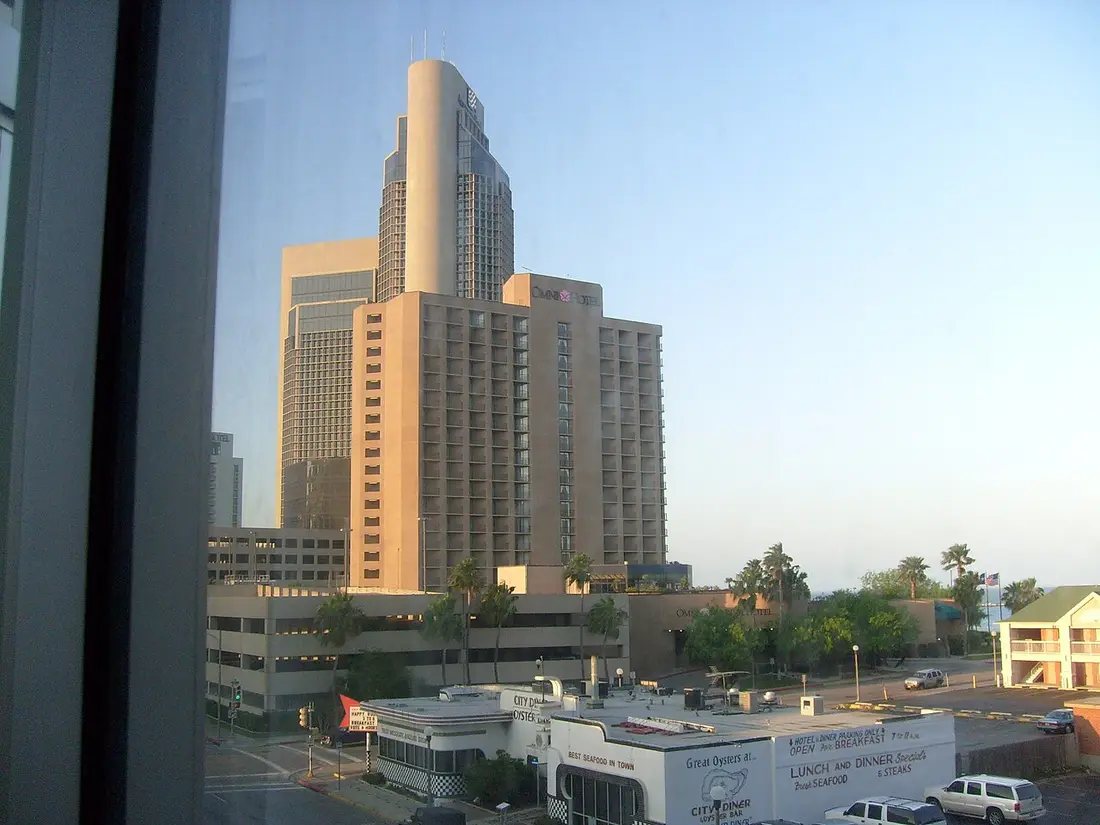 Downtown Corpus Christi
 North Beach
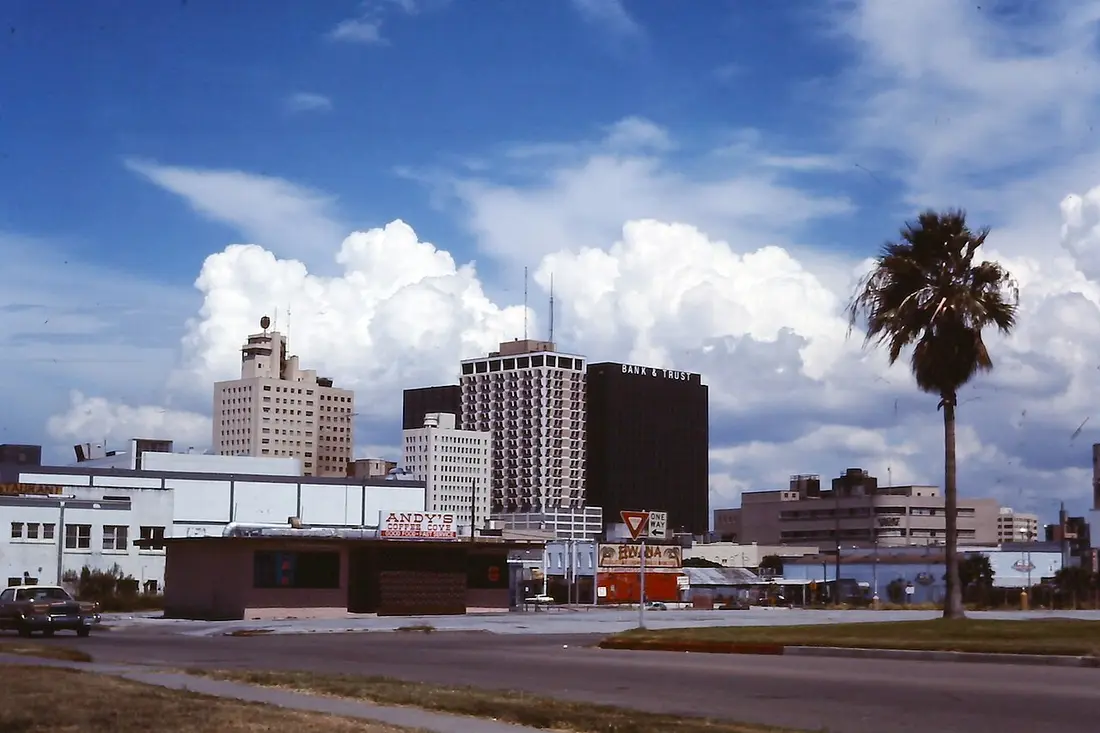 Uptown Corpus Christi
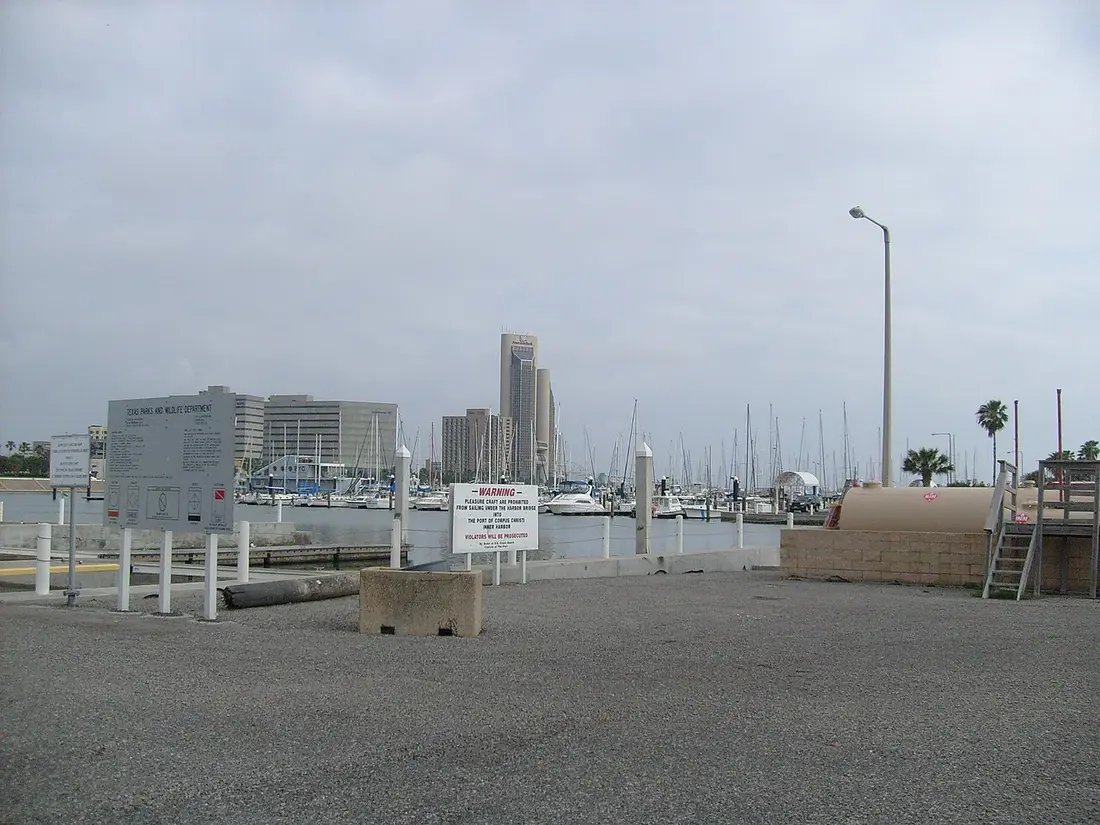 Midtown
 Bayside
 Central Corpus Christi
 Westside
 Bay Area
Ant Control runs across the whole service map: the bayfront districts of Downtown Corpus Christi, North Beach, Uptown and Bayside; Midtown, Lamar Park and the Bay Area; the South Side, Saratoga and Kings Crossing corridors; Flour Bluff, Padre Island and Mustang Island; Calallen, Annaville, Tuloso-Midway and the Northwest; and the Coastal Bend communities of Robstown, Gregory, Portland, Ingleside, Aransas Pass, Rockport and Fulton. One call covers all of it - the local pages above carry the detail for each. If your street is not named here, call anyway: routes grow with demand, and most Coastal Bend addresses are already within reach of a scheduled run.
Fire ant mounds are the chimneys of colonies that run deep and wide; surface kills leave the queens untouched. Bait the colony on its foraging schedule, treat satellite mounds directly, and hold the yard rhythm all warm season.
Read the GuidePalmetto bug floods after rain, in drains and at porch lights all summer. Keep the population outside: control the yard harborage, screen the crossings, service the drains.
Read the GuideFormosan colonies run into the millions, nest inside walls, and damage wood far faster than native termites. Inspect for the coastal signatures - carton nests, spring swarms, blistered paint - and treat both the soil and the wall nests.
Read the GuideBy yard, the red imported fire ant; by kitchen complaint, a rotating cast led by pharaoh ants indoors and crazy ants at the foundation. All three are effectively year-round in this climate.
Colonies are active whenever soil is warm - roughly March through November - with mound-building surges after spring and fall rains. Fall is prime treatment season: colonies forage actively and take bait deep before winter.
Where tawny crazy ants establish in large numbers, they push fire ants out of that patch of ground - an even trade nobody asked for. Their populations are denser and their control is a longer program, which is why early identification matters.
Indoor trails are usually the visible tip of an outdoor network. Lasting indoor relief almost always includes exterior work - the colonies, the bridges and the water - or the trails simply re-form at the next penetration.
Because the yard is an open system: rain floats in new colonies, queens fly in on mating swarms, and a missed satellite mound reseeds the lawn. A seasonal yard rhythm - not a single treatment - is what keeps mound counts near zero.
Fire ants mound in open sun and sting fiercely when disturbed. Crazy ants blanket mulch and landscaping in fast, chaotic sheets, do not sting, and pile into electrical boxes. The control programs differ, so the inspection identifies first.
If they are pharaoh ants, repellent spray is the known trigger for budding - the colony splits into several new nests in new walls. Indoor ant work on this coast is baiting work for exactly that reason.
Yes - crazy ants and fire ants both accumulate in AC contactors, pump switches and meter boxes in numbers large enough to short them. Coastal HVAC companies know the failure well. Sealed boxes and treated equipment pads are part of ant control here.
One call connects you with a pest control professional serving Corpus Christi and the Coastal Bend - inspection, treatment, exclusion and prevention.
📞 Call Now